Categories
Cricket News

top 10 richest cricket board

Cricket has evolved into more than just a sport—it’s now a billion-dollar industry. From high-profile leagues to global tournaments, cricket boards play a crucial role in shaping the game’s financial and cultural future. The world’s richest cricket boards don’t just manage national teams; they control massive sponsorships, TV rights, merchandise, and tournaments that generate enormous revenue every year. In this article, we’ll explore the top 10 richest cricket board and discover how they became financial powerhouses.

top 10 richest cricket board

1. Board of Control for Cricket in India (BCCI)

There’s no surprise here—the BCCI stands tall as the richest cricket board in the world. With an estimated net worth exceeding $2.25 billion, India’s cricket board dominates global cricket economics. The BCCI’s wealth comes from broadcasting rights, the Indian Premier League (IPL), sponsorships, and massive fan support. The IPL alone contributes hundreds of millions annually, attracting the biggest players and global brands.

Moreover, Indian cricket’s immense fan base makes every match a commercial success. Companies like Paytm, Dream11, and Byju’s invest heavily in Indian cricket sponsorships. BCCI’s financial power also gives it significant influence in the International Cricket Council (ICC).

top 10 richest cricket board

top 10 richest cricket board

2. England and Wales Cricket Board (ECB)

The ECB is the second-richest cricket board, with a net worth estimated around $500 million. England’s board has benefited from both its cricketing legacy and the popularity of tournaments like The Hundred and Vitality Blast. These leagues attract sponsors and boost revenue through ticket sales and TV rights.

Additionally, England’s central contracts, broadcasting partnerships with Sky Sports, and endorsement deals ensure a steady flow of income. With the growing global interest in English cricket, especially after their recent World Cup wins, the ECB continues to strengthen its financial position.
top 10 richest cricket board

3. Cricket Australia (CA)

Cricket Australia ranks third, boasting a net worth of approximately $450 million. The board’s success largely depends on the Big Bash League (BBL), broadcasting agreements, and sponsorships. The BBL has transformed Australian cricket into a family-friendly entertainment brand, attracting millions of fans worldwide.

Moreover, Cricket Australia enjoys significant revenue from Ashes series against England, one of the most-watched cricket events globally. Their long-term partnerships with Fox Sports and KFC continue to keep the cash flow strong.

 Cricket Australia (CA)

4. Pakistan Cricket Board (PCB)

The Pakistan Cricket Board (PCB) has seen tremendous growth in the past decade. With a net worth of around $150 million, PCB’s revival is largely credited to the success of the Pakistan Super League (PSL). The PSL brought international cricket back to Pakistan and boosted the board’s sponsorship and broadcasting income.

Partnerships with brands like HBL, Pepsi, and Easypaisa have further strengthened the PCB’s financial structure. Additionally, with Pakistan hosting more home series, ticket sales and fan engagement are on the rise.

Pakistan Cricket Board (PCB)

top 10 richest cricket board

5. Bangladesh Cricket Board (BCB)

The BCB has grown rapidly, now ranking fifth with an estimated net worth of $120 million. The rise of the Bangladesh Premier League (BPL) and consistent international performances have increased cricket’s popularity in the country.

The board earns significant revenue through broadcasting rights, government support, and global sponsorship deals. Bangladesh’s passionate fan base and packed stadiums make every home match a profitable event.
Bangladesh Cricket Board (BCB)

6. Cricket South Africa (CSA)

Despite facing financial challenges in recent years, Cricket South Africa remains among the richest boards, with an estimated worth of $100 million. The SA20 League has provided a major boost, attracting investors and global stars.

CSA’s partnerships with Supersport and various sponsors have stabilized the board’s finances. Furthermore, South Africa’s strong domestic structure and international matches ensure continuous revenue generation.

 Cricket South Africa (CSA)

top 10 richest cricket board

7. Sri Lanka Cricket (SLC)

Sri Lanka Cricket holds the seventh position, with a net worth of around $85 million. The board has faced ups and downs, but the rise of tournaments like the Lanka Premier League (LPL) has revived its financial status.

Sponsorship deals with Dialog and other major brands, combined with ICC revenue shares, help sustain the board. Sri Lanka’s historic cricketing culture and loyal fan base keep their financial wheel turning.
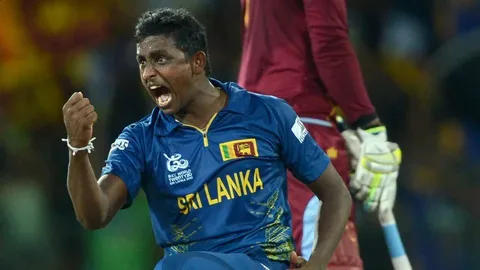
Sri Lanka Cricket (SLC)

8. New Zealand Cricket (NZC)

New Zealand Cricket (NZC), valued at approximately $75 million, runs efficiently despite being a smaller market compared to India or England. Their smart management and strong global image have attracted sponsors like ANZ and Gillette.

The board earns most of its income from ICC tournaments, bilateral series, and broadcasting rights. The New Zealand domestic T20 league and high-performing national team further enhance its commercial value.

 New Zealand Cricket (NZC)

top 10 richest cricket board

9. West Indies Cricket Board (CWI)

Cricket West Indies (CWI) ranks ninth, with an estimated worth of $65 million. Once a cricketing superpower, the West Indies still hold a strong global brand due to their legacy and entertaining style.

The Caribbean Premier League (CPL) plays a vital role in generating income. Sponsorships from Hero MotoCorp and broadcasting deals with ESPN help maintain the board’s finances. However, limited local resources and management issues have restricted their potential growth.
 West Indies Cricket Board (CWI)

10. Zimbabwe Cricket (ZC)

Rounding off the list, Zimbabwe Cricket (ZC) has a net worth of around $50 million. Although not as wealthy as others, ZC has made progress through partnerships with ICC and domestic sponsors. The Zimbabwe Premier League and returning international tours have helped improve their earnings and cricket infrastructure.

Despite financial hurdles, Zimbabwe continues to develop young talent and push for a stronger international presence.

 Zimbabwe Cricket (ZC)

top 10 richest cricket board

Global Cricket Economy – A Billion-Dollar Game

The financial growth of cricket boards mirrors the sport’s rising global influence. With franchise leagues like IPL, BBL, PSL, and SA20 expanding, the flow of money in cricket has reached unprecedented heights. Sponsorships, digital rights, and streaming platforms are reshaping how cricket boards earn and engage with fans.

Interestingly, smaller boards are now learning from BCCI’s business model—mixing entertainment with sport. The power of fan engagement, strategic marketing, and innovative tournaments has turned cricket into a 21st-century goldmine.


top 10 richest cricket board

Future of Cricket Finances

The future looks even brighter for the world’s richest cricket boards. As digital streaming platforms like Hotstar, Amazon Prime, and YouTube invest heavily in sports broadcasting, cricket boards stand to earn record-breaking profits. New T20 leagues in the USA and Middle East also show that cricket’s financial empire is expanding beyond traditional markets.

Moreover, sustainability programs, women’s cricket, and technology-based fan experiences are expected to bring fresh revenue streams.


Conclusion

The Top 10 Richest Cricket Boards in the World not only dominate financially but also shape cricket’s global direction. From BCCI’s billion-dollar empire to emerging boards like Bangladesh and Zimbabwe, each contributes uniquely to cricket’s global charm.

As the game continues to evolve, money will remain a vital force—but the true spirit of cricket lies in passion, sportsmanship, and the love millions share for this timeless sport.
Categories
Cricket News

Largest Stadium in the World for Cricket

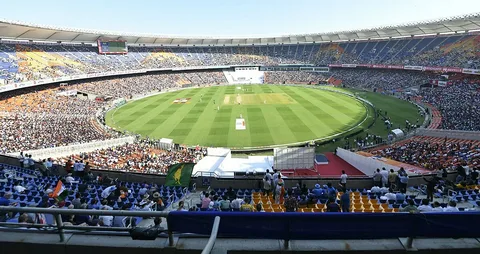
Cricket is not just a sport—it’s an emotion that connects billions of people across the world. From the dusty streets of small towns to the roaring stands of international arenas, cricket is celebrated like a festival. Over the years, the game has evolved not only in terms of players and formats but also in its infrastructure. Today, some stadiums stand as architectural wonders that reflect the sport’s growing popularity. Among all these magnificent venues, one stands taller than the rest — the largest stadium in the world for cricket, the Narendra Modi Stadium in Ahmedabad, India.

In this article, we’ll explore everything about this giant sporting arena — its history, design, capacity, facilities, and the unforgettable matches that have taken place here. So, let’s dive into the world of the largest cricket stadium ever built.

Largest Stadium in the World for Cricket

A Historical Glimpse: How It All Began

The story of the Narendra Modi Stadium began decades ago. Originally known as the Sardar Patel Stadium, it was built in 1982 in the Motera area of Ahmedabad, Gujarat. The original venue could host around 49,000 spectators, which was impressive at that time. However, as cricket’s popularity exploded in India, the need for a larger and more modern stadium became obvious.

In 2015, the Gujarat Cricket Association decided to rebuild the entire stadium from the ground up. The vision was clear — to create the largest and most advanced cricket stadium in the world. After several years of construction, the new stadium was inaugurated in 2020 and was renamed the Narendra Modi Stadium in honor of India’s Prime Minister.


Largest Stadium in the World for Cricket

World Record Capacity

The Narendra Modi Stadium holds an astonishing 132,000 seats, officially making it the largest cricket stadium in the world. This capacity not only surpasses the iconic Melbourne Cricket Ground (MCG) in Australia, which holds around 100,000, but also places it among the biggest sports arenas globally.

The massive capacity allows the venue to host not just cricket matches, but also major cultural and political events. The stadium has hosted large-scale events such as “Namaste Trump” and several national ceremonies, proving its versatility beyond sports.


Architectural Brilliance and Modern Design

The design of the stadium is a true blend of innovation and functionality. The entire structure covers 63 acres of land and cost over ₹800 crore (around USD 100 million) to build. Designed by Populous, the same architectural firm that created Wembley Stadium in London and the MCG, the Narendra Modi Stadium represents a new era of cricket infrastructure.

Here are some of its standout design features:

  • Four Team Dressing Rooms: The stadium can host back-to-back matches without delay, thanks to its four dressing rooms — a feature no other stadium in the world has.
  • 360-Degree LED Lights: Instead of traditional floodlight towers, the stadium uses ring-shaped LED lighting on the roof, providing perfect illumination without casting player shadows.
  • 76 Corporate Boxes: It offers luxury viewing experiences for corporate guests with state-of-the-art amenities.
  • Indoor Practice Facilities: The venue has a cricket academy, indoor nets, and practice pitches for both fast bowlers and spinners.
  • Earthquake-Resistant Design: Safety and sustainability were major priorities during construction.

This stadium is more than just a sports arena; it’s a technological masterpiece designed to enhance both player performance and fan experience.


Largest Stadium in the World for Cricket

Unmatched Facilities for Players and Fans

The Narendra Modi Stadium is designed to provide a complete experience for everyone involved. For players, it offers world-class dressing rooms, recovery areas, and training zones equipped with modern fitness technology. The ground itself uses a special type of soil imported from Australia to ensure consistent bounce and pace.

For fans, the experience is equally exceptional. With 132,000 seats, every viewer gets a clear line of sight from any point in the stadium. The seating is divided into multiple tiers, with wide walkways and easy access to food stalls, restrooms, and emergency exits. The entire stadium is equipped with Wi-Fi, LED screens, and eco-friendly facilities such as rainwater harvesting and solar panels.


Memorable Matches and Iconic Moments

Since its reopening in February 2020, the Narendra Modi Stadium has already hosted several historic matches. One of the earliest and most memorable was the India vs England Pink Ball Test Match in 2021. The breathtaking atmosphere, under pink lights and a sea of fans, showed the world what this venue was capable of.

It has also hosted major IPL (Indian Premier League) finals, including those featuring the local franchise, the Gujarat Titans. The 2023 ICC ODI World Cup Final between India and Australia was another milestone, attracting over 100,000 fans — the largest crowd in cricket history.

Every match played here becomes a spectacle, not just because of the cricketing action, but because of the energy, sound, and visuals that this stadium creates.


Largest Stadium in the World for Cricket

Comparing with Other Major Stadiums

While the Narendra Modi Stadium reigns supreme, several other venues around the world also stand out for their size and beauty. Let’s take a quick look:

RankStadiumLocationCapacity
1Narendra Modi StadiumAhmedabad, India132,000
2Melbourne Cricket Ground (MCG)Melbourne, Australia100,024
3Eden GardensKolkata, India68,000
4Shaheed Veer Narayan Singh StadiumRaipur, India65,000
5Perth StadiumPerth, Australia60,000

Clearly, India dominates this list, reflecting its unmatched passion for cricket. The country continues to invest in infrastructure that not only supports international cricket but also provides a platform for domestic and youth tournaments.


A Symbol of India’s Cricketing Legacy

The Narendra Modi Stadium is more than just a large venue; it’s a symbol of India’s cricketing power and love for the game. Cricket in India is not limited to the professional field—it’s a way of life. The stadium’s grandeur mirrors the enthusiasm of its fans and the country’s growing influence in global sports.

Moreover, hosting matches in such a massive arena gives young players the motivation to perform at their best. The roar of over a hundred thousand fans can inspire anyone to rise above their limits.


Largest Stadium in the World for Cricket

Future Prospects

Looking ahead, the Narendra Modi Stadium is set to host more ICC tournaments, including Test championships, World Cup matches, and IPL finals. With its advanced infrastructure, it is also expected to become a preferred venue for international exhibitions and even non-cricketing events.

Plans are in place to enhance the nearby facilities too, including hotels, training academies, and entertainment zones, turning Motera into a global sports hub.


Why It Stands Out Among All

The reason this stadium is so special isn’t just its capacity or design—it’s what it represents. It shows how far cricket has come from its colonial roots to becoming a global sport celebrated in style. The Narendra Modi Stadium stands as a testament to progress, unity, and passion. It demonstrates that cricket is more than bat and ball; it’s an experience shared by millions.

From the cheering crowds to the breathtaking night matches, this stadium captures everything cricket lovers dream of. It’s a place where memories are created, records are broken, and history is written.


Largest Stadium in the World for Cricket

Conclusion

The largest stadium in the world for cricket, the Narendra Modi Stadium, is a modern marvel that symbolizes cricket’s evolution and India’s unmatched love for the game. With its world-class facilities, record-breaking capacity, and rich atmosphere, it has become the heartbeat of global cricket.

Every boundary hit, every wicket taken, and every roar of the crowd inside this stadium adds another chapter to cricket’s glorious history. Whether you’re a player or a fan, visiting this grand arena is like stepping into the heart of cricket itself.

Categories
Cricket News

fastest 50 wickets in odi cricket

Cricket has always been a game of patience, strategy, and skill, but in One Day Internationals (ODIs), speed often separates the great from the good. When it comes to bowlers, taking wickets quickly can turn the course of a match and define a player’s legacy. The record for the fastest 50 wickets in ODI cricket stands as a symbol of domination and consistency. In this article, we’ll explore the bowlers who achieved this rare feat, their journey, and what made their bowling performances unforgettable.


Understanding the Importance of Quick Wickets

In ODI cricket, each team has only 50 overs to showcase their game. Unlike Test cricket, where bowlers have more time to set up batters, ODI bowlers must strike early and maintain control under pressure. Taking 50 wickets in record time means the bowler consistently delivered breakthroughs across multiple matches — a reflection of both skill and fitness. The bowlers who achieved this milestone didn’t just rely on speed; they combined accuracy, variation, and mental strength.


fastest 50 wickets in odi cricket

Ajantha Mendis – The Sri Lankan Mystery Spinner

The record for the fastest 50 wickets in ODI cricket is held by Ajantha Mendis of Sri Lanka. He accomplished this milestone in just 19 matches, a record that still stands strong. Mendis burst onto the international scene in 2008 and stunned the world with his mysterious variations — the carrom ball, off-spin, and top-spin deliveries. His unpredictable style made even the best batters struggle. Within months of his debut, Mendis became a nightmare for opponents, taking wickets at crucial moments and leading Sri Lanka to numerous victories.

Mendis’ rise was a perfect example of how innovation can change the game. Despite not having the express pace of fast bowlers, his intelligence and deception made him nearly unplayable. His record continues to inspire spinners around the world who rely more on craft than speed.

fastest 50 wickets in odi cricket

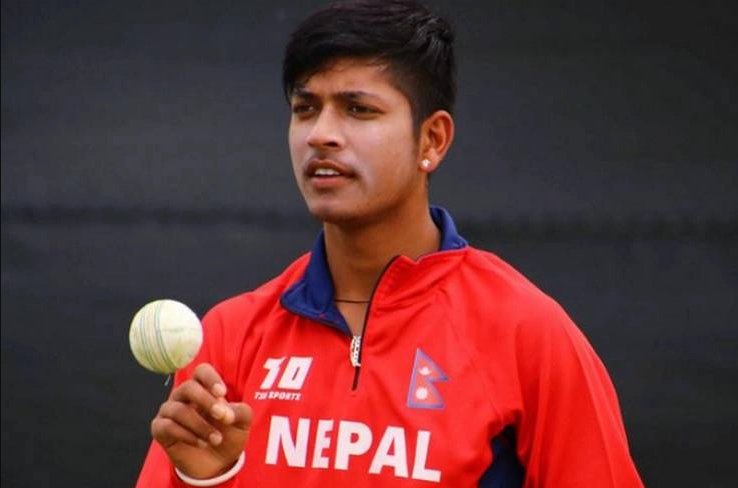
Sandeep Lamichhane – Nepal’s Young Sensation

In recent years, Sandeep Lamichhane from Nepal has emerged as one of the brightest young talents in cricket. He reached his 50 ODI wickets in just 22 matches, becoming one of the fastest in history. Lamichhane’s journey is especially remarkable because he comes from a country still developing its cricketing infrastructure. His control over leg-spin and ability to bowl under pressure in international tournaments have made him a global figure.

Lamichhane’s success proves that talent can rise from anywhere, and it has opened new doors for associate nations to believe in their cricketing dreams. His consistency at a young age reflects not only skill but also maturity beyond his years.

fastest 50 wickets in odi cricket

fastest 50 wickets in odi cricket

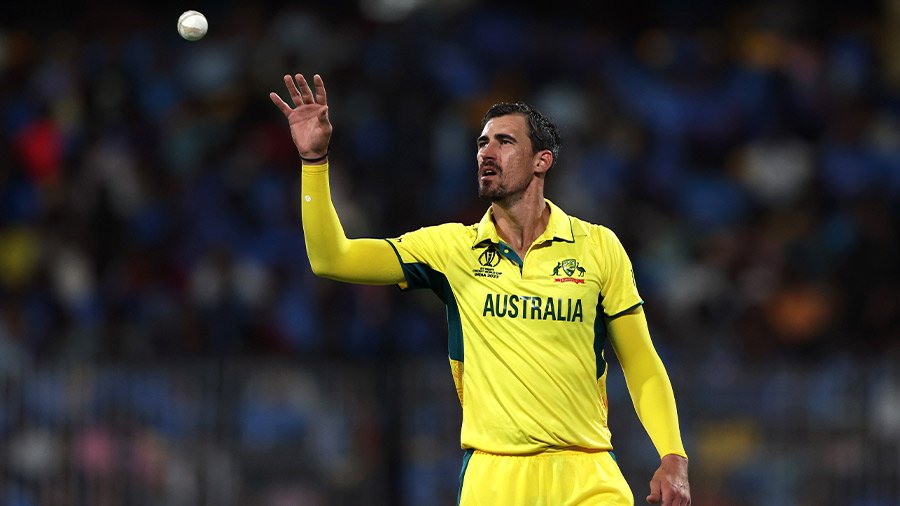
Mitchell Starc – Australia’s Left-Arm Thunderbolt

Another name that deserves mention among the fastest wicket-takers is Mitchell Starc of Australia. Known for his lethal pace and swinging yorkers, Starc reached 50 ODI wickets in just 27 matches. His ability to destroy batting lineups early in the innings has been a key factor in Australia’s dominance over the past decade.

Starc’s combination of raw pace and precision makes him a complete bowler. He can swing the new ball both ways and hit the blockhole perfectly at the death. What sets him apart is his aggression — he thrives under pressure and delivers when his team needs him most. His performance in the 2015 World Cup was a perfect example of his brilliance, where he won the Player of the Tournament award.

fastest 50 wickets in odi cricket

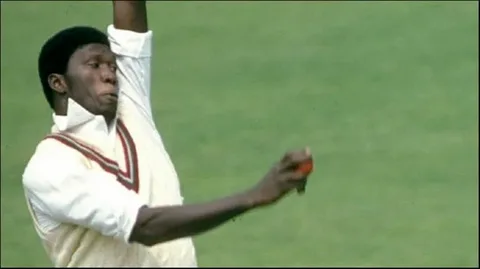
Joel Garner – The Gentle Giant of the West Indies

Before the era of modern fast bowling, Joel Garner from the West Indies terrorized batters with his towering height and deadly bounce. He reached 50 ODI wickets in just 30 matches, a record that stood tall during the 1980s. Garner’s accuracy was legendary; he rarely gave away easy runs and often produced unplayable deliveries that crashed into the stumps.

Garner’s presence was intimidating, and his consistency in the limited-overs format helped West Indies become one of the most feared teams of their time. Even decades later, his records and performances remain a benchmark for upcoming fast bowlers.

fastest 50 wickets in odi cricket

fastest 50 wickets in odi cricket

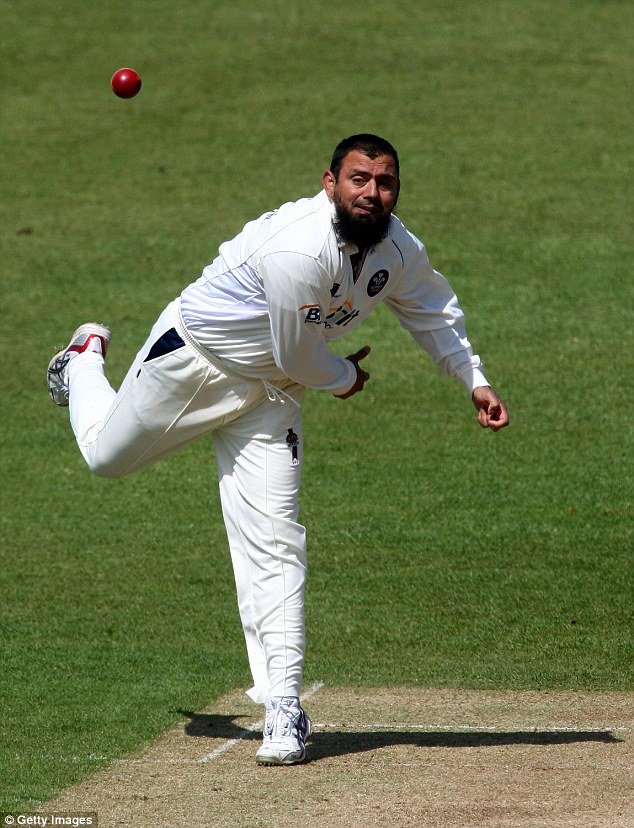
Saqlain Mushtaq – The Pioneer of the “Doosra”

Among spinners, Saqlain Mushtaq of Pakistan made history as one of the first bowlers to master the “doosra” — a delivery that spins the opposite way of the traditional off-spin. He achieved his 50 ODI wickets in 28 matches, an incredible achievement for his era. Saqlain’s mastery of flight, spin, and control helped Pakistan dominate several ODI series during the 1990s.

His innovative approach to bowling not only brought success but also changed the dynamics of spin bowling forever. Many modern off-spinners credit Saqlain for revolutionizing the art of spin in limited-overs cricket.

Saqlain Mushtaq – The Pioneer of the “Doosra”

Mohammed Shami – India’s Consistent Match Winner

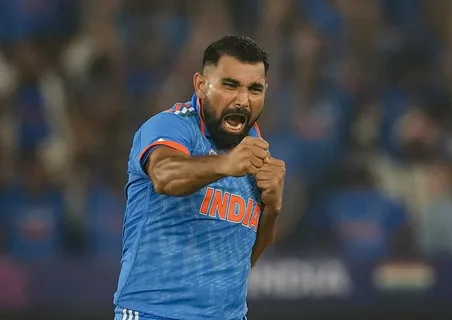
From India, Mohammed Shami has been one of the most impactful pacers in ODIs. Known for his seam movement and ability to strike with the new ball, Shami completed his 50 wickets milestone in 29 matches. His consistent performances, especially in ICC tournaments, have made him one of India’s key assets. Shami’s fitness, aggression, and accuracy make him one of the most complete fast bowlers in modern cricket.

He has the knack of breaking partnerships and delivering breakthroughs just when the opposition seems comfortable. His record is a result of persistence and hard work over years of domestic and international experience.

Mohammed Shami – India’s Consistent Match Winner

fastest 50 wickets in odi cricket

Factors Behind Their Success

Achieving the fastest 50 wickets in ODI cricket requires more than talent. Fitness, game awareness, and adaptability play crucial roles. Modern cricket demands bowlers to adjust quickly to different pitches and match situations. Spinners like Mendis and Lamichhane rely on subtle variations, while fast bowlers like Starc and Shami use pace and swing to dismantle batting lineups. Mental strength and the ability to bounce back after tough matches are equally important.


Impact on ODI Cricket

The bowlers who achieved this record not only contributed to their teams’ victories but also reshaped strategies in ODI cricket. Captains began to rely more on attacking bowlers who could provide early wickets. This shift in approach added intensity to the first 10 overs of the game and made ODIs more thrilling for fans.

Moreover, their records motivate young bowlers worldwide to focus on control, consistency, and innovation. Whether it’s a spinner developing a new variation or a pacer working on reverse swing, the benchmark for success continues to rise.


fastest 50 wickets in odi cricket

Conclusion

The record for the fastest 50 wickets in ODI cricket celebrates more than just speed — it honors brilliance, adaptability, and consistency. From Ajantha Mendis’ mysterious spin to Mitchell Starc’s fiery pace, each bowler has brought something unique to the game. These players remind us that in cricket, innovation and passion can turn even limited opportunities into lasting legacies.

Their achievements continue to inspire the next generation of cricketers, proving that hard work, focus, and the right mindset can lead to extraordinary success in the ever-evolving world of ODI cricket.

Categories
Cricket News

highest paid cricketer in the world

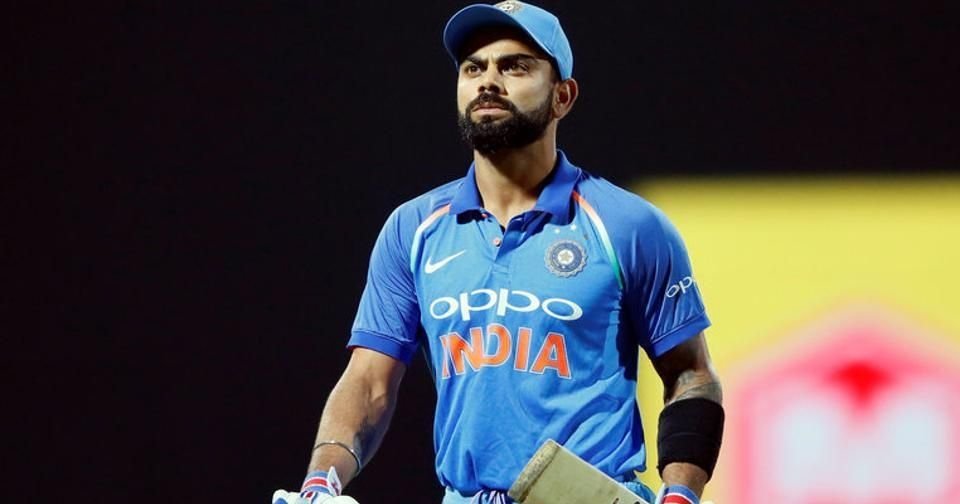
Cricket is more than just a sport—it’s a billion-dollar industry that has transformed players into global icons. Over the years, several cricketers have achieved massive financial success through salaries, match fees, endorsements, and investments. But the question remains: Who is the highest paid cricketer in the world today? In 2025, that title belongs to Virat Kohli, an Indian cricket superstar known for his exceptional talent, global brand presence, and unmatched consistency both on and off the field.


Virat Kohli: The Modern Cricket Millionaire

Virat Kohli is not only one of the greatest batsmen in modern cricket but also the highest paid cricketer in the world. His journey from a young Delhi cricketer to one of the richest athletes globally is inspiring. Kohli earns money from multiple sources — cricket contracts, match fees, brand endorsements, and personal ventures. According to financial reports, his total annual income surpasses $30 million, putting him on par with some of the highest-paid athletes in the world like LeBron James and Lionel Messi.

highest paid cricketer in the world

highest paid cricketer in the world

Sources of Income

Virat Kohli’s earnings are a combination of his professional cricket career and off-field business ventures. Let’s explore how he makes his fortune.

1. Cricket Salary

Kohli plays for the Indian national team and represents Royal Challengers Bengaluru (RCB) in the Indian Premier League (IPL). As a Grade A+ player in the BCCI’s contract list, he earns around $1 million annually in retainers alone. Additionally, his IPL salary is among the highest, estimated at $2 million per season. Combined with match fees and performance bonuses, his cricket earnings form a significant part of his wealth.

2. Brand Endorsements

Kohli’s massive popularity has made him a brand ambassador for top global companies. He has endorsement deals with brands like Puma, Audi, MRF, Tissot, Himalaya, and Vivo. His partnership with Puma alone is worth over $17 million, making it one of the most lucrative deals in sports. These endorsements contribute heavily to his yearly income.

3. Business Ventures

Apart from cricket and endorsements, Kohli has invested in several business ventures. He owns the One8 brand, which includes clothing, shoes, and fragrance lines. Additionally, he co-owns FC Goa, a football team in the Indian Super League. His restaurant chain, One8 Commune, is another successful venture that adds millions to his income. These investments reflect his strategic mindset beyond the cricket field.


Why Virat Kohli Tops the List

There are several reasons why Kohli continues to dominate the financial charts in world cricket:

  1. Consistency and Performance: Kohli’s consistent batting performances across formats have made him a global superstar. His aggressive style and unmatched passion make him one of the most marketable athletes in the world.
  2. Global Fan Base: With over 260 million followers on Instagram, Kohli is among the most-followed athletes globally. His digital influence allows brands to reach millions instantly.
  3. Professional Image: Kohli maintains a disciplined lifestyle, fitness routine, and a positive public image. This makes him an ideal ambassador for premium and fitness-oriented brands.
  4. Business Intelligence: Unlike many athletes who depend solely on playing contracts, Kohli’s diversified income streams make his wealth sustainable.

highest paid cricketer in the world

Other Top Paid Cricketers in the World

While Kohli leads the chart, other cricketers also earn impressive amounts through cricket and endorsements. Let’s look at the top competitors.

1. Pat Cummins (Australia)

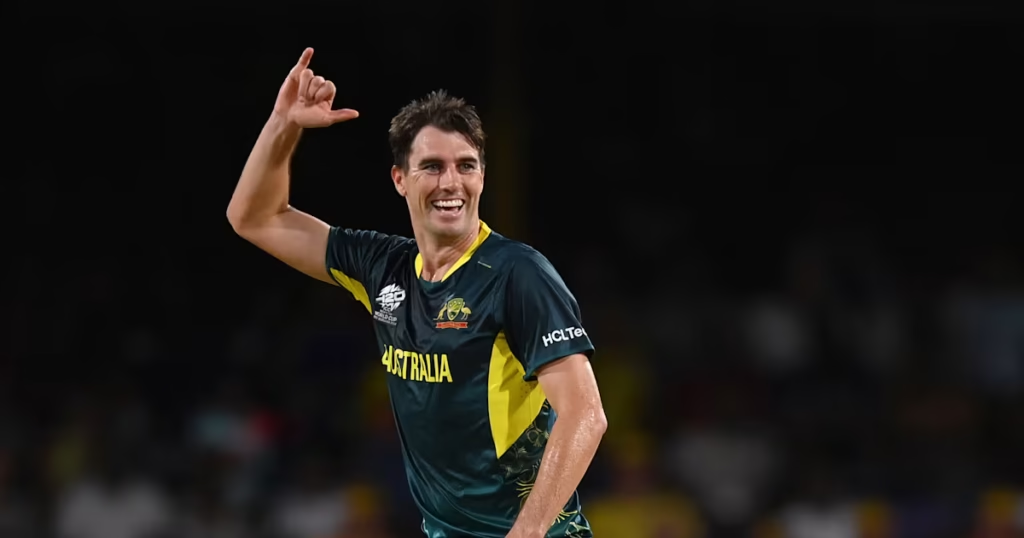
Australia’s captain Pat Cummins has seen a remarkable rise in earnings, thanks to his leadership success and IPL contracts. His annual income is estimated around $5–6 million, combining international and franchise cricket.

highest paid cricketer in the world

2. Ben Stokes (England)

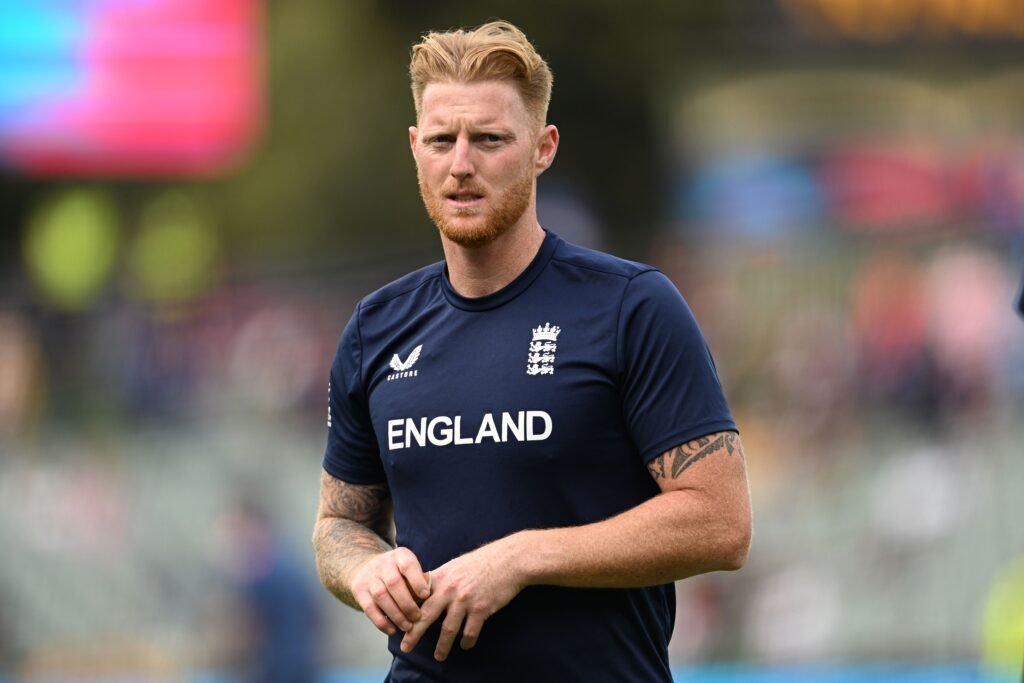
England’s star all-rounder and captain Ben Stokes earns around $4 million per year through his national team contract, The Hundred, and commercial deals with brands like Red Bull.

highest paid cricketer in the world

highest paid cricketer in the world

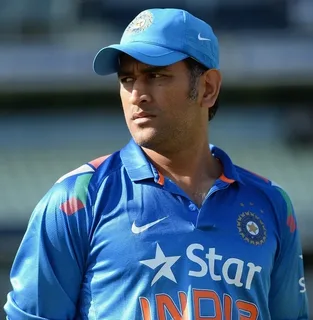
3. MS Dhoni (India)

Although retired from international cricket, MS Dhoni remains a top earner through his IPL franchise Chennai Super Kings (CSK) and brand endorsements. His smart investments and business ventures, including a production company, make him a long-term financial success.

highest paid cricketer in the world

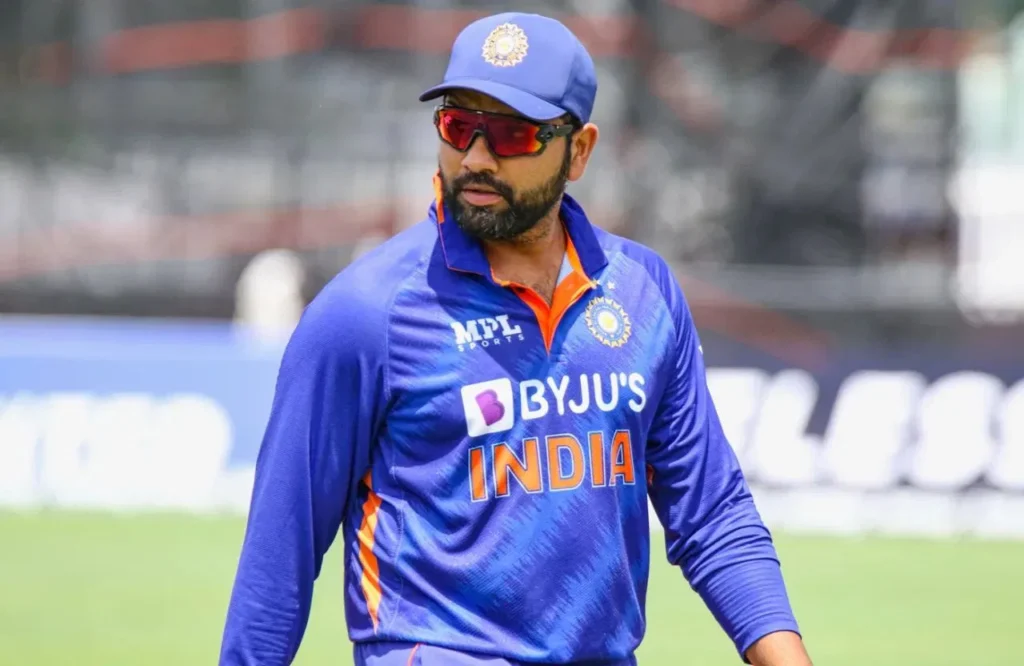
4. Rohit Sharma (India)

India’s current captain Rohit Sharma earns around $3–4 million annually through cricket contracts and brand deals with companies like Adidas and Dream11. His calm leadership and consistency have strengthened his market appeal.

 Rohit Sharma (India)

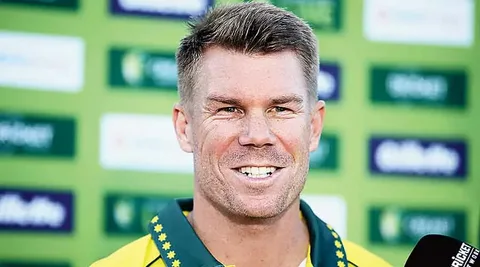
5. David Warner (Australia)

Known for his explosive batting, Warner continues to earn well through international cricket, franchise leagues, and partnerships with sporting brands, making around $2–3 million yearly.

 David Warner (Australia)

highest paid cricketer in the world

Global Popularity and the IPL Factor

The Indian Premier League (IPL) plays a crucial role in the financial growth of modern cricketers. With massive broadcasting deals and sponsorships, the IPL pays some of the highest salaries in cricket. Players like Kohli, Cummins, and Stokes have benefited greatly from this tournament. International stars also flock to leagues like Big Bash League (BBL), The Hundred, and Pakistan Super League (PSL), increasing their global exposure and income.


highest paid cricketer in the world

Comparing Cricket with Other Sports

Although cricket players earn significantly, their income is still lower compared to footballers or NBA stars. However, the rise of leagues like the IPL has narrowed this gap. For instance, Virat Kohli’s net worth is now estimated at over $130 million, which places him among the top 100 highest-paid athletes globally.

Cricket’s growing digital audience, especially in India, has attracted brands and streaming giants to invest heavily, leading to higher player salaries. As the sport expands into new regions like the USA and the Middle East, these numbers are expected to rise even further.


Future of Cricket Earnings

The future looks bright for professional cricketers. With new tournaments, sponsorships, and digital monetization, the potential for earnings continues to grow. Players today not only rely on their performance but also on personal branding, social media presence, and entrepreneurship. Virat Kohli’s journey has set an example of how a sportsman can transition into a successful global brand.

Upcoming players like Shubman Gill, Harry Brook, and Cameron Green are already attracting major sponsors, indicating that cricket’s financial future is promising. As technology enhances fan engagement, cricketers will continue to enjoy higher visibility and, consequently, higher income.


highest paid cricketer in the world

Final Thoughts

In conclusion, Virat Kohli remains the highest paid cricketer in the world, earning millions through cricket, endorsements, and businesses. His success story is not just about talent but also about hard work, discipline, and vision. With cricket evolving rapidly, the next generation of players will have even greater opportunities to build global brands and financial empires.

Kohli’s dominance both on and off the field proves that in the modern era, a cricketer can achieve superstar status comparable to global icons in football or basketball. As fans, we continue to witness not only the evolution of the sport but also the rise of its financial giants.

Categories
Cricket News

Longest six in cricket history

The keyword longest six in cricket history excites every cricket fan because it connects power, timing, and unforgettable moments. A six is more than just runs on the scoreboard; it is a statement of dominance. Over the years, many legendary cricketers have entertained fans by smashing the ball out of the park, but some sixes are remembered for their extraordinary distance. In this article, we will explore the longest sixes ever hit, the players behind them, and how six-hitting has become an essential part of cricket’s entertainment factor.


Longest six in cricket history

The Magic of Six-Hitting

Six-hitting is one of the most thrilling parts of cricket. Fans jump from their seats when the ball sails over the boundary. However, not all sixes are the same. Some just clear the ropes, while others travel into the stands or even out of the stadium. The longest sixes are rare and require immense strength, perfect timing, and favorable conditions. With modern bats, power-hitters have pushed the limits of what was once thought impossible.


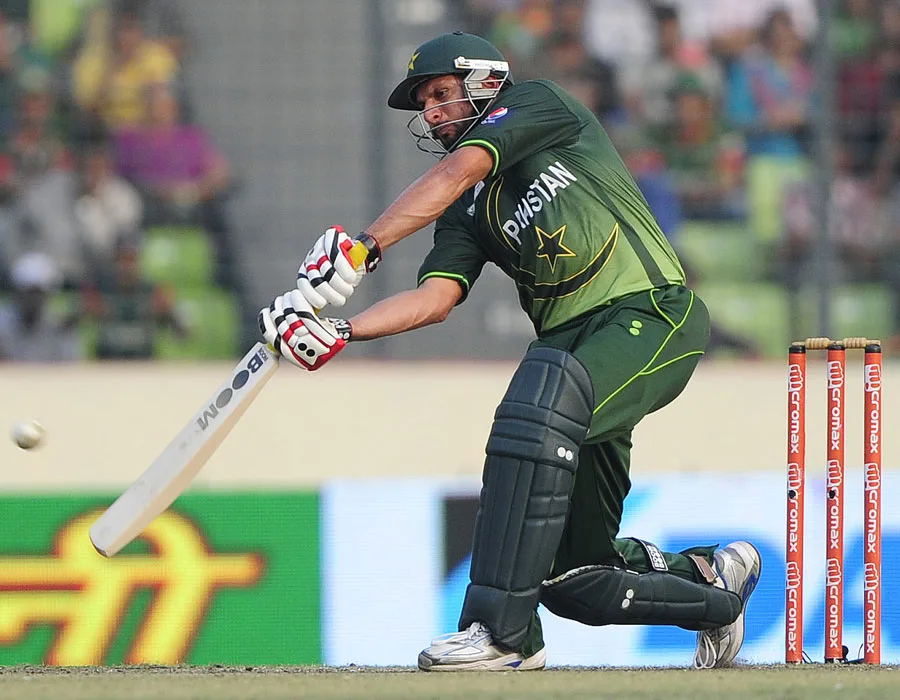
Shahid Afridi’s Iconic 153-Meter Six

When we talk about the longest six in cricket history, Shahid Afridi’s 153-meter strike against South Africa in 2013 often comes to mind. Known as “Boom Boom Afridi,” he was famous for his fearless approach and natural hitting ability. This gigantic six not only stunned fans but also highlighted how raw power could change a match. Although there are debates about the accuracy of the measured distance, Afridi’s six remains one of the most celebrated moments in cricket.

Longest six in cricket history

Longest six in cricket history

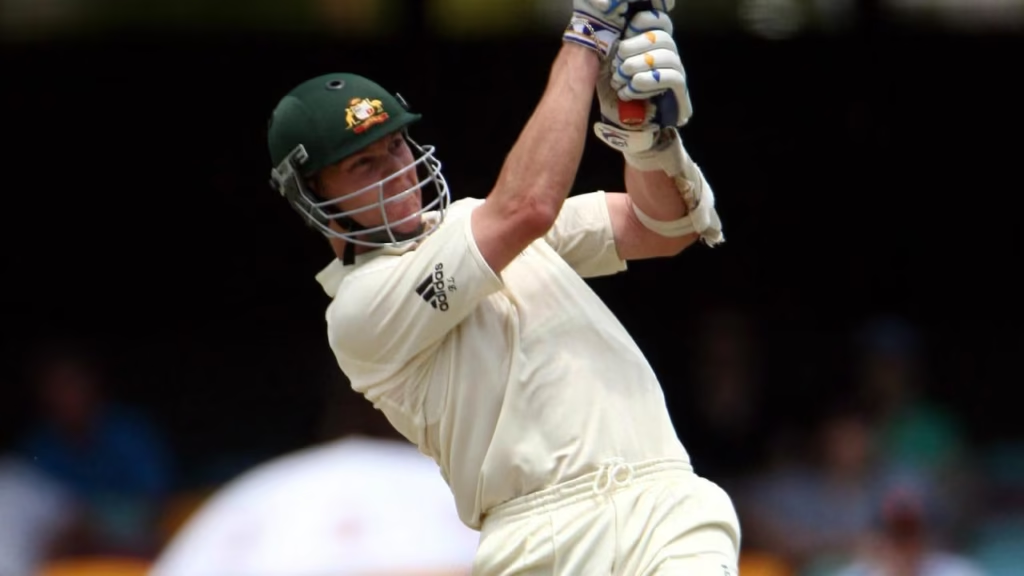
Brett Lee’s Massive 130-Meter Six

Surprisingly, not only batsmen but also bowlers have made their mark in six-hitting history. Australian fast bowler Brett Lee shocked everyone during a Test match in 2005 when he launched a delivery for a 130-meter six at the Gabba. Known for his fiery pace, Lee proved that even tail-enders can create magical moments with the bat. His six continues to be one of the longest officially recorded hits in cricket.

Longest six in cricket history

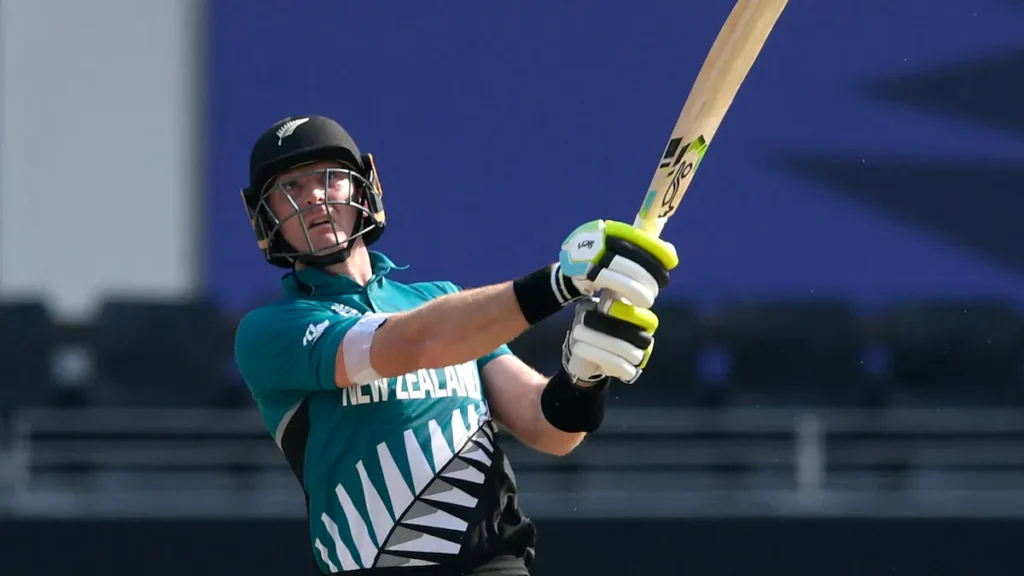
Martin Guptill’s Towering 127-Meter Six

New Zealand’s Martin Guptill is another name that often appears in the list of big hitters. In 2012, he struck a massive 127-meter six against South Africa. Guptill’s ability to combine timing with power has made him one of the most dangerous openers in limited-overs cricket. This shot reflected his natural hitting style and cemented his reputation as a clean striker of the ball.

Longest six in cricket history

Longest six in cricket history

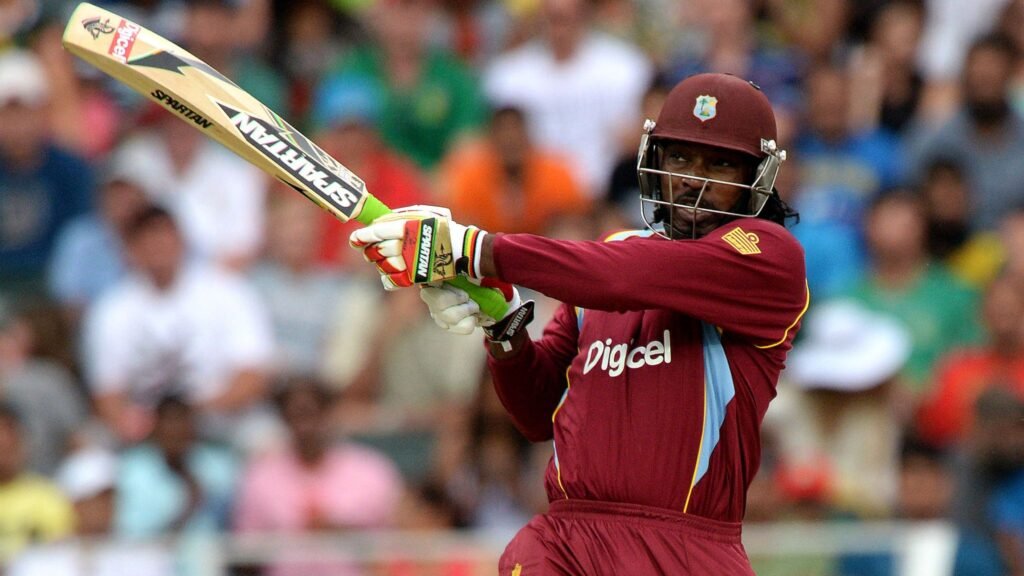
Chris Gayle – The Universal Boss of Sixes

When discussing long sixes, we cannot ignore Chris Gayle, also known as the “Universe Boss.” With unmatched strength, Gayle has hit countless sixes in T20 leagues and international cricket. One of his longest sixes traveled over 119 meters, showcasing his ability to clear any ground in the world. Gayle’s consistency in power-hitting has changed the way batsmen approach modern cricket, making him a true icon of six-hitting.

Longest six in cricket history

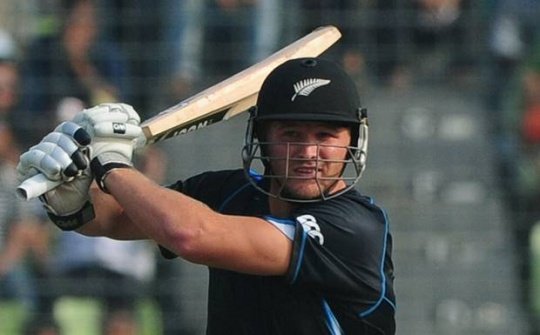
Corey Anderson’s 122-Meter Blast

Another New Zealander, Corey Anderson, made headlines with a 122-meter six during an ODI against India in 2014. Known for his explosive batting, Anderson’s six highlighted how modern batsmen are capable of sending the ball deep into the stands. His ability to accelerate the innings with such powerful shots made him a dangerous player in limited-overs formats.

Corey Anderson’s 122-Meter Blast

MS Dhoni’s Classic Helicopter Six

Former Indian captain MS Dhoni was not only known for his calm leadership but also for his finishing ability. One of his most famous sixes measured around 112 meters, achieved using his trademark “helicopter shot.” While not the longest six in cricket history, Dhoni’s technique and power made his sixes legendary. His iconic World Cup-winning six in 2011 will forever be etched in cricket history, proving that distance is not the only factor that makes a six unforgettable.

MS Dhoni’s Classic Helicopter Six

Longest six in cricket history

Evolution of Six-Hitting in Modern Cricket

In earlier times, six-hitting was considered a rare skill. Most batsmen relied on ground shots to build innings. However, the introduction of T20 cricket, better bats, and smaller grounds have transformed the game. Now, six-hitting is an expected part of every match. Players like Andre Russell, Glenn Maxwell, and Rohit Sharma consistently deliver big sixes, thrilling fans across the globe. The culture of aggressive batting has redefined cricket’s entertainment value.


Factors Behind Long Sixes

Several elements influence the distance of a six:

  • Bat Speed: Faster bat speed generates more power.
  • Bat Technology: Modern bats are lighter yet more powerful.
  • Timing: Pure timing can send the ball soaring, even without brute strength.
  • Ground and Wind Conditions: A favorable breeze or altitude can help the ball travel farther.
  • Player Fitness: Stronger players with core strength and balance are more likely to hit long sixes.

Longest six in cricket history

Unforgettable Sixes That Changed Matches

Some sixes are remembered not just for their distance but for their impact on the game. For example, Carlos Brathwaite’s four consecutive sixes in the 2016 T20 World Cup final against England turned the match in West Indies’ favor. Although not the longest, they remain among the most iconic sixes in history. This shows that the thrill of six-hitting goes beyond just distance—it is about timing, pressure, and game-changing moments.


Conclusion

The search for the longest six in cricket history continues to fascinate fans. From Afridi’s monstrous 153-meter hit to Gayle’s effortless power, these moments are more than statistics; they are memories that define cricket’s excitement. With the rise of T20 leagues and modern equipment, we will likely see even bigger sixes in the future. Ultimately, the longest six is not just about numbers—it is about the roar of the crowd, the surprise of the bowler, and the unforgettable joy it brings to cricket lovers worldwide.

Categories
Cricket News

icc men’s t20 world cup 2026 schedule

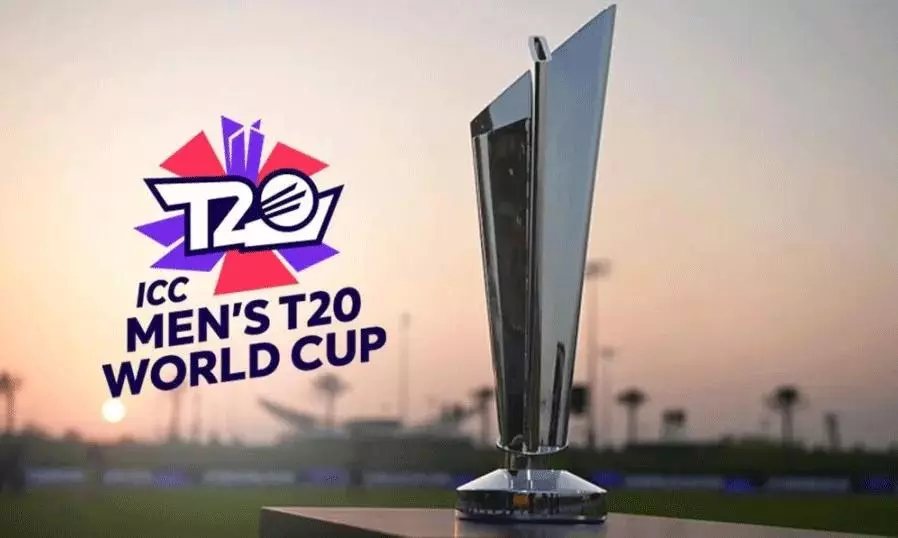
The excitement among cricket fans is reaching its peak as the ICC Men’s T20 World Cup 2026 draws closer. Set to be held from February 7 to March 8, 2026, this edition promises to be one of the most thrilling yet. For the first time, the tournament will be co-hosted by India and Sri Lanka, ensuring that cricket enthusiasts in both countries get to witness live-action from some of the best players in the world. With 20 teams participating, including several qualifiers from various regions, fans can expect a tournament full of surprises, intense competition, and memorable moments .icc men’s t20 world cup 2026 schedule

icc men's t20 world cup 2026 schedule

icc men’s t20 world cup 2026 schedule

Tournament Overview

The ICC Men’s T20 World Cup is the premier international tournament for the shortest format of cricket. Over the years, it has grown in popularity, attracting millions of viewers globally. The 2026 edition will feature:

  • Dates: February 7 – March 8, 2026
  • Hosts: India and Sri Lanka
  • Format: Group Stage, Super 8s, and Knockouts
  • Total Matches: 55
  • Participating Teams: 20
  • Defending Champions: India

This tournament will not only showcase elite cricketing talent but also provide a platform for emerging nations to make their mark on the global stage.


icc men’s t20 world cup 2026 schedule

Host Venues

One of the highlights of the 2026 T20 World Cup is the selection of iconic stadiums across India and Sri Lanka. These venues are known for their passionate crowds, world-class facilities, and historic cricketing moments.

India

  • Narendra Modi Stadium, Ahmedabad: Known as the largest stadium in the world, it promises an electric atmosphere.
  • Wankhede Stadium, Mumbai: Famous for its coastal crowd and exciting pitch conditions.
  • Rajiv Gandhi International Stadium, Hyderabad: Known for hosting some of India’s most memorable T20 games.
  • Arun Jaitley Stadium, Delhi: A venue with a rich cricketing history.
  • Eden Gardens, Kolkata: One of the most iconic cricket stadiums globally.
  • Sawai Mansingh Stadium, Jaipur: Famous for its vibrant audience and thrilling matches.
  • Punjab Cricket Association IS Bindra Stadium, Mohali: Known for supporting high-scoring games.
  • MA Chidambaram Stadium, Chennai: Provides a spin-friendly pitch, adding a challenge for fast bowlers.

Sri Lanka

  • R. Premadasa Stadium, Colombo: A large stadium known for hosting ICC tournaments in the past.
  • Pallekele International Cricket Stadium, Kandy: Offers scenic views and challenging pitch conditions.

The diverse conditions across these stadiums ensure that teams will be tested in both batting and bowling departments.


ICC Men’s T20 World Cup 2026 Schedule

While the official match schedule has yet to be released by the ICC, cricket analysts have predicted a tentative timeline based on previous tournaments:

  • Group Stage: February 7 – February 21
  • Super 8s: February 22 – February 28
  • Knockout Stage:
    • Semi-finals: March 2 – March 3
    • Final: March 8

The group stage will feature 20 teams divided into four groups.Each team will compete against all other teams in its group during the group stage.
The top two teams from each group will advance to the Super 8s, making every group-stage match crucial for qualification.


icc men’s t20 world cup 2026 schedule

Participating Teams

The 2026 T20 World Cup will bring together both cricketing giants and emerging nations. Already, several teams have qualified through regional competitions:

Asia

  • India
  • Pakistan
  • Sri Lanka
  • Bangladesh
  • Afghanistan
  • Nepal
  • UAE
  • Qatar
  • Malaysia

Africa

  • Namibia
  • Zimbabwe

Europe

  • England
  • Ireland
  • Netherlands
  • Scotland

Americas

  • United States
  • Canada

Oceania

  • Australia
  • New Zealand

This diverse lineup will ensure a global representation, making it a truly international event.


icc men’s t20 world cup 2026 schedule

Tournament Format

The 2026 ICC Men’s T20 World Cup will follow the standard format:

  1. Group Stage: Teams are divided into four groups of five, playing in a round-robin format.
  2. Super 8s: The top two teams from each group progress to this stage. Points from the group stage carry over, adding to the excitement.
  3. Knockouts: Semi-finals and the final will determine the champion.

Each match consists of 20 overs per side, making the games fast-paced and action-packed. The T20 format encourages aggressive batting, innovative bowling, and thrilling finishes.


icc men’s t20 world cup 2026 schedule

Defending Champions and Favorites

India enters the tournament as the defending champions, having won the previous T20 World Cup. However, with strong teams like Australia, England, Pakistan, and New Zealand in the fray, predicting a winner is no easy task.

Key players to watch include:

  • India: Virat Kohli, Jasprit Bumrah
  • Pakistan: Babar Azam, Shaheen Afridi
  • Australia: Pat Cummins, Glenn Maxwell
  • England: Jos Buttler, Ben Stokes
  • Sri Lanka: Dasun Shanaka, Wanindu Hasaranga

These players are likely to have a significant impact on their respective teams’ performance.


Tickets and Fan Engagement

Fans eager to attend the ICC Men’s T20 World Cup 2026 should purchase tickets early. Tickets will be available on the official ICC website, with options for group packages, single match passes, and premium hospitality experiences.

Fan zones will be set up in both India and Sri Lanka, allowing local and international supporters to engage in activities, meet players, and enjoy live screenings of matches. This ensures a memorable experience even for those who cannot attend the stadiums.


icc men’s t20 world cup 2026 schedule

Broadcasting and Streaming

Global broadcasting rights have been secured, ensuring fans worldwide can watch the action. In India, matches will be telecast on Star Sports and streamed on Disney+ Hotstar. For international viewers, local broadcasters will provide live coverage. Additionally, highlights and match updates will be available on social media platforms, ensuring fans never miss a moment.


Key Factors to Watch in 2026

  1. Emerging Players: Expect young talents from associate nations to challenge established stars.
  2. Pitch Conditions: Venues in India favor batsmen, while Sri Lankan grounds offer more spin-friendly pitches.
  3. Fan Atmosphere: Both countries are known for enthusiastic cricket fans, creating high-pressure environments.
  4. Weather Conditions: February and March are generally dry, but occasional rain interruptions are possible.

These factors will make the 2026 edition unpredictable and highly entertaining.


icc men’s t20 world cup 2026 schedule

Stay Updated

For real-time updates on fixtures, team squads, and ticketing, visit the official ICC website. Following ICC’s social media accounts will also keep you informed about player interviews, match previews, and behind-the-scenes coverage.


Conclusion

The ICC Men’s T20 World Cup 2026 Schedule promises a month full of cricketing action. With 20 teams, 55 matches, and venues spread across India and Sri Lanka, fans can expect thrilling games, breathtaking performances, and unforgettable moments. Whether you are a die-hard cricket enthusiast or a casual viewer, this tournament offers something for everyone.

From the electrifying group stages to the nail-biting final, every match will be crucial. Defending champions India will face stiff competition from seasoned teams and emerging nations alike. With star players, iconic venues, and passionate crowds, the 2026 T20 World Cup is set to become a landmark event in cricket history.

Mark your calendars, secure your tickets, and get ready to experience the excitement of the ICC Men’s T20 World Cup 2026—a cricket festival that promises unmatched thrill and entertainment.

Categories
Cricket News

Most Wickets in a Single Test Match

Cricket has always celebrated extraordinary individual performances that can change the course of a game. Among these feats, taking the most wickets in a single Test match is one of the most prestigious and difficult achievements. Test cricket, with its long format and tactical play, demands endurance, skill, and mental strength from bowlers. In this article, we explore the record-holders, memorable performances, and the impact of these incredible bowling feats.

Most Wickets in a Single Test Match

Most Wickets in a Single Test Match

The Legendary Record of Jim Laker

When it comes to most wickets in a single Test match, no name shines brighter than Jim Laker. The English off-spinner set a record that has remained unmatched for decades. In 1956, during the Ashes series at Old Trafford, Manchester, Laker produced a bowling masterclass against Australia, taking 19 wickets in one Test match.

Here’s the breakdown:

  • First innings: 9 wickets for 37 runs
  • Second innings: 10 wickets for 53 runs

Remarkably, this is the only instance in Test history where a bowler has taken all 10 wickets in a single innings and 19 wickets in a match. Laker’s performance combined precision, control, and strategic brilliance, making it one of the most celebrated achievements in cricket.


Understanding the Significance

Taking wickets in Test cricket is a challenging task. Batsmen are known for their patience, defensive techniques, and ability to adapt to different conditions. Achieving 19 wickets in a match requires not only skill but also physical endurance and mental resilience.

Laker’s record is more than just a statistic. It represents the art of spin bowling at its finest. Every delivery had a purpose, every variation was calculated, and every wicket required both strategy and execution. The impact of this performance was immense, helping England secure a dominant victory and leaving an enduring legacy in cricket history.


Most Wickets in a Single Test Match

Other Notable Bowling Performances

While Jim Laker’s record remains unsurpassed, several bowlers have come close to matching his dominance. These performances highlight the skill and determination required to excel in Test cricket.

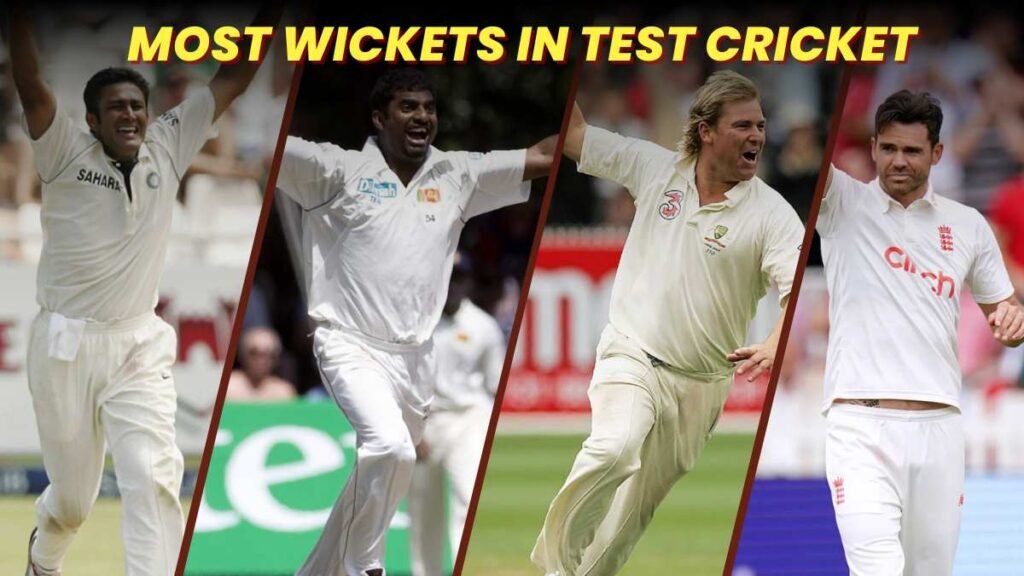
1. Anil Kumble – India’s Spin Wizard

India’s legendary leg-spinner Anil Kumble was known for his relentless accuracy and ability to outthink batsmen. Kumble has multiple matches where he took 16-17 wickets, turning games in India’s favor. His unique bowling style relied on consistency and subtle variations rather than sheer spin, which made him a master of long spells in Test cricket.

Most Wickets in a Single Test Match

2. Muttiah Muralitharan – Sri Lanka’s Spin Genius

Sri Lanka’s Muttiah Muralitharan, the highest wicket-taker in Test history, also delivered astonishing performances in individual matches. Known for his deadly doosra and off-spin, Murali could dismantle batting line-ups with patience and guile. While he never broke Laker’s 19-wicket record, multiple 16+ wicket hauls demonstrate his domination over world cricket.

3. Shane Warne – Australia’s Leg-Spin Maestro

Australian legend Shane Warne brought leg-spin back into mainstream cricket with flair and cunning. Warne’s match-winning spells often included 16-17 wickets, and he was particularly lethal on turning tracks. His aggressive mindset combined with precise variation allowed him to outfox batsmen consistently.

4. Other Close Contenders

Several bowlers, like Danish Kaneria, Richard Hadlee, and Fred Trueman, have had notable matches with 15+ wickets. Each of these performances highlights the combination of skill, strategy, and perseverance required to dominate in the longest format of the game.


Most Wickets in a Single Test Match

Factors That Make Such Performances Possible

Achieving most wickets in a single Test match is never accidental. It requires a combination of skill, conditions, and teamwork:

  1. Pitch Conditions: Spin-friendly or seam-friendly pitches can make a huge difference. Jim Laker exploited Old Trafford’s turning surface perfectly.
  2. Bowling Skill: Accuracy, variation, and reading the batsman’s intentions are critical. Bowlers like Murali and Kumble mastered this art.
  3. Physical Fitness: Bowling long spells demands stamina. Maintaining focus over multiple days is as important as skill.
  4. Fielding Support: Wickets often depend on catches and run-outs. Even a perfect delivery can go unrewarded without alert fielding.
  5. Mental Toughness: Test cricket can be mentally draining. Bowlers must stay patient, adapt strategies, and recover from setbacks during the match.

Why This Record Still Inspires Cricketers

The achievement of taking 19 wickets in a single Test match is more than just numbers. It inspires bowlers worldwide to strive for excellence. Young cricketers study Laker’s technique, Warne’s leg-spin artistry, and Murali’s variations to learn how to dominate a Test match.

Moreover, these performances remind fans why cricket is so unpredictable and exciting. Even in a game that can last five days, one player can leave an indelible mark through skill, persistence, and determination.


Most Wickets in a Single Test Match

Comparing Bowling and Batting Feats

While batting centuries often steal the spotlight, bowling achievements like Laker’s highlight the importance of balance in cricket. A batsman may score hundreds of runs, but a bowler capable of taking 10 wickets in an innings or dominating a match can completely shift momentum. This underscores the fact that cricket is a team sport, where individual brilliance in bowling, batting, or fielding can turn the tide.


Lessons for Aspiring Bowlers

For budding cricketers, studying the matches with most wickets in a single Test teaches valuable lessons:

  • Patience is key: Bowling long spells with focus pays off.
  • Variation matters: Mixing pace, spin, and bounce confuses batsmen.
  • Work with the team: Fielders, captains, and bowlers must coordinate.
  • Adapt to conditions: Every pitch and weather condition requires a different strategy.

By embracing these principles, young bowlers can aspire to create their own memorable moments in Test cricket.


Most Wickets in a Single Test Match

Conclusion

The record for most wickets in a single Test match represents one of cricket’s greatest individual achievements. Jim Laker’s 19 wickets against Australia in 1956 remain unmatched, and performances by legends like Anil Kumble, Muttiah Muralitharan, and Shane Warne reinforce the skill required to dominate in Test cricket.

This record is not just about numbers; it symbolizes precision, endurance, strategy, and excellence. For cricket fans, these feats are thrilling reminders of the beauty and unpredictability of the game. Whether you are a bowler seeking inspiration or a fan reliving cricket’s greatest moments, the story of the most wickets in a single Test match remains a source of admiration and awe.

Categories
Cricket News

Best Catches in Cricket

Cricket is a sport celebrated not only for its runs and wickets but also for its fielding brilliance. Among all the facets of the game, catches hold a special place in the hearts of fans. A spectacular catch can instantly turn the momentum of a match, lift the spirits of a team, and become a moment remembered for decades. In this article, we explore some of the best catches in cricket, analyzing what made them extraordinary and how they have influenced modern fielding standards.

Best Catches in Cricket

Best Catches in Cricket

The Art of Catching in Cricket

Catching in cricket is more than just holding onto the ball; it is about timing, athleticism, anticipation, and reflexes. A fielder must judge the trajectory of the ball, position themselves perfectly, and execute the catch flawlessly. Even slight misjudgment can result in a dropped catch, costing crucial runs or even a match. That is why fielders like Jonty Rhodes, Ricky Ponting, and AB de Villiers are celebrated not just as cricketers but as fielding legends.

In the modern game, where every run counts, a stunning catch can uplift a team and demoralize the opposition. Let’s take a look at some of the best catches in cricket history that left fans in awe.

Jonty Rhodes: Redefining Fielding

One cannot discuss the best catches without mentioning Jonty Rhodes, the South African fielding maestro. During the 1992 Cricket World Cup, Rhodes made a diving run-out against Pakistan, which is widely regarded as one of the most iconic moments in cricket history. However, his catching skills were equally impressive. Rhodes often caught balls running full speed, diving sideways, and even backward, setting new benchmarks for fielders worldwide.

His agility, anticipation, and fearless approach transformed fielding from a supportive role to a match-changing skill. Modern cricketers often cite Jonty Rhodes as the inspiration behind their fielding techniques.

Best Catches in Cricket

Ricky Ponting’s Gravity-Defying Catches

Former Australian captain Ricky Ponting is remembered not just for his batting but also for some gravity-defying catches. One of the most remarkable ones came during a Test match against South Africa in 2006. Ponting, positioned at short mid-wicket, leaped high into the air and took a catch that seemed almost impossible. What made it extraordinary was the balance and coordination involved, showcasing how top-level fielding combines athleticism with perfect judgment.

Ponting’s catches were often game-changing. His ability to perform under pressure, particularly in high-stakes matches like the Ashes, made him a legend in the field.

AB de Villiers: The Agile Magician

Known as “Mr. 360” for his batting, AB de Villiers also amazed fans with his exceptional fielding skills. The South African cricketer’s agility, speed, and anticipation enabled him to take catches in all corners of the field. His one-handed, diving grabs at backward point or deep mid-wicket became iconic.

A memorable moment came during an ODI against India, where de Villiers sprinted across the boundary, leapt into the air, and plucked a ball out of nowhere with one hand. This catch not only removed a key batsman but also energized the entire team. His fielding style emphasized that catching requires both physical prowess and mental sharpness.

Best Catches in Cricket

Ben Stokes: The Modern Hero

England’s Ben Stokes is known for his all-round cricketing prowess, and his catches often make highlight reels. During the 2019 World Cup semi-final against New Zealand, Stokes took a stunning catch in the outfield that changed the course of the match. The timing, speed, and concentration required to hold onto a fast-moving ball in such crucial moments underline the importance of top-class fielding in modern cricket.

Stokes’ approach reflects how contemporary cricket demands players to be versatile. Fielding is no longer a secondary skill; it is now central to winning matches.

Subtle Yet Brilliant Catches

While diving or leaping catches often grab headlines, some of the best catches in cricket are subtle. These involve sharp reflexes, soft hands, and perfect anticipation. For instance, Michael Clarke and Virat Kohli have often executed slips catches with minimal movement yet maximum precision. Such catches are often crucial in Test matches, where every wicket can impact the final outcome.

These moments remind us that catching isn’t always about acrobatics; sometimes, it is about being alert, composed, and consistent.

Impact on Team Morale

A spectacular catch can lift the entire team’s spirit. Fielders often create a psychological advantage by executing catches that demoralize opposition batsmen. For example, a stunning outfield catch in a tight run chase can disrupt the batting team’s rhythm. This highlights how best catches in cricket are not only a display of athleticism but also a strategic tool.

Teams now invest heavily in fielding drills and specialized coaches to ensure that players are prepared to execute such game-changing catches under pressure. Fielding has become a core aspect of professional cricket training, thanks in large part to legends like Jonty Rhodes and AB de Villiers.

Best Catches in Cricket

How Technology Has Enhanced Fielding

In modern cricket, technology has played a role in improving catching standards. High-speed cameras, motion tracking, and video analysis allow fielders to study batsmen’s shots, ball trajectories, and their own movements. This has resulted in sharper reflexes, better positioning, and fewer dropped catches. The evolution of fielding techniques has made catching a spectacle, elevating it to one of cricket’s most thrilling elements.

Fans now celebrate not just wickets but spectacular fielding moments, with social media amplifying these catches to millions worldwide. Highlights of the best catches often go viral, inspiring young cricketers to emulate their heroes.

Conclusion

Catches in cricket are more than just routine plays; they are moments of magic that showcase skill, agility, and concentration. From Jonty Rhodes’ diving brilliance to AB de Villiers’ lightning reflexes, the best catches have changed matches, lifted teams, and created unforgettable memories. Modern cricket continues to push the boundaries of athleticism, and catching remains a skill every player strives to master.Whether it is a high-pressure one-day international, a tense Test match, or a thrilling T20, the best catches in cricket remain a testament to the sport’s beauty and excitement. Every spectacular catch reminds fans why cricket is not just about runs and wickets—it is also about grace, reflex, and sheer determination.

Categories
Cricket News

Best Fielder in Cricket

Cricket is a game of skill, strategy, and endurance, but often the brilliance in the field decides matches. While batsmen and bowlers get most of the attention, fielders can turn games with agility, precision, and anticipation. The best fielder in cricket combines athleticism, sharp reflexes, and intelligence to make match-winning plays.

Best Fielder in Cricket

The Role of Fielding in Modern Cricket

Fielding is more than just stopping the ball. It involves anticipation, timing, and mental alertness. Every saved run strengthens a team’s position, while spectacular catches boost morale and shift momentum. Over the years, cricket has evolved to value fielding as much as batting and bowling. Today, the best fielder in cricket is celebrated for acrobatic catches, direct hits, and consistent run-saving efforts.

Best Fielder in Cricket

Essential Qualities of the Best Fielder

To be the best fielder in cricket, a player must excel in several key areas:

  1. Agility and Speed: Rapid movements across the field prevent boundaries and cut off potential runs.
  2. Reflexes: Quick reactions ensure catches and stops in split seconds.
  3. Strong Throwing Arm: Precision throws can result in critical run-outs.
  4. Game Awareness: Predicting batsmen’s moves allows optimal positioning.
  5. Consistency: Regularly performing under pressure distinguishes elite fielders.

Legendary Fielders Who Changed the Game

Several cricketers have set benchmarks for fielding excellence:

  • Jonty Rhodes (South Africa): Revolutionized fielding with his acrobatic dives; famous for his 1992 World Cup run-out of Inzamam-ul-Haq.
  • Ricky Ponting (Australia): Known for lightning-fast throws and sharp reactions.
  • Paul Collingwood (England): Agile, reliable, and excellent at saving runs in critical situations.
  • Andrew Symonds (Australia): Exceptional in the outfield with accurate throws and fast coverage.
  • AB de Villiers (South Africa): Though a batting star, his fielding skills were extraordinary.

Best Fielder in Cricket

Modern-Day Fielding Masters

Contemporary cricket showcases several outstanding fielders:

  • Virat Kohli (India): Known for quick reflexes and alertness in the inner circle.
  • Ravindra Jadeja (India): Combines agility and throw accuracy to dominate in the field.
  • Glenn Maxwell (Australia): Versatile and acrobatic, often changing matches with key catches.
  • Shakib Al Hasan (Bangladesh): Strong arm and anticipation save crucial runs consistently.

Best Fielder in Cricket

Techniques That Define Elite Fielding

The best fielder in cricket isn’t just naturally athletic but technically sound. Key techniques include:

  • Diving Stops: Prevent boundaries while maintaining body control.
  • Sliding Stops: Especially useful on wet pitches for quick recovery.
  • High Catches: Perfect timing ensures intercepting aerial shots.
  • Direct Hits: Accurate throws lead to vital run-outs.
  • Field Communication: Coordination reduces errors and maximizes coverage.

How Fielding Impacts Match Outcomes

Fielding can alter the course of a cricket match more than batting or bowling alone. A diving catch or a perfect run-out lifts team morale and shifts momentum. Even saving a few runs per over can influence the final result. That’s why recognizing the best fielder in cricket is more than an honor—it acknowledges game-changing contributions.

Training to Become the Best Fielder

Aspiring fielders should focus on improving speed, agility, and reflexes:

  • Cone Drills: Enhance lateral movement and quick changes in direction.
  • Reaction Ball Exercises: Develop hand-eye coordination and reflexes.
  • Throwing Accuracy Practice: Strengthen arm power for precise run-outs.
  • High Catch Drills: Train for aerial catches under pressure.
  • Match Simulations: Replicate game scenarios to improve decision-making.

Best Fielder in Cricket

Conclusion: Why Fielding Excellence Matters

Being the best fielder in cricket demands natural athleticism, mental sharpness, and consistent training. While batsmen and bowlers often receive recognition, fielding can be a silent match-winner. Legends like Jonty Rhodes and modern stars like Ravindra Jadeja and Virat Kohli prove that fielding is an art that changes games. Every dive, throw, and catch reflects dedication, skill, and the true spirit of cricket. For aspiring players, mastering fielding is essential to becoming a complete cricketer.

Categories
Cricket News

Highest Wicket Taker in ODI

Cricket has evolved significantly over the decades, but one aspect of the game that never loses its charm is bowling. Among bowlers, achieving the record of highest wicket taker in ODI cricket is considered a pinnacle of excellence. Wickets not only reflect a bowler’s skill but also their consistency, endurance, and ability to perform under pressure. This article explores the journey of the highest wicket-takers in ODI cricket, their techniques, memorable performances, and the impact they have had on the sport.

Highest Wicket Taker in ODI

Understanding the Significance of Wickets in ODI Cricket

In One Day Internationals (ODIs), taking wickets is crucial. Unlike Test cricket, where a bowler has multiple sessions to strategize, ODIs require immediate impact. Every delivery counts, and every wicket can turn the game. Wickets not only prevent the opposing team from scoring freely but also build momentum for the bowler’s team. This is why being recognized as the highest wicket taker in ODI is more than just a number; it’s a testament to a bowler’s dominance over the years.

The Evolution of ODI Bowling

ODI cricket began in the 1970s, and since then, bowling strategies have evolved dramatically. Initially, bowlers focused on line and length to restrict runs. Over time, variations like slower balls, yorkers, bouncers, and swing deliveries became essential tools. The greatest wicket-takers mastered these techniques, adapting to different pitches, opponents, and game conditions. Their ability to read batsmen and anticipate shots made them lethal in ODIs.

Highest Wicket Takers in ODI

1. Muttiah Muralitharan – The Spin Wizard

Sri Lanka’s Muttiah Muralitharan tops the list with an astonishing 534 wickets in ODIs. Known for his unique off-spin and uncanny accuracy, Muralitharan could spin the ball both ways, making him extremely difficult to face. His consistent performance over 20 years redefined spin bowling in limited-overs cricket. His record-breaking wickets include game-changing spells in World Cups, earning him a permanent spot in cricket history.

 Muttiah Muralitharan – The Spin Wizard

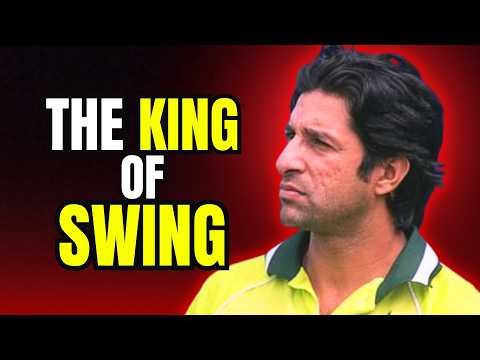
2. Wasim Akram – The Sultan of Swing

Pakistan’s Wasim Akram is another legendary figure in ODI bowling, with 502 wickets. Renowned for his ability to swing the ball both ways, Akram dominated batsmen with pace and precision. He played a key role in Pakistan’s 1992 World Cup victory, delivering crucial breakthroughs. His mastery over reverse swing, a technique perfected on subcontinental pitches, set new standards for fast bowlers worldwide.

Highest Wicket Taker in ODI

Highest Wicket Taker in ODI

3. Waqar Younis – The Express Pace Sensation

With 416 ODI wickets, Waqar Younis, also from Pakistan, is known for his toe-crushing yorkers and sharp pace. Waqar’s partnership with Wasim Akram formed one of the most formidable bowling duos in cricket history. He had an uncanny ability to dismiss top-order batsmen consistently, especially during high-pressure games, solidifying his reputation as one of the greatest ODI bowlers.

 Waqar Younis – The Express Pace Sensation

4. Shahid Afridi – The Aggressive Spinner

Shahid Afridi, with 395 ODI wickets, brought a mix of aggression and spin wizardry to the game. Known for his leg-spin and aggressive batting, Afridi often provided crucial breakthroughs when needed. His attacking style kept batsmen on their toes, and his unique celebrations made him a fan favorite worldwide. Afridi proved that attacking spin could be as effective as conventional line-and-length bowling in ODIs.

Highest Wicket Taker in ODI

5. Chaminda Vaas – The Silent Match-Winner

Sri Lanka’s Chaminda Vaas, with 400 ODI wickets, may not have had the limelight like Muralitharan, but his consistency and accuracy made him deadly. Vaas specialized in swing bowling, especially in early overs, and often provided early breakthroughs that shaped matches. His meticulous approach and ability to bowl under pressure made him a vital asset for Sri Lanka’s ODI side.

 Chaminda Vaas – The Silent Match-Winner

Highest Wicket Taker in ODI

Factors That Contribute to High Wicket-Taking Ability

Becoming the highest wicket taker in ODI is not accidental; it requires a combination of talent, strategy, and mental strength. Here are the key factors:

  • Consistency: Delivering accurate balls match after match builds pressure on batsmen.
  • Variation: Using slower balls, cutters, and bouncers keeps batsmen guessing.
  • Adaptability: Adjusting strategies according to pitch, weather, and batsmen’s weaknesses.
  • Fitness: Maintaining stamina over long careers is crucial, especially in ODIs.
  • Mental Toughness: Handling high-pressure situations and game-changing moments is vital.

Highest Wicket Taker in ODI

Memorable Records and Achievements

High wicket-takers often create unforgettable moments in cricket. For instance, Muralitharan’s 5-wicket hauls in World Cups, Wasim Akram’s iconic 5/15 against New Zealand in 1993, and Waqar Younis’ multiple 4-wicket spells against top teams highlight their dominance. These achievements not only add to their statistics but also inspire young cricketers around the world.

The Impact of Wicket-Takers on Team Success

A bowler’s ability to take wickets directly influences a team’s success in ODIs. Breaking partnerships early prevents the opposition from building a strong score. Additionally, wicket-taking bowlers often control the flow of runs, putting pressure on the batting side. The greatest wicket-takers in ODI history, therefore, have not only excelled individually but also contributed significantly to their team’s victories in World Cups and bilateral series.

Highest Wicket Taker in ODI

Comparing Modern and Past Wicket-Takers

While legends like Muralitharan and Akram dominated in the 1990s and early 2000s, modern bowlers like Trent Boult, Jasprit Bumrah, and Kagiso Rabada are redefining ODI bowling with pace, accuracy, and fitness. Although they may not have reached the sheer numbers of past legends yet, their impact on matches and innovative bowling techniques showcase the evolving nature of ODI cricket.

Conclusion

The journey to becoming the highest wicket taker in ODI cricket is filled with challenges, triumphs, and extraordinary performances. These bowlers have redefined the game, demonstrating that skill, consistency, and mental strength are essential for success. Their records inspire millions of aspiring cricketers worldwide, reminding everyone that wickets are not just statistics—they are moments of brilliance that can change the course of a match.

From Muttiah Muralitharan’s spinning magic to Wasim Akram’s swing mastery, each bowler on this list has left an indelible mark on cricket. Understanding their techniques, strategies, and mental resilience provides invaluable lessons for both fans and players, ensuring that the legacy of the highest wicket taker in ODI continues to inspire future generations.