Categories
Cricket News

Big Bash League History

The Big Bash League (BBL) is one of the most exciting Twenty20 cricket competitions in the world. Since its beginning, the tournament has captured the attention of cricket fans not only in Australia but across the globe. Known for its entertainment, fireworks, and star-studded lineups, the BBL has become more than just a cricket event—it is a complete sporting festival. However, to truly understand its popularity, one must take a closer look at the Big Bash League history. From its origins and early struggles to becoming a global cricket brand, the journey of the BBL is nothing short of fascinating.

Big Bash League History

The Birth of the Big Bash League

Before the Big Bash League, Australia already had a domestic T20 competition known as the Twenty20 Big Bash, which started in 2005–06. This league was run by Cricket Australia and featured state teams instead of city-based franchises. Although it attracted attention, officials realized that to compete with leagues like the Indian Premier League (IPL), they needed a more marketable and entertaining product.

As a result, in 2011, Cricket Australia introduced the Big Bash League in a completely new format. Unlike the state-based model, the BBL adopted a city-based franchise system, which made it easier for fans to connect with their teams. This transformation marked the true beginning of the modern Big Bash League history.


Big Bash League History

The First Season (2011–12)

The inaugural season of the BBL kicked off in December 2011 with eight city-based teams:

  1. Adelaide Strikers
  2. Brisbane Heat
  3. Hobart Hurricanes
  4. Melbourne Renegades
  5. Melbourne Stars
  6. Perth Scorchers
  7. Sydney Sixers
  8. Sydney Thunder

The league immediately attracted massive attention because of its glamorous presentation, use of international players, and thrilling matches. The Sydney Sixers won the very first BBL title, defeating the Perth Scorchers in the final. This victory set the stage for intense rivalries that would continue for years to come.


Early Challenges and Rapid Growth

At first, some critics doubted whether the league could sustain itself against bigger cricket tournaments worldwide. However, BBL managed to prove them wrong. Thanks to family-friendly timing, spectacular stadium experiences, and the inclusion of international stars, the tournament gained loyal followers.

By the third season, attendance records began to break, with crowds filling up iconic stadiums like the Melbourne Cricket Ground (MCG) and Sydney Cricket Ground (SCG). The league also benefited from high-quality television broadcasts, making it accessible to millions of households across Australia and overseas.


Big Bash League History

Dominance of the Perth Scorchers

When talking about the Big Bash League history, one cannot ignore the dominance of the Perth Scorchers. The team quickly built a reputation for consistency, reaching multiple finals in the early years. They won back-to-back titles in the 2013–14 and 2014–15 seasons and added more trophies in later editions. Their success turned them into one of the most respected franchises in the league.


Memorable Moments in BBL History

Over the years, the BBL has produced countless unforgettable moments that strengthened its reputation. Some of the highlights include:

  • Chris Lynn’s Power Hitting: Known for his explosive batting, Lynn became a fan favorite, smashing huge sixes and entertaining crowds year after year.
  • Brendon McCullum’s Impact: The New Zealand star brought flair and aggression, further raising the standard of the league.
  • Record Crowds: In 2016, over 80,000 fans attended a match at the MCG between Melbourne Stars and Melbourne Renegades, proving the league’s massive popularity.
  • Hat-tricks and Close Finishes: Bowlers like Andrew Tye and Rashid Khan delivered spectacular performances, reminding everyone that T20 cricket is not just about batting fireworks.

These events have created a treasure of memories in the Big Bash League history.


International Recognition

Although the BBL is based in Australia, its influence quickly spread worldwide. With international superstars such as Kieron Pollard, Andre Russell, AB de Villiers, Rashid Khan, and Shane Watson, the league gained a global following. Fans from Asia, Europe, and the Middle East started tuning in, making the BBL one of the most watched T20 leagues after the IPL.

Furthermore, the league’s professional structure and entertainment value inspired other countries to improve their own T20 tournaments. The Big Bash League history thus played a role in shaping the global cricket economy.


Innovations and Entertainment

One of the reasons behind the BBL’s success is its constant innovation. For example:

  • Colorful Team Kits: Bright uniforms gave each team a unique identity.
  • Family-Friendly Schedules: Matches often started in the evening, allowing families to attend together.
  • Fan Engagement: From fireworks to music, BBL matches feel like festivals.
  • Women’s Big Bash League (WBBL): Introduced in 2015, the WBBL became a groundbreaking step in promoting women’s cricket, giving female players a global platform.

These innovations turned the Big Bash League into more than just cricket—it became a cultural phenomenon.


Recent Developments

In recent seasons, the league has faced challenges such as player availability due to international schedules and competition from other global T20 leagues. However, Cricket Australia continues to adapt. With the rise of digital platforms, streaming services now allow fans worldwide to watch matches live. Moreover, younger Australian players use the BBL as a platform to showcase their talent, which benefits the national team as well.


Big Bash League Records and Champions

Over time, several teams have lifted the BBL trophy. Among them, the Perth Scorchers and Sydney Sixers have been the most successful franchises, winning multiple championships. The league has also witnessed incredible individual records, from highest scores to best bowling figures, enriching the Big Bash League history further.


Conclusion

The Big Bash League history is a story of vision, innovation, and passion for cricket. What started as a bold experiment in 2011 has grown into one of the biggest T20 tournaments in the world. With unforgettable moments, star players, and global recognition, the BBL has secured its place in cricket’s modern era. As the league continues to evolve, its impact on both Australian cricket and international T20 competitions remains undeniable.

In the end, the Big Bash League is not just about cricket—it is about entertainment, culture, and community spirit. And as long as fans continue to celebrate the game, the history of the Big Bash League will keep adding new and exciting chapters.

Categories
Cricket News

Virat Kohli vs Babar Azam

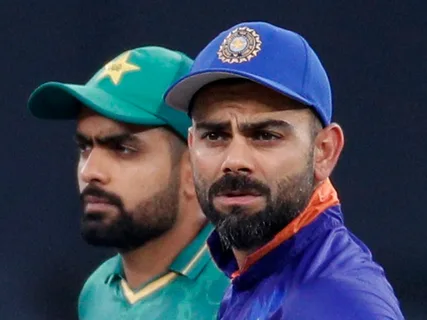
Cricket fans across the globe often engage in the hot debate of Virat Kohli vs Babar Azam. While Kohli has already established himself as one of the greatest batsmen in history, Babar is steadily rising as a modern-day maestro. Both players carry the expectations of millions, yet their approaches, records, and personalities bring a unique flavor to the sport. In this article, we will compare their journeys, styles, and achievements to better understand why this rivalry excites fans worldwide.

Virat Kohli vs Babar Azam

Virat Kohli vs Babar Azam

Early Journeys

Virat Kohli

Kohli first gained attention in 2008 when he captained India to victory in the U-19 World Cup. His aggressive batting and fearless attitude quickly earned him a spot in the senior team. By 2011, he was part of India’s World Cup-winning squad and soon became the backbone of the batting order.

Babar Azam

Babar made his international debut in 2015. His smooth cover drives and calm presence stood out immediately. Unlike Kohli, who rose to stardom very quickly, Babar built his career gradually but consistently. Within a few years, he became Pakistan’s most reliable run-scorer across formats.


Virat Kohli vs Babar Azam

Batting Style and Technique

Kohli is known for his aggression, superb chasing ability, and fitness-driven game. He rotates strike brilliantly, converts singles into doubles, and then capitalizes with boundaries. His cover drive is among the most beautiful shots in cricket.

Babar, on the other hand, is admired for his elegance and timing. His style is more classical, with clean drives and wristy flicks. While Kohli dominates bowlers with intensity, Babar builds his innings calmly, often accelerating later in the game.


Virat Kohli vs Babar Azam

Records and Achievements

Virat Kohli

  • More than 26,000 international runs.
  • Over 80 international centuries, second only to Sachin Tendulkar.
    Fastest player in cricket history to reach 8,000, 9,000, 10,000, 11,000, and 12,000 ODI runs, proving his dominance in one-day internationals.” Led India to historic Test wins, including the 2018–19 series victory in Australia.

Babar Azam

  • Ranked consistently among the top three ICC batsmen in all formats.
  • Fastest Pakistani batsman to reach 1,000, 2,000, 3,000, 4,000, and 5,000 ODI runs, showcasing his unmatched consistency.
  • One of the few players to maintain an ODI average above 55.
  • First Pakistani to score centuries in three consecutive T20 internationals.

Virat Kohli vs Babar Azam

Captaincy and Leadership

Kohli captained India from 2013 to 2022. His aggressive style motivated his team, especially in Tests, where India became the No. 1 ranked side for years. However, his critics point out the lack of ICC trophies under his leadership.

Babar became Pakistan’s captain in 2020. His calm approach is very different from Kohli’s. He has built a young, competitive side and led them to the semi-final of the 2021 T20 World Cup. While trophies are still missing, his leadership has brought stability to Pakistan cricket.


Head-to-Head Encounters

Because India and Pakistan rarely play bilateral series, their face-offs happen mostly in ICC tournaments.

  • 2019 World Cup: Kohli scored a vital fifty, while Babar also impressed but couldn’t secure a win for Pakistan.
  • 2021 T20 World Cup: Babar’s unbeaten 68 guided Pakistan to a famous 10-wicket victory, overshadowing Kohli’s half-century.

These encounters show that both deliver when pressure is at its peak.


Fitness and Consistency

Virat Kohli is widely recognized as the fitness icon of modern cricket, setting new training standards and inspiring athletes around the world. His strict diet and training revolutionized Indian cricket’s fitness culture. This discipline has allowed him to perform at the highest level for over 15 years.

Babar may not have Kohli’s fitness aura, but his consistency is exceptional. His averages across formats remain among the best, proving his ability to score runs in all conditions.


Virat Kohli vs Babar Azam

Popularity and Influence

Kohli is one of the most followed athletes in the world, with a huge fan base on social media and global brand endorsements. His name has become almost synonymous with modern cricket.

Babar is also immensely popular, especially in Pakistan and other cricket-loving nations. His humble personality and stylish batting make him a role model for young cricketers.


Quick Stats Comparison

Key Factor (Virat Kohli vs Babar Azam)Virat Kohli RecordsBabar Azam Records
Debut20082015
International Runs26,000+12,000+
Centuries80+30+
ODI Average58+56+
T20I Average50+45+
Captaincy Wins135+80+

Virat Kohli vs Babar Azam

Who Is Better?

The Virat Kohli vs Babar Azam debate does not have a clear winner. Kohli’s unmatched records, passion, and longevity place him among the all-time greats. Babar, however, is on a journey to greatness with elegance, consistency, and hunger for runs. Kohli may already be a legend, but Babar is still rising and could well join him in cricket’s hall of fame.


Conclusion

When discussing Virat Kohli vs Babar Azam, it is important to celebrate their brilliance rather than pit them against each other. Kohli represents aggression and dominance, while Babar reflects grace and consistency. For fans, it is a privilege to watch two masters of the game in the same era. Ultimately, cricket itself is the true winner.

Categories
Cricket News

Highest Run Scored in ODI

One Day International (ODI) cricket is a format where batting brilliance and bowling strategy come together. Over the years, the sport has evolved, and with it, the numbers on the scoreboard have skyrocketed. Fans today often ask about the highest run scored in ODI, both by teams and individual players. These records represent not just numbers but stories of determination, innovation, and power hitting.

In this article, we’ll explore the top scores in ODI cricket, how they were achieved, and why they hold such significance in cricket history.Highest Run Scored in ODI


Highest Run Scored in ODI

Rise of High Scoring in ODIs

When ODI cricket began in the early 1970s, even a total of 200 runs in 60 overs was competitive. Pitches were bowler-friendly, bats were heavier, and field restrictions were limited. However, over time, several changes pushed scores higher:

  • Powerplays allowed batsmen to attack early.
  • Modern bats made it easier to hit sixes.
  • Fitness and shot variety gave players confidence to sustain long innings.
  • T20 influence encouraged fearless hitting throughout the innings.

As a result, totals above 300 are now common, and scores beyond 400 no longer surprise fans.


Highest Run Scored in ODI

The team total often sets the stage for thrilling matches. Let’s look at the best in history.

1. England – 498/4 vs Netherlands (2022)

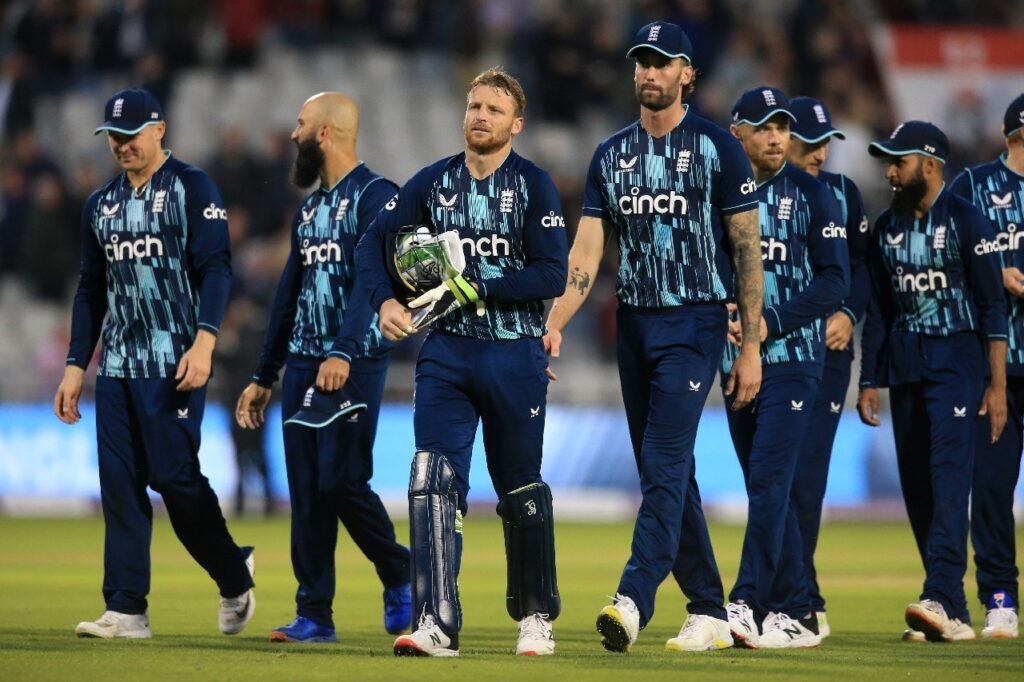
England holds the record for the highest run scored in ODI by a team. In 2022, they smashed 498/4 against the Netherlands in Amstelveen. Jos Buttler’s destructive 162 (70 balls) and contributions from Phil Salt and Dawid Malan left the opposition helpless.

England cricket team celebrates record 498 runs, highest team score in ODI history.

Highest Run Scored in ODI

2. England – 481/6 vs Australia (2018)

Four years earlier, England shocked Australia by posting 481 runs at Trent Bridge. This innings reflected their fearless batting revolution after the 2015 World Cup.

England team scoring 481 runs against Australia, one of the highest ODI totals.

3. Sri Lanka – 443/9 vs Netherlands (2006)

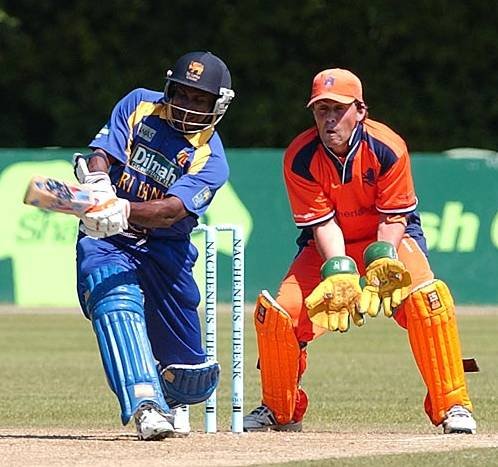
Before England’s dominance, Sri Lanka scored 443 runs in 2006 against the Netherlands. Jayasuriya and Dilshan powered the innings, proving Asian teams could also set massive totals.

Sri Lanka cricket team posts 443 runs against Netherlands, historic ODI total.

Highest Team Score in ODI Cricket

4. South Africa – 439/2 vs West Indies (2015)

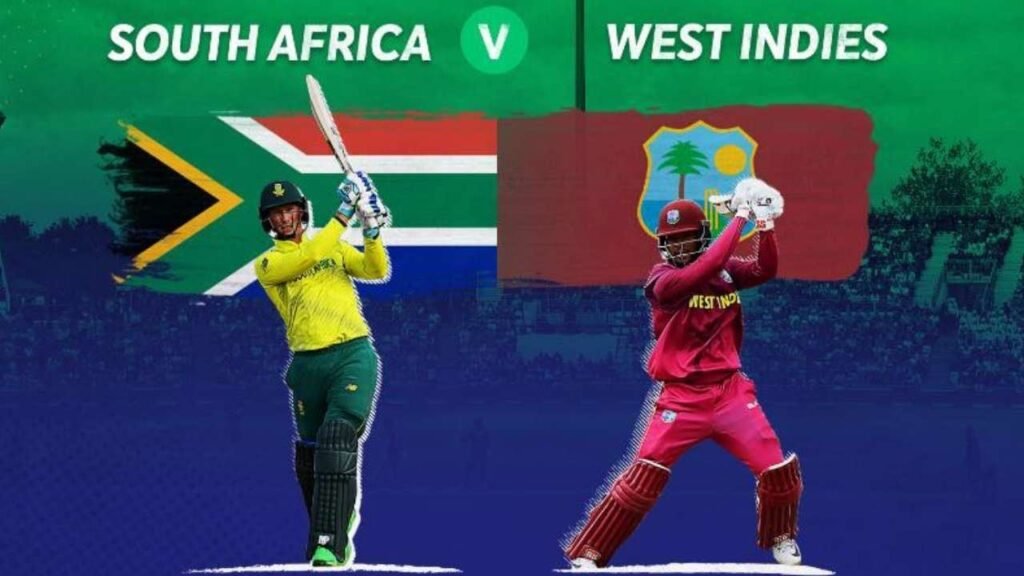
South Africa destroyed the West Indies with 439 runs, thanks to AB de Villiers’ record-breaking 31-ball century. His innings is still regarded as one of the greatest in ODI history.

South Africa team celebrates 439 runs with AB de Villiers fastest century in ODI.

Highest Individual Score in ODI Cricket

While team totals are impressive, individual brilliance excites fans even more. The highest run scored in ODI by a batsman reflects mental toughness and skill.

1. Rohit Sharma – 264 Runs vs Sri Lanka (2014)

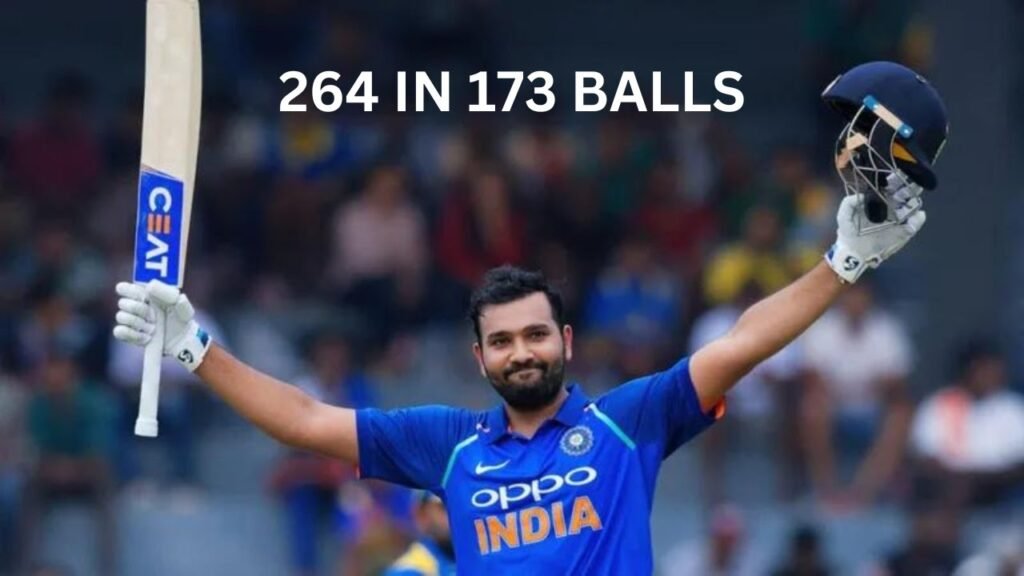
Indian opener Rohit Sharma holds the all-time record. His 264 runs at Eden Gardens in 2014 came off 173 balls with 33 fours and 9 sixes. This remains unbeaten and is often considered the pinnacle of ODI batting.

Rohit Sharma celebrates scoring 264 runs, highest individual run in ODI cricket.

Highest Team Score in ODI Cricket

2. Martin Guptill – 237* Runs vs West Indies (2015)

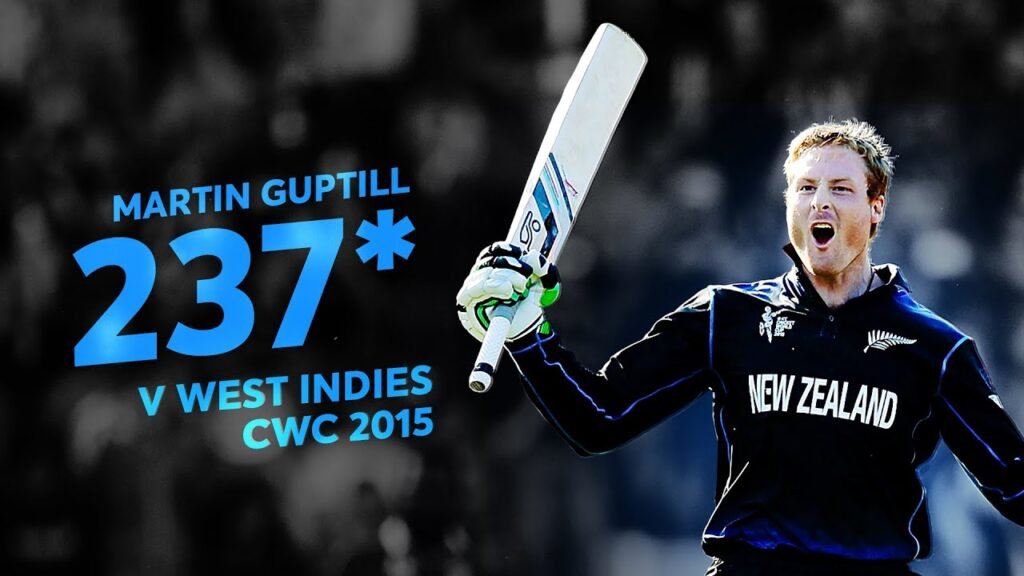
In the 2015 World Cup quarter-final, New Zealand’s Guptill played an unforgettable knock of 237 not out, guiding his team to victory with power and elegance.

Martin Guptill raises bat after 237 not out in ODI World Cup match.

Highest Run Scored in ODI

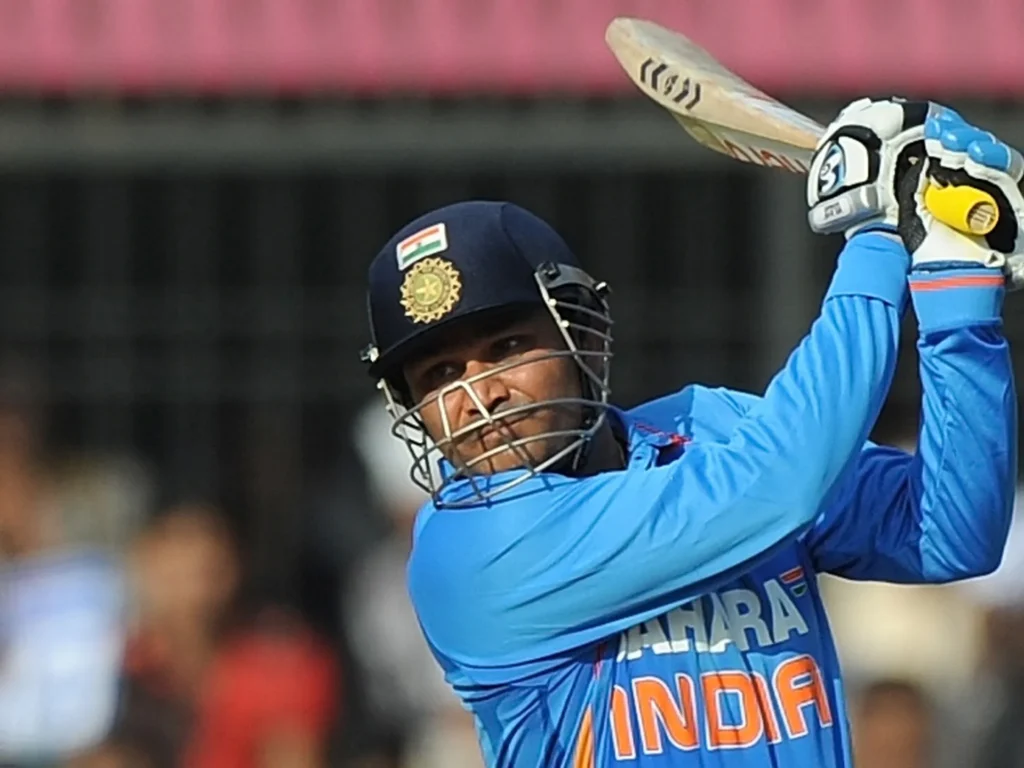
3. Virender Sehwag – 219 Runs vs West Indies (2011)

Sehwag became the second batsman to reach 200 in ODIs with his 219 runs in 2011. His fearless batting set the tone for future openers to aim big.

Virender Sehwag celebrates 219 runs, double century in ODI against West Indies.

Highest Run Scored in ODI

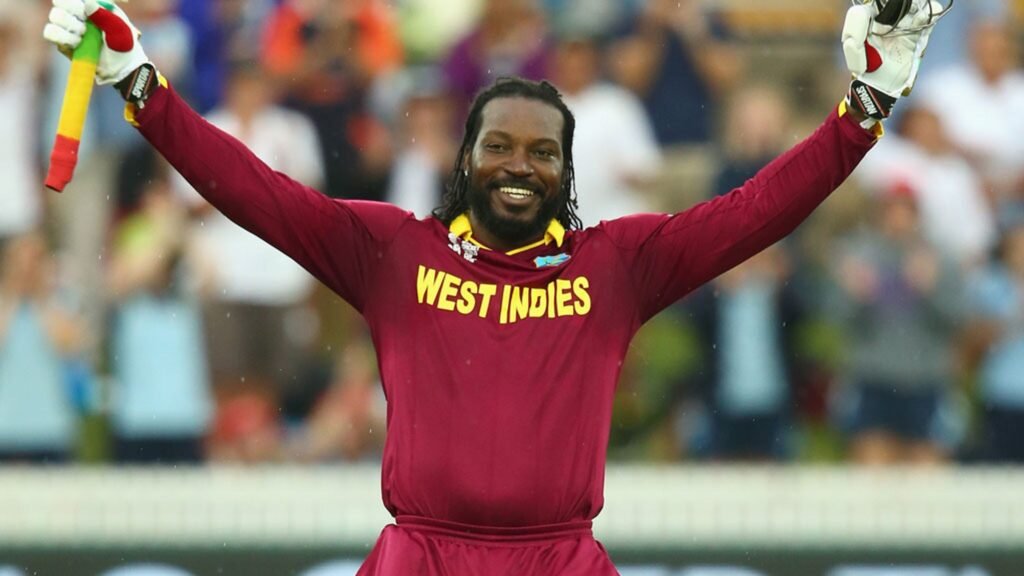
4. Chris Gayle – 215 Runs vs Zimbabwe (2015)

Known as the “Universe Boss,” Gayle smashed 215 runs in the 2015 World Cup. His six-hitting ability left fans around the world stunned.

Chris Gayle hitting sixes during his 215 runs in ODI World Cup match.

Highest Run Scored in ODI

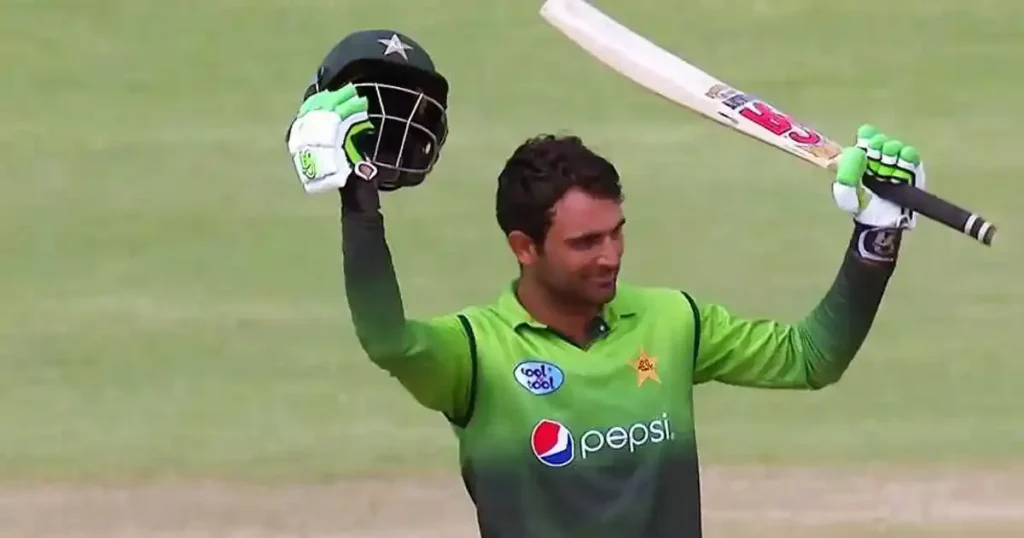
5. Fakhar Zaman – 210* Runs vs Zimbabwe (2018)

Fakhar Zaman made history for Pakistan by scoring 210 not out in 2018. He became the first Pakistani to cross 200 in ODIs, marking a proud moment for his nation.

Fakhar Zaman celebrates 210 not out, first Pakistani double century in ODI cricket.

What Makes These Scores Possible?

Looking at these records, some patterns become clear:

  • Flat batting pitches with little help for bowlers.
  • Shorter boundaries that favor big hitters.
  • Aggressive intent inspired by T20 cricket.
  • Partnerships that allow batsmen to build and then accelerate.

These conditions, combined with fearless mindsets, have redefined what’s possible in ODI cricket.


Highest Run Scored in ODI

The Question of 300 Runs in an ODI

Cricket fans often wonder if anyone can score 300 runs in an ODI. Before 2010, even a double century seemed impossible, yet today several batsmen have crossed that milestone. Considering fitness levels, better equipment, and flat tracks, a 300-run innings might not be too far away. Players like Rohit Sharma, Jos Buttler, or young stars like Shubman Gill could make it happen.


Why These Records Matter

The highest run scored in ODI records are more than just milestones. They:

  • Inspire young cricketers to push limits.
  • Keep fans hooked to the excitement of the game.
  • Highlight how cricket has evolved from defensive to aggressive styles.
  • Maintain ODI relevance even in the age of T20 leagues.

Each record is a story of dominance and passion, motivating future generations to dream big.


Highest Run Scored in ODI

Conclusion

The journey of ODI cricket from 200-run matches to totals close to 500 reflects how much the game has transformed. The highest run scored in ODI whether Rohit Sharma’s 264 or England’s 498, are landmarks that symbolize batting brilliance at its peak. With changing dynamics and fearless cricketers, the future could bring even greater milestones—perhaps a 300 by an individual or a 500+ by a team.

Until then, these records stand as shining examples of how far ODI cricket has come and how much further it can go.