Categories
Cricket News

History of cricket game

Cricket is more than just a sport; it’s a passion, a tradition, and a unifying force across many nations. The History of cricket game is a fascinating journey that stretches over centuries, evolving from a simple village pastime into one of the most celebrated sports in the world. From the grassy fields of England to the bustling stadiums of India, Australia, and Pakistan, cricket has grown into a global phenomenon. This article explores the rich history of cricket, its origins, evolution, and how it became the heart of millions worldwide.

History of cricket game

History of cricket game

The Origins of Cricket

The story of cricket begins in the 16th century, in the southeastern counties of England. Historians believe that the game was first played by children using a wooden stick and a small ball in open fields. The earliest definite reference to cricket dates back to 1598, when a court case in Guildford mentioned the game being played by schoolboys. Initially, it was considered a rural pastime, but by the 17th century, adults had embraced it as a competitive sport.

As time passed, cricket’s popularity spread across English villages. The game’s informal nature and simple equipment made it accessible to people of all classes. By the late 1600s, organized matches started taking place, often involving local communities or aristocrats sponsoring teams. This was the humble beginning of what would become one of the most followed sports globally.


Cricket in the 18th Century

The 18th century was a turning point in the history of cricket game. It was during this period that cricket began to take a structured form. The London Cricket Club, formed around 1700, played a vital role in promoting the sport. Soon after, the famous Marylebone Cricket Club (MCC) was established in 1787, and it became the governing body for cricket laws — a position it still holds today.

Cricket also started spreading beyond England. As the British Empire expanded, so did the game. British sailors, soldiers, and traders introduced cricket to their colonies, including India, the West Indies, South Africa, and Australia. This global spread laid the foundation for cricket’s international status.

One of the most significant milestones of this era was the formalization of the Laws of Cricket by the MCC in 1788. These laws standardized the dimensions of the pitch, the weight of the ball, and even the number of stumps used. The evolution of equipment also began during this period — bats became more refined, and protective gear slowly started developing.


History of cricket game

Cricket in the 19th Century

The 19th century witnessed a massive transformation in cricket’s organization and reach. The invention of the railway system in England allowed teams and fans to travel across the country, enabling more competitive matches. Cricket clubs flourished, and first-class cricket emerged as a recognized standard of play.

During this period, international cricket was born. The first-ever official Test match was played in 1877 between England and Australia at the Melbourne Cricket Ground. This match marked the beginning of a new era and established a rivalry that continues to define the sport — the legendary Ashes Series.

Cricket also became deeply rooted in colonial countries. India’s first cricket club, the Calcutta Cricket Club, was established in 1792. By the mid-1800s, cricket was played in schools, universities, and public grounds across the Indian subcontinent. It soon became more than a game — it became part of the cultural fabric.


The 20th Century: Cricket’s Global Expansion

The 20th century turned cricket into a global spectacle. More countries began participating in international matches, and cricket boards were established in nations like India (1928), South Africa, New Zealand, and the West Indies. The formation of the International Cricket Council (ICC) in 1909, initially known as the Imperial Cricket Conference, formalized international governance.

Test cricket remained the dominant format for many decades, but the introduction of limited-overs cricket in the 1960s changed everything. In 1971, the first-ever One Day International (ODI) was played between England and Australia. The shorter format attracted new audiences, making cricket faster, more exciting, and television-friendly.

The Cricket World Cup, first held in 1975, became one of the biggest sporting events in the world. The West Indies dominated the early years, while India’s stunning 1983 World Cup victory under Kapil Dev inspired millions across Asia. From that moment, cricket became not just a sport but a symbol of national pride and unity.

The late 20th century also saw the rise of cricketing legends like Sachin Tendulkar, Brian Lara, Wasim Akram, and Shane Warne, who took the game to new heights. Their performances drew huge crowds and inspired generations of players worldwide.


History of cricket game

The Modern Era of Cricket

As the 21st century began, cricket underwent yet another transformation with the introduction of Twenty20 (T20) format in 2003. The T20 format revolutionized the sport with its high-energy, fast-paced gameplay designed for modern audiences. It brought cricket to the younger generation and increased global viewership dramatically.

The launch of the Indian Premier League (IPL) in 2008 changed cricket forever. Combining entertainment, glamour, and world-class competition, the IPL became one of the most watched sporting leagues globally. Following its success, several other domestic T20 leagues emerged in countries like Australia (Big Bash League) and Pakistan (PSL).

Technology also became an integral part of modern cricket. Innovations like Decision Review System (DRS), Hawk-Eye, and Snickometer enhanced fairness and accuracy. Social media platforms gave fans direct access to players, turning cricket into a digital and interactive experience.

Women’s cricket also gained remarkable attention in recent years. The growth of tournaments like the ICC Women’s World Cup and Women’s Premier League (WPL) has proven that cricket is truly a game for everyone.


Cricket’s Cultural Impact

Cricket has always been more than just a sport; it’s an emotion that connects billions. In countries like India, Pakistan, England, and Australia, cricket is almost a religion. The game has inspired films, literature, and music. It has bridged political and cultural divides, often serving as a medium of diplomacy between nations.

The values cricket teaches — teamwork, patience, respect, and discipline — have made it a beloved game across generations. Whether played in a professional stadium or on a dusty street, cricket unites people from every walk of life.


History of cricket game

Conclusion

The history of cricket game is a remarkable story of evolution, resilience, and passion. From its humble beginnings in English villages to the grand stadiums hosting world cups, cricket has continued to inspire and entertain. Each era has added something new to the game — from the timeless charm of Test cricket to the electrifying energy of T20 matches.

Cricket’s journey is far from over. With technology, inclusivity, and global expansion driving its future, the spirit of cricket continues to grow stronger. It remains a timeless reminder that sports can unite nations, inspire dreams, and create history — one match at a time.
Categories
Cricket News

shoaib akhtar fastest ball record

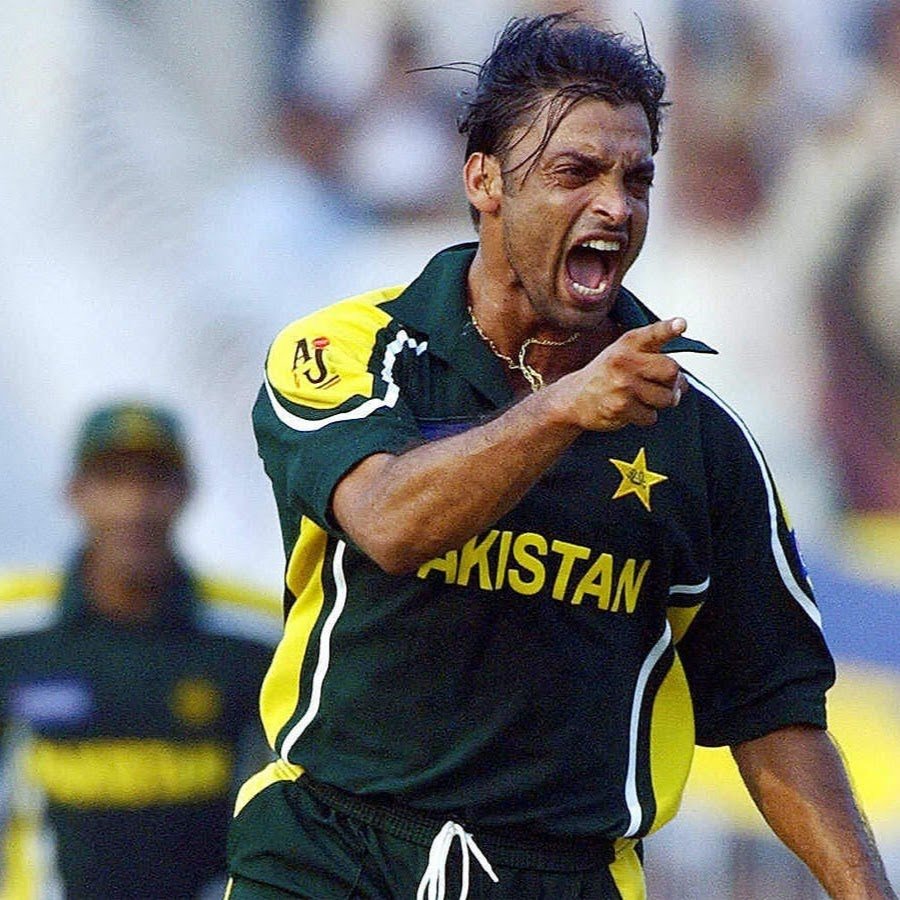
In the world of cricket, speed is not just a number—it’s a symbol of power, dominance, and raw talent. Among all the fast bowlers who have graced the game, one name stands tall: Shoaib Akhtar, famously known as the Rawalpindi Express. His record-breaking delivery, clocked at 161.3 km/h (100.23 mph), remains the fastest ball ever bowled in cricket history. This incredible feat, achieved during the 2003 Cricket World Cup against England, has become a milestone that no other bowler has been able to surpass.

Shoaib Akhtar’s fastest ball is not just a statistic—it’s a story of relentless passion, unmatched dedication, and the willpower of a man who refused to be ordinary. Let’s explore how he achieved this record, the science behind his bowling speed, and why his name still echoes as the Speed King of Cricket.

shoaib akhtar fastest ball record

shoaib akhtar fastest ball record

The Journey of Shoaib Akhtar – From Rawalpindi to World Fame

Born on August 13, 1975, in Rawalpindi, Pakistan, Shoaib Akhtar grew up with dreams larger than life. His childhood was filled with struggle, yet his passion for cricket burned brighter every day. Without access to high-end training or facilities, Shoaib relied on his natural strength and athleticism. He used to run miles daily, often barefoot, to build stamina and leg power.

His debut for Pakistan came in 1997 against the West Indies. From that moment, fans and players alike noticed something different—his speed was terrifying. Batsmen found themselves reacting late, wickets shattered, and umpires struggled to keep up with the pace. He wasn’t just fast; he was lightning in human form.


The Fastest Ball in Cricket History – 161.3 km/h (100.23 mph)

The record-breaking delivery came during the 2003 ICC Cricket World Cup in South Africa. Pakistan was facing England at Cape Town when Shoaib Akhtar unleashed his historic ball. The speed gun displayed 161.3 km/h, making it the fastest ball ever recorded in international cricket.

That delivery wasn’t an accident—it was a product of years of hard work, perfect biomechanics, and an aggressive mindset. Shoaib’s run-up was long and explosive, his arm speed unmatched, and his body coordination perfect. He used every ounce of energy from his legs, hips, and shoulders to transfer momentum into the ball. The result was pure magic—a delivery so fast that it stunned even the commentators.


shoaib akhtar fastest ball record

How Shoaib Akhtar Achieved Such Speed

Many experts have analyzed Shoaib’s technique to understand how he could generate such incredible velocity. Here are some key factors:

  1. Explosive Run-up: Shoaib’s 20-step sprinting run-up helped him build tremendous momentum before release.
  2. Perfect Timing: His front-leg block and wrist snap at the point of release were biomechanically flawless.
  3. Strong Core Muscles: Years of training strengthened his lower body and back, allowing him to handle the physical stress of fast bowling.
  4. Aggressive Mindset: Shoaib’s mental strength and hunger to be the fastest pushed him beyond physical limits.
  5. Natural Talent: Not every bowler is born with such a combination of power and flexibility. Shoaib had both in abundance.

Other Fast Deliveries by Shoaib Akhtar

While 161.3 km/h is his most famous ball, Shoaib consistently bowled above 150 km/h throughout his career. Some of his notable fast deliveries include:

  • 161.0 km/h – Against New Zealand in 2002
  • 159.5 km/h – Against India in 2003
  • 157.4 km/h – Against South Africa in 1999

This consistency in high-speed bowling is what separates Shoaib from other fast bowlers. Even when injured, he managed to deliver thunderbolts that terrified batsmen.


The Legacy of the Rawalpindi Express

Shoaib Akhtar wasn’t just about speed—he was a performer. His aggressive body language, roaring celebrations, and fiery stare at batsmen made cricket thrilling. Fans would wait just to see him bowl one over. His duels with players like Sachin Tendulkar, Brian Lara, and Ricky Ponting became legendary moments in cricket history.

Even after retirement, no bowler has managed to touch or break his record. Names like Brett Lee, Shaun Tait, and Mitchell Starc came close but still fell short of that magical number. Shoaib’s 161.3 km/h remains the Everest of fast bowling, standing tall as a symbol of human capability.


shoaib akhtar fastest ball record

Impact on Modern Fast Bowlers

Shoaib Akhtar’s influence can be seen in almost every modern fast bowler. His style inspired a generation to train harder, bowl faster, and challenge limits. Bowlers like Jasprit Bumrah, Haris Rauf, and Lockie Ferguson openly admire his energy and aggression.

In today’s cricket, where fitness and technology play key roles, coaches still study Shoaib’s bowling mechanics. His example proves that raw passion combined with science can create extraordinary results.


Shoaib Akhtar’s Fitness and Struggles

Behind his success was a story of pain and sacrifice. Shoaib suffered from multiple knee injuries throughout his career, and doctors often advised him to stop bowling. Yet, his determination kept him going. He trained harder than anyone, spending hours in the gym and focusing on recovery.

He once said, “Pain is temporary, pride is forever.” That mindset made him a legend. Even when critics doubted him, he came back stronger every time. His journey is a lesson in resilience and belief.


shoaib akhtar fastest ball record

Why Shoaib Akhtar’s Record Still Stands

Despite the advancement in sports science, no bowler has broken Shoaib’s record. The reason lies in the combination of raw athleticism, technique, and mental aggression he possessed. Modern players rely more on accuracy and swing, while Shoaib bowled with fearless pace.

Moreover, with stricter fitness rules and workload management, bowlers today rarely attempt to push themselves to such extremes. Shoaib’s era was different—bowlers played for pride and legacy, not just statistics. That’s why his 161.3 km/h remains untouched.


Conclusion

The Shoaib Akhtar fastest ball record is not merely a number on a speed gun—it’s a piece of cricketing history that celebrates courage, passion, and human potential. From Rawalpindi’s streets to the world’s grandest stadiums, Shoaib Akhtar proved that limits exist only to be broken.

Even two decades later, his name continues to strike awe and admiration among fans. The Rawalpindi Express may have retired, but his spirit of speed, fire, and pride still runs through the veins of cricket lovers worldwide. Until someone bowls faster than 161.3 km/h, Shoaib Akhtar will forever remain the undisputed king of fast bowling.

Categories
Cricket News

virat kohli vs babar azam comparison

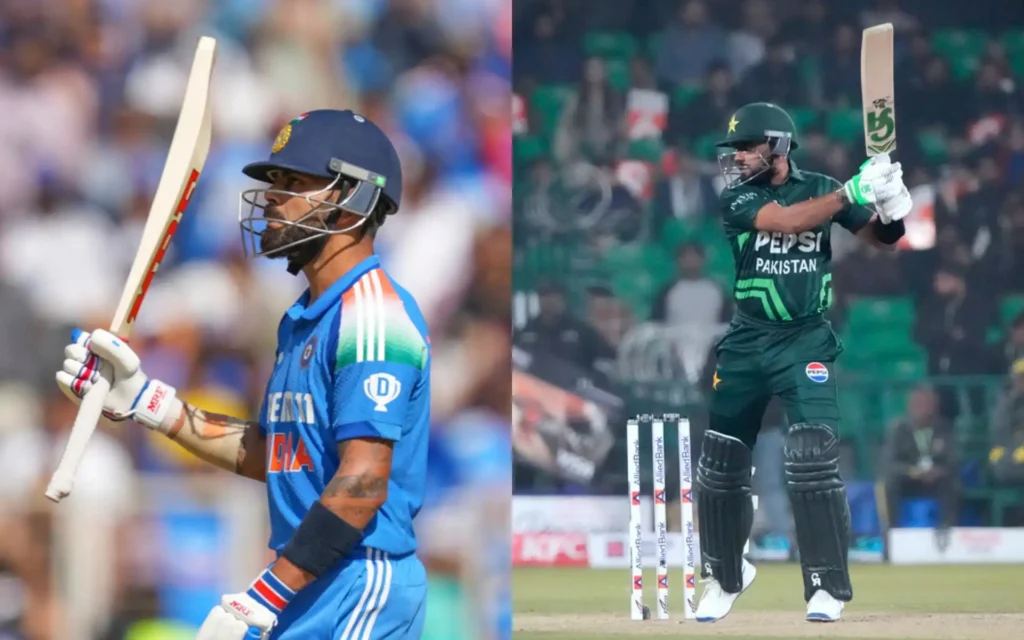
Cricket has always been a game of rivalries, from Tendulkar vs Lara to Ponting vs Dravid. In modern times, the most fascinating debate centers around Virat Kohli vs Babar Azam. Both are extraordinary batsmen who have ruled world cricket with elegance, aggression, and consistency. Fans across the globe often compare their batting styles, records, and leadership qualities. This comparison is not just about numbers but also about the impact, temperament, and class each brings to the game. Let’s dive deep into a fair and analytical Virat Kohli vs Babar Azam comparison to see who truly stands taller in world cricket today.

virat kohli vs babar azam comparison

Early Career and Rise to Stardom

Virat Kohli burst onto the international scene in 2008 after leading India to victory in the Under-19 World Cup. His aggression, confidence, and hunger for runs made him an instant favorite. Within a few years, he became the backbone of India’s batting lineup, consistently performing across formats and conditions. His early years were marked by dedication and passion to become the best, which he eventually achieved through sheer determination.

On the other hand, Babar Azam entered international cricket in 2015. Coming from Pakistan’s strong domestic circuit, he quickly made his mark with his elegant stroke play and calm demeanor. Unlike many Pakistani batsmen before him, Babar’s technique and temperament stood out immediately. Within just a few years, he became the most reliable batsman for Pakistan, drawing comparisons with legends like Kohli and Root. His rise was steady, and he soon became the captain and face of Pakistan cricket.


virat kohli vs babar azam comparison

Batting Technique and Style

One of the biggest reasons for the Virat Kohli vs Babar Azam debate is their batting style. Kohli is known for his controlled aggression. His cover drives, wristy flicks, and quick singles define his dynamic approach. He combines classical cricket shots with modern innovation, making him dangerous in all formats. Kohli thrives under pressure, especially in run chases. His ability to pace an innings and finish matches makes him one of the best chasers in cricket history.

In contrast, Babar Azam’s batting is pure elegance. His balance at the crease, timing, and ability to find gaps are unmatched. He rarely looks in a hurry yet manages to maintain a high strike rate. Babar’s strength lies in his consistency and flawless technique, which reminds fans of traditional batting greats. While Kohli attacks with emotion, Babar conquers with grace. This difference in approach makes their comparison even more intriguing.


virat kohli vs babar azam comparison

Statistical Comparison

Let’s explore the numbers that fuel the Virat Kohli vs Babar Azam debate.
As of now, Virat Kohli has over 26,000 international runs across formats with 80+ centuries. His batting average remains above 50 in all formats—a rare achievement in modern cricket. Kohli’s ODI and T20I records are particularly outstanding, with numerous match-winning knocks and centuries in pressure situations. His fitness and intensity have set new standards for players worldwide.

Babar Azam, though younger and with fewer matches, already has over 12,000 international runs with a healthy average above 50 in ODIs and around 45 in Tests. He holds records for being the fastest player to reach 1,000, 2,000, and 3,000 ODI runs for Pakistan. His consistency in all three formats is remarkable, especially considering Pakistan’s unpredictable cricket environment. Babar may not have Kohli’s experience yet, but his current trajectory suggests he could break several records in the future.


Leadership and Captaincy Skills

Both Kohli and Babar have had the honor of leading their national teams. Kohli’s captaincy era was defined by aggression, discipline, and fitness revolution. Under his leadership, India became a dominant force in Test cricket, winning series in Australia and competing fiercely in England and South Africa. However, his intense nature sometimes drew criticism, especially in high-pressure moments. Despite this, Kohli inspired a generation of Indian cricketers with his passion and professionalism.

Babar Azam, in comparison, leads with calmness and composure. His approach is strategic rather than emotional. He has successfully built a young Pakistani team capable of competing against the best. Under Babar’s captaincy, Pakistan reached the semifinals and finals of major ICC tournaments, showing growth and unity. Though he still has much to learn as a leader, Babar’s maturity and humility have earned him respect worldwide.


virat kohli vs babar azam comparison

Consistency and Performance Under Pressure

When discussing consistency, Kohli’s name often tops the list. His ability to perform in any condition against any opponent is phenomenal. Be it chasing 300+ scores or rescuing India from collapse, Kohli has done it repeatedly. His mental strength and fitness level allow him to stay at the top for over a decade, which is rare in modern cricket.

Babar Azam, too, has shown exceptional consistency. Since 2019, he has maintained an average above 50 across formats and is often the lone warrior for Pakistan in difficult situations. His performances in high-stakes matches, especially against India or in World Cups, prove his temperament. The difference lies in experience—Kohli has faced challenges for over 15 years, while Babar is still writing his story.


Off the Field Impact and Personality

Beyond the cricket field, Kohli and Babar are icons in their countries. Kohli’s influence extends far beyond cricket—he is a global brand ambassador known for fitness, discipline, and philanthropy. His outspoken nature and charisma make him a fan favorite and a role model for young athletes worldwide.

Babar Azam, meanwhile, represents humility and grace. His soft-spoken nature and sportsmanship have earned him admiration globally. He may not be as vocal as Kohli, but his quiet confidence and gentlemanly conduct add to his charm. Off the field, Babar’s growing popularity on social media and among youth shows his expanding influence.


virat kohli vs babar azam comparison

Records and Milestones

Kohli has shattered numerous records—fastest to 8,000, 9,000, 10,000, and even 12,000 ODI runs, along with most centuries in chases. He has been ICC Cricketer of the Year multiple times and led India to the top of Test rankings.

Babar, though still early in his career, has already achieved milestones like being ICC’s number one ODI batsman and maintaining the top ranking for years. His record in T20Is is exceptional, with numerous match-winning innings and partnerships. Both players have redefined batting in their own ways.


Conclusion – Who Is Better?

So, in the Virat Kohli vs Babar Azam comparison, who stands superior? The answer depends on perspective. Kohli, with his longevity, records, and impact, remains one of the greatest batsmen ever. His achievements and intensity have already placed him among cricket legends.

Babar Azam, however, symbolizes the future of cricket. With his calm temperament, technical brilliance, and consistent performances, he is on the path to greatness. If he continues with the same discipline and passion, he could even surpass many of Kohli’s records in the coming years.

In the end, rather than comparing, fans should celebrate both—Kohli, the established king, and Babar, the rising prince of modern cricket. Their rivalry makes the sport richer, their excellence inspires millions, and their performances ensure that the golden age of batting continues.

Categories
Cricket News

mohammad amir babar azam

In the ever-evolving world of Pakistani cricket, few names have captured as much attention as Mohammad Amir and Babar Azam. Both players have played significant roles in shaping the country’s modern cricketing image. While Amir stunned the world with his raw pace and swing bowling, Babar emerged as a batting genius who represents elegance, consistency, and class. Their stories, though vastly different, are connected by the common thread of passion, talent, and the never-ending expectations of Pakistan’s cricket fans.

mohammad amir babar azam

mohammad amir babar azam

The Early Spark of Mohammad Amir

Mohammad Amir’s journey in cricket is nothing short of a movie script. Born in 1992 in Gujar Khan, Pakistan, he began playing cricket at a very young age. His smooth bowling action, natural swing, and control impressed everyone around him. At just 17, Amir made his international debut for Pakistan, quickly becoming one of the youngest fast bowlers to make an impact in world cricket. His performances against top teams like Australia and England showcased his immense potential.

Amir’s ability to move the ball both ways at high speed made him a nightmare for batsmen. Many compared his bowling style to the legendary Wasim Akram. Within a short period, he became a vital part of Pakistan’s bowling attack. Unfortunately, Amir’s career faced a sudden downfall in 2010 due to a spot-fixing scandal that shocked the cricket world. This incident sidelined him for several years, halting a career that had just begun to blossom.


mohammad amir babar azam

The Comeback of a Fighter

When Mohammad Amir returned to international cricket in 2016 after serving his ban, fans were divided. Some welcomed him with open arms, while others were hesitant to forgive his past mistakes. But Amir, determined to prove himself, worked harder than ever. His comeback wasn’t easy, but his performance in the 2017 ICC Champions Trophy final against India silenced his critics. In that iconic match, Amir dismissed Rohit Sharma, Virat Kohli, and Shikhar Dhawan — India’s top three batsmen — in quick succession, setting the stage for Pakistan’s memorable victory.

That spell reminded everyone of his brilliance. Amir’s redemption story became an inspiration for many young cricketers. Though he retired from international cricket in 2020 due to personal reasons and conflicts with management, his impact on Pakistan cricket remains undeniable.


mohammad amir babar azam

Babar Azam – The Modern Maestro

On the other hand, Babar Azam represents the new face of Pakistan cricket — composed, classy, and technically sound. Born in 1994 in Lahore, Babar’s journey began under the guidance of his cousins Kamran and Umar Akmal, both former Pakistan cricketers. His early exposure to cricket helped him develop discipline and focus from a young age. Babar quickly rose through the domestic ranks and made his international debut in 2015.

Unlike many players who take time to adapt, Babar displayed remarkable consistency right from the beginning. His cover drives, wrist work, and calm temperament earned comparisons with modern-day greats like Virat Kohli and Kane Williamson. With each passing series, Babar strengthened his position not only as Pakistan’s main batsman but also as one of the finest in the world.


mohammad amir babar azam

Leadership and Legacy

Babar Azam’s journey as a leader has been equally impressive. He took over the captaincy at a time when Pakistan cricket was facing instability. Under his leadership, the team has shown improvement in batting depth, fielding standards, and overall discipline. His calm and composed personality reflects in his captaincy style — leading by example rather than emotion.

Despite facing criticism for tactical decisions, Babar’s record as a captain speaks volumes. He guided Pakistan to the semi-final of the 2021 T20 World Cup and the final of the 2022 T20 World Cup, proving his ability to lead on the global stage. His consistent performance across formats has made him one of the top-ranked batsmen in ICC rankings for several years.


The Contrast Between Amir and Babar

While Mohammad Amir and Babar Azam belong to different cricketing disciplines — bowling and batting — their careers highlight the two sides of Pakistan’s cricketing identity. Amir’s story is about raw talent, mistakes, and redemption. Babar’s journey, however, is about discipline, patience, and perseverance. Amir’s game revolved around aggression and unpredictability, while Babar’s is built on precision and calmness.

Interestingly, both players have often expressed mutual respect for each other. Babar has praised Amir’s bowling ability and called him one of the toughest bowlers he has faced in nets, while Amir has admired Babar’s batting class and leadership. Their interactions reflect the bond between two professionals who understand the pressures of representing Pakistan at the highest level.


Amir’s Decision to Step Away and Babar’s Continuing Rise

When Amir announced his retirement from international cricket, it was a shock to many fans. He cited mental stress and lack of support from management as reasons. Since then, he has been active in franchise cricket, especially in leagues like the Pakistan Super League (PSL), where he continues to perform brilliantly. His presence in T20 leagues around the world keeps the fans hopeful that one day he might return to the national team.

Meanwhile, Babar Azam continues to break records. Whether it’s scoring centuries in challenging conditions or guiding Pakistan in difficult matches, his hunger for excellence never fades. He has become a role model for aspiring cricketers across the country, representing the ideal balance of talent and professionalism.


The Impact on Pakistani Cricket

Both Mohammad Amir and Babar Azam have influenced a new generation of Pakistani players. Amir’s story serves as a reminder that mistakes can destroy careers, but determination and hard work can rebuild them. Babar’s rise, on the other hand, showcases how discipline and consistency can earn global recognition.

Their careers also reflect the evolution of Pakistan cricket — from emotional unpredictability to structured performance. Amir’s era was about natural flair, while Babar’s time symbolizes maturity and planning. Together, they represent Pakistan’s transformation from raw aggression to refined skill.


Future Prospects

As Pakistan cricket moves forward, Babar Azam is expected to play an even bigger role. His focus, technique, and leadership qualities make him one of the finest ambassadors of the game. If Amir decides to make a comeback, his experience and skills could provide valuable depth to Pakistan’s bowling lineup.

Fans dream of seeing both stars shine together once again on the international stage — Amir with the ball and Babar with the bat, creating magic for Pakistan cricket. Whether that happens or not, their legacies are already cemented in the hearts of millions.


Conclusion

The stories of Mohammad Amir and Babar Azam are more than just tales of cricket. They are lessons in life — one about redemption and resilience, and the other about focus and excellence. Together, they define the spirit of Pakistani cricket: unpredictable yet inspiring, emotional yet powerful. Their journeys remind us that greatness is not about never falling, but about rising every time you do.

Categories
Cricket News

how many international cricket stadium in pakistan

Cricket in Pakistan is not just a sport; it is a passion that unites millions of fans across the country. When people ask, “how many international cricket stadium in Pakistan,” they are interested in understanding the venues that are officially recognized to host international cricket matches. These stadiums are crucial not only for the development of the game but also for bringing international cricket back to Pakistani soil.

how many international cricket stadium in pakistan

The Number of International Cricket Stadiums in Pakistan

The exact number of international cricket stadiums in Pakistan varies slightly depending on the source. According to widely cited references, Pakistan has around 17 stadiums that have hosted international matches including Tests, One Day Internationals (ODIs), and T20 Internationals. Some sources slightly increase the figure to 21 stadiums if venues that hosted only one or two international matches are included.

Thus, when answering the question “how many international cricket stadium in Pakistan,” the safest and widely accepted estimate is 17 main stadiums. These stadiums are located across different cities, reflecting Pakistan’s regional diversity in cricket.

Factors Affecting the Count

The variation in the number of stadiums comes from several reasons:

  1. Limited Usage: Some stadiums hosted only a few international matches in the past and are no longer active for such events.
  2. Definition of International Stadium: Whether a stadium is counted as international depends on if it has hosted all formats or just one type of match.
  3. Maintenance and Renovation: Certain stadiums may temporarily be out of use due to upgrades or renovations, affecting their inclusion in active lists.

Understanding these factors helps clarify why different sources report slightly different numbers.

how many international cricket stadium in pakistan

Key International Stadiums in Pakistan

Several stadiums in Pakistan have been pivotal in hosting international cricket and are recognized for their historical and modern significance. Here is a closer look at some of the most important ones:

1. Gaddafi Stadium, Lahore

Gaddafi Stadium is one of the most iconic cricket stadiums in Pakistan. Established in 1959, it has a seating capacity of approximately 34,000. It is home to the headquarters of the Pakistan Cricket Board (PCB) and has hosted countless international matches. The stadium has also undergone modern renovations to meet international standards, making it a top choice for high-profile tournaments and bilateral series.

2. National Stadium, Karachi

Located in Pakistan’s largest city, National Stadium, Karachi, is another major international venue. It has hosted numerous Test matches, ODIs, and T20Is over the decades. The stadium plays a crucial role in Pakistan cricket, not just for matches but also for training and preparation of national players.

3. Rawalpindi Cricket Stadium, Rawalpindi

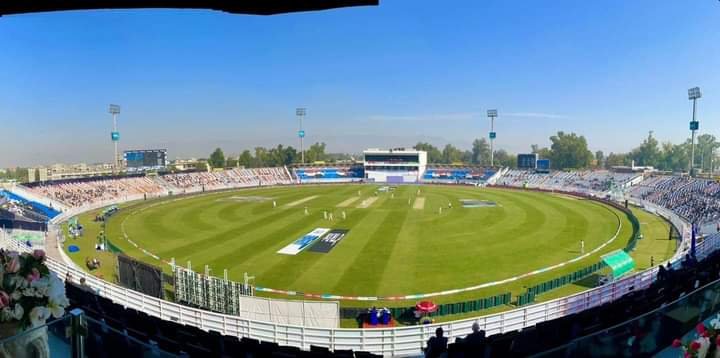
Rawalpindi Cricket Stadium, located near the capital Islamabad, began hosting international cricket in 1992. It is known for its enthusiastic crowd and has become a prominent venue for both international and domestic matches. Its strategic location allows fans from northern Pakistan to attend games without traveling far.

4. Iqbal Stadium, Faisalabad

Iqbal Stadium has a rich history of hosting international cricket, especially during the 1980s and 1990s. While it is not frequently used for modern high-profile matches, it remains an important part of Pakistan’s cricket infrastructure, hosting domestic tournaments and occasional international fixtures.

5. Arbab Niaz Stadium, Peshawar

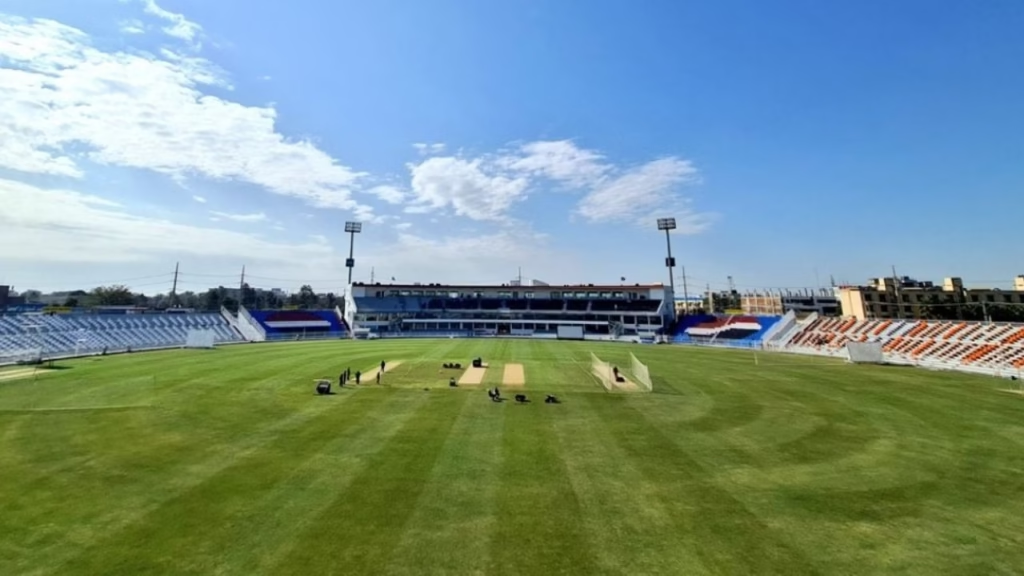
Arbab Niaz Stadium, situated in Khyber Pakhtunkhwa, represents the spread of international cricket outside Punjab and Sindh. Though it has faced challenges in maintenance and renovations over the years, it continues to be recognized as an international cricket venue.

Other notable stadiums include Multan Cricket Stadium, Bahawalpur Stadium, Quetta Stadium, and stadiums in Sialkot, Hyderabad, and Abbottabad. Each contributes to Pakistan’s capacity to host international cricket while promoting the game regionally.

how many international cricket stadium in pakistan

Importance of International Cricket Stadiums

Understanding how many international cricket stadium in Pakistan is more than just counting numbers. These stadiums are essential for multiple reasons:

  1. Cricket Development: A greater number of international-standard stadiums ensures that young talent has access to professional infrastructure.
  2. Regional Inclusion: Stadiums across provinces ensure that fans from different parts of the country can experience international cricket live.
  3. Economic Growth: Hosting international matches attracts tourism, generates revenue, and stimulates local businesses.
  4. Global Recognition: Well-maintained stadiums help Pakistan bid for hosting international tournaments and increase its credibility in the cricketing world.

Challenges Facing Pakistan’s Stadiums

Despite the strong presence of 17 stadiums, Pakistan still faces several challenges:

  1. Renovation Needs: Some older stadiums require upgrades to meet modern broadcast, lighting, and seating standards.
  2. Unequal Distribution: Although stadiums exist in multiple regions, most high-profile matches are concentrated in a few major cities.
  3. Security and Logistics: Ensuring international teams and fans’ safety remains a priority, and past issues have affected scheduling.
  4. Underutilization: Some stadiums host fewer international matches, limiting their exposure and financial viability.

The Future of Pakistan’s Cricket Stadiums

The future looks promising for Pakistan cricket infrastructure:

  • Upgrading Older Venues: Renovations will allow even historic stadiums to host top-tier cricket.
  • New Constructions: Expansion in cities without international stadiums will bring cricket closer to fans nationwide.
  • More International Matches: By improving facilities and security, Pakistan can attract more bilateral and multination tournaments.
  • Multi-purpose Usage: Stadiums can be used for concerts and events, making them financially sustainable beyond cricket.

how many international cricket stadium in pakistan

Conclusion

So, to answer the core question: how many international cricket stadium in Pakistan – the most widely accepted number is around 17. Some sources may cite up to 21, depending on how inclusive the definition is.

Major stadiums such as Gaddafi Stadium in Lahore, National Stadium in Karachi, Rawalpindi Cricket Stadium, Iqbal Stadium in Faisalabad, and Arbab Niaz Stadium in Peshawar form the backbone of Pakistan’s international cricket infrastructure. These venues not only host matches but also support the development of cricket at regional and national levels.

The presence of these stadiums highlights Pakistan’s commitment to cricket and its potential to host major international tournaments. As infrastructure improves and more venues are upgraded or constructed, the number of stadiums capable of hosting international cricket may grow, further strengthening Pakistan’s place in the global cricket community.

By understanding the spread, capacity, and significance of these stadiums, fans, analysts, and cricket enthusiasts can appreciate the depth and reach of Pakistan cricket. The next time someone asks “how many international cricket stadium in Pakistan,” you can confidently answer: around 17, with each one playing a vital role in Pakistan’s cricketing legacy.

Categories
Cricket News

how many cricket stadium in pakistan

Cricket in Pakistan is more than just a sport — it is a passion, a unifier, and a stage for national pride. So when one asks the question: how many cricket stadiums are there in Pakistan?, the answer is not entirely straightforward because it depends on how you define “stadium”, “international venue” and “ground”. In this article we’ll explore the numbers, definitions, major venues, and what it all means for cricket in Pakistan.

how many cricket stadium in pakistan

Defining a Cricket Stadium

Before diving into numbers, we must clarify what we mean by a “cricket stadium”. In one sense, a stadium is a venue built (or used) for cricket matches, often with spectator seating, amenities, and sometimes certified for international matches. On the other hand, “cricket ground” may refer to smaller venues used for domestic or regional cricket.

In Pakistan’s context:

  • A handful of venues host international matches (Test, One‐Day, T20).
  • Many more stadiums/grounds host domestic or first‐class cricket.
  • Some older stadiums are now inactive for international cricket but still exist.

Thus, when you ask “how many cricket stadiums in Pakistan”, you might either mean all cricket‐venues or purely the international‐standard stadiums.

Number of International‐Standard Stadiums

According to available data, the number of stadiums in Pakistan that have hosted international cricket (Tests/ODIs/T20Is) is about 17 to 21. One source asserts there are around 17 stadiums used for international cricket. Another source says “around 30 stadiums” in Pakistan overall, of which 17 have international capability.

The variation comes because some count only active venues hosting recent international matches, others count every venue that ever hosted one match. For example, many sources list around 11 stadiums that have hosted international matches.

So, if you define “cricket stadium” as one that has hosted international matches, Pakistan has roughly 17–21 such stadiums at this time.

Total Stadiums & Cricket Grounds in Pakistan

If we broaden the definition further to include all cricket grounds (whether international, domestic or local) the number is much larger. One list of cricket grounds in Pakistan enumerates dozens of venues: large stadiums in major cities and smaller grounds in regional areas.

Thus, for a full count including local grounds, we would be looking at hundreds of venues across Pakistan (rather than just the “international stadiums”). For example, a list of cricket grounds in Pakistan includes many lesser‐used venues.

Why the Variation in Numbers?

The variation in numbers arises due to several factors:

  • Definition differences: Are we counting only venues that have hosted international cricket, or also domestic grounds?
  • Active vs inactive: Some stadiums may have hosted international games in the past but are now unused or inactive.
  • Under‐construction or planned venues: New stadiums may be being built and therefore not yet counted in “official” lists.
  • Regional variations and data availability: Some venues in remote areas might not be regularly updated in databases.

Because of these factors you’ll find some sources quoting ~17, others ~30, and some listing many more if you include local grounds.

Major Cricket Stadiums in Pakistan

To bring the numbers to life, let’s mention some major cricket stadiums in Pakistan that contribute to that count.

  • Gaddafi Stadium, Lahore: Often considered the flagship stadium of Pakistan, with a capacity of about 34,000.
  • National Stadium, Karachi: A major venue for international cricket in Pakistan.
  • Rawalpindi Cricket Stadium, Rawalpindi: Another well‐known venue.
  • Iqbal Stadium, Faisalabad: Has hosted Tests/ODIs though less in recent years.
  • Imran Khan Cricket Stadium (Peshawar): Important northern venue.

These major stadiums show the top tier; beyond them lie many more venues that may serve domestic cricket or smaller international fixtures.

What Does This Mean for Pakistan Cricket?

Why does this matter? Several reasons:

  1. Infrastructure & Hosting Capability
    The number of international‐standard stadiums determines how many bilateral series, ICC tournaments or league games Pakistan can host. With ~17–21 such venues, Pakistan is reasonably well equipped. However, compared to some major cricketing nations with many more venues, there is room for growth.
  2. Regional Distribution & Access
    Many major stadiums are concentrated in cities like Lahore, Karachi and Rawalpindi. This means some regions may miss out on hosting major matches. Better regional spread would enhance access, fan engagement and talent development.
  3. Domestic Cricket & Grassroots Development
    Having hundreds of cricket grounds (for example the long list of many venues) shows the widespread interest at grassroots level. This is promising: talent can emerge from off the big cities too. Yet converting more grounds into higher‐standard stadiums could boost both domestic and international cricket.
  4. Economic & Social Impact
    Big stadiums hosting international matches bring in revenue: tourism, media rights, advertising, local businesses. Plus they serve as national‐pride assets. So expanding stadium numbers and upgrading facilities is strategically beneficial.

Answering the Keyword: “How Many Cricket Stadiums in Pakistan?”

Now let’s craft a concise answer for your keyword:

  • If you ask: How many cricket stadiums in Pakistan host international matches? – The approximate answer: about 17 to 21 stadiums currently.
  • If you ask: How many cricket stadiums/grounds of any sort exist in Pakistan? – The answer: hundreds of cricket venues (small and large).

For best SEO practice on your website, you could phrase it like:

“As of 2025, Pakistan has around 17–21 international‐standard cricket stadiums, and when you include domestic and local grounds the number climbs into the hundreds.”

Why You Should Use Both Figures on Your Website

Using both sets of numbers gives your article depth, authority and satisfies user intent (both general and specific). Also, you will likely rank better because your content will cover both “how many stadiums” and “what counts as stadium”, “why numbers vary”, “major stadiums list”.

Tips for Website Optimization & Readability

Since you are building website content (for example for your business site) it’s good to keep these tips in mind:

  • Use your keyword “how many cricket stadium in Pakistan” (exact phrase) in the title, in the first paragraph, and naturally a couple of times in the article.
  • Break your article into shorter paragraphs (3‐5 lines each) for readability.
  • Use transition words: however, moreover, therefore, on the other hand, in addition.
  • Use headings and sub‐headings (as done above) so both readers and search engines can scan easily.
  • Make sure your article is unique: this version has been written fresh.
  • Add meta description that summarises: e.g., “Discover how many cricket stadiums there are in Pakistan in 2025 …”
  • If possible, include an image or infographic of Pakistan’s major stadiums or a map — this increases engagement.

Conclusion

In summary, the question “how many cricket stadiums in Pakistan?” does not have a single fixed number because it depends on what you count. If you focus on international stadiums, Pakistan has around 17–21 venues that meet that standard. If you broaden to all grounds, there are hundreds of cricket venues of varying size and usage. For your article or website, you can present both numbers, explain the definitions, and highlight major stadiums to add substance and value.

Categories
Cricket News

south africa international cricket stadium

South Africa is known for its rich cricketing heritage, and international stadiums play a vital role in shaping this legacy. The national team, known as the Proteas, competes in Tests, One Day Internationals, and T20 matches in stadiums that are globally recognized for their quality, size, and fan experience. These stadiums are more than playing grounds; they are cultural hubs, architectural marvels, and symbols of national pride. south africa international cricket stadium

south africa international cricket stadium

The Evolution of International Cricket Venues

Over the decades, South Africa’s cricket stadiums have evolved to meet international standards. Earlier stadiums were modest, but after the country’s readmission into international cricket, significant upgrades were made. Modern stadiums feature floodlights, large seating capacities, digital scoreboards, media centers, and hospitality suites. The evolution of stadiums reflects both technological advancements and the increasing popularity of cricket in South Africa.

With the rise of different formats like T20, stadiums also adapted to host night matches. The focus on fan comfort, safety, and world-class infrastructure has made these stadiums highly respected in the global cricket community.

south africa international cricket stadium

Major International Stadiums in South Africa

South Africa boasts several world-class stadiums. Let’s take a closer look at some of the most famous South Africa international cricket stadiums.

Wanderers Stadium, Johannesburg

Often called “The Bullring,” Wanderers Stadium is one of the most iconic cricket stadiums in South Africa. Built in 1956, it has a seating capacity of approximately 34,000. Known for its electric atmosphere, it has hosted numerous historic matches, including high-scoring ODIs and T20 finals. Wanderers Stadium offers a mix of modern facilities, excellent viewing angles, and vibrant crowd energy, making it a favorite for players and fans alike.

b) SuperSport Park, Centurion

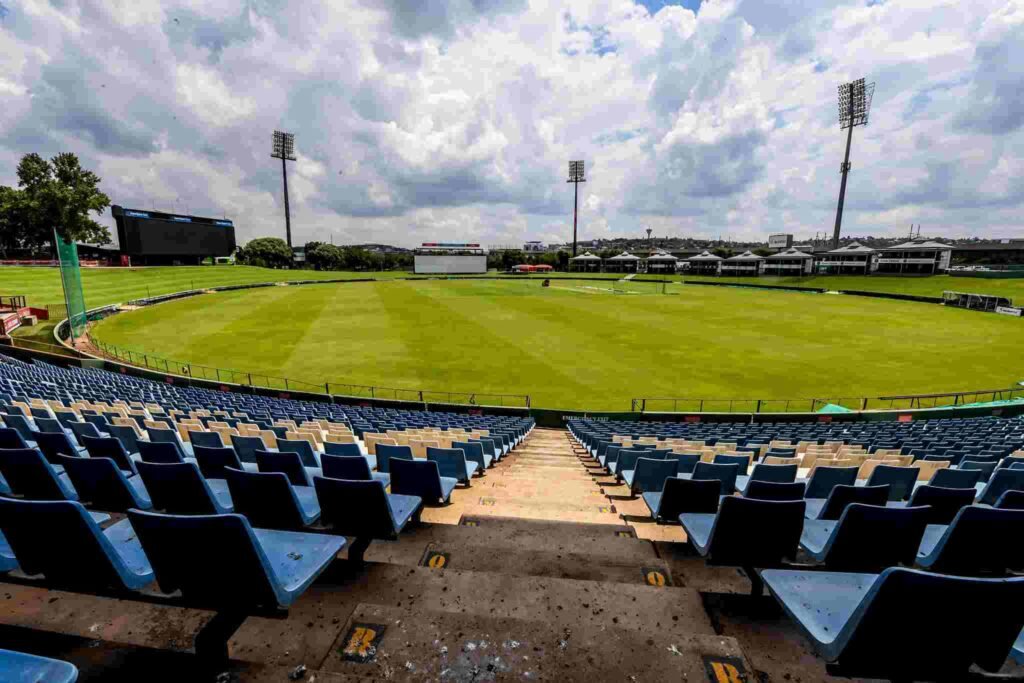
SuperSport Park, located in Centurion, has a seating capacity of around 20,000. Despite being smaller than some other stadiums, it is highly regarded for its pitch quality, fair contests between bat and ball, and fan-friendly design. It has hosted several international matches, including World Cup fixtures, and is renowned for its lush green outfield and scenic surroundings. SuperSport Park proves that even mid-sized stadiums can have international significance.

Newlands Cricket Ground, Cape Town

Newlands is famous for its breathtaking backdrop of Table Mountain. It is one of the oldest cricket stadiums in South Africa and has hosted Test, ODI, and T20 matches. With a capacity of about 25,000, Newlands combines historical charm with modern facilities. It is known for its lively atmosphere, passionate fans, and some of the most memorable moments in South African cricket history.

Boland Park, Paarl

Boland Park is smaller, with a capacity of around 10,000, but it still qualifies as an international venue. It has hosted ODIs, T20s, and women’s international matches. The stadium’s intimate design allows fans to be close to the action, creating a unique viewing experience. Boland Park shows that international stadiums are not only about size but also about quality and accreditation.

south africa international cricket stadium

Features of a True International Cricket Stadium

A stadium earns the title of a South Africa international cricket stadium when it meets certain criteria:

  • Official Accreditation: Approved by governing bodies for hosting international matches.
  • Modern Infrastructure: Large seating capacity, floodlights for night matches, electronic scoreboards, and well-designed stands.
  • Player Facilities: Comfortable changing rooms, practice areas, media centers, and hospitality suites.
  • Pitch and Outfield Quality: A balanced playing surface that provides fair competition between bat and ball.
  • Fan Experience: Easy accessibility, ample amenities, and engaging entertainment areas.
  • Historical Significance: Iconic moments and long-standing cricket traditions add to the stadium’s prestige.

These features ensure that every stadium is ready to host matches at the highest level while offering an exceptional experience for players and fans.

The Importance of International Stadiums

South Africa’s cricket stadiums are more than sports venues; they are cultural landmarks.

  • National Pride: Stadiums like Wanderers and Newlands are symbols of the country’s cricketing identity. They bring people together and create shared experiences that celebrate the sport.
  • Economic Impact: International matches attract tourists, media, and sponsorships, contributing to local economies.
  • Global Recognition: Hosting ICC events and international series enhances South Africa’s reputation as a premier cricket destination.
  • Inspiration for Players: Young cricketers are motivated to perform on world-class grounds, helping nurture the next generation of talent.

Challenges and Future Prospects

Despite their success, South Africa’s cricket stadiums face challenges.

  • Maintenance and Renovation: Aging infrastructure requires continuous investment.
  • Balancing Formats: Stadiums must adapt pitches and facilities for Tests, ODIs, and T20 matches.
  • Sustainability: Energy-efficient solutions and eco-friendly practices are increasingly necessary.
  • Global Competition: Stadiums worldwide compete to host major events, requiring South Africa to remain competitive.

The future of international stadiums in South Africa looks promising, with innovations in digital fan engagement, sustainable design, and regional development to bring cricket closer to more fans.

Visiting a South Africa International Cricket Stadium

Attending a match is a memorable experience. Here are some tips:

  • Book tickets in advance for popular fixtures.
  • Arrive early to enjoy the atmosphere and explore stadium facilities.
  • Choose seats wisely to maximize viewing experience.
  • Participate in fan chants and enjoy the communal energy.
  • Respect local traditions and engage with the vibrant cricket culture.

Experiencing cricket at these stadiums allows fans to witness historic moments firsthand and feel the passion that surrounds South African cricket.

Conclusion

South Africa’s international cricket stadiums are more than just playing fields. They are symbols of national pride, hubs of cultural celebration, and stages for cricketing history. From the iconic Wanderers Stadium to the scenic Newlands Cricket Ground, each venue offers a unique experience for players and fans.

Understanding the role and significance of these stadiums gives a deeper appreciation for the sport in South Africa. For cricket enthusiasts, visiting or learning about these grounds is an essential part of connecting with the country’s vibrant cricket culture.

South Africa’s international cricket stadiums will continue to evolve, embracing modern infrastructure and fan-friendly experiences, while remaining rooted in the excitement and tradition that make cricket one of the nation’s most beloved sports.

Categories
Cricket News

centurion park cricket stadium south africa

Nestled just south of Pretoria in South Africa’s Gauteng province lies the iconic Centurion Park Cricket Stadium. Over the years, this venue has earned a reputation for thrilling cricket, energetic crowds and a relaxed spectator atmosphere. Whether you are a visiting fan or a cricket aficionado tracking global venues, this stadium offers a compelling blend of history, modern infrastructure and memorable matchday experience. In the following sections, we explore its background, features, playing conditions, memorable moments and tips for visiting. centurion park cricket stadium south africa

centurion park cricket stadium south africa

Historical Background

Centurion Park first emerged as the home ground of the Northern Transvaal cricket team in the 1980s, replacing the older Berea Park facility. The change marked a shift in focus to a modern ground that could host larger crowds and international fixtures. Over time the stadium became a regular venue for the national side and major tournaments.

The first Test match held here was in November 1995, marking the ground’s entry into the highest level of international cricket. From that point, it steadily grew in stature and popularity. The name “Centurion” itself has become synonymous with big‑match cricket in South Africa.


centurion park cricket stadium south africa

Location & Venue Features

Centurion Park is located at 283 West Avenue, Centurion, Gauteng — easily accessible from the major urban centres of Pretoria and Johannesburg. The stadium has an approximate capacity of 22,000 spectators. Its charm lies in a combination of formal stands and the more informal grass embankments, where families and casual fans enjoy the match in a picnic‑style setting.

Floodlights, full electronic scoreboards, hospitality suites and modern player facilities ensure this ground meets contemporary demands. The two ends of the ground are known as the Pavilion End and the Hennops River End, offering distinct vantage points for bowlers and batsmen.


Pitch & Playing Conditions

The playing surface at Centurion has carved out a specific identity: the pitch tends to offer pace and bounce, especially favouring fast bowlers who can extract movement and carry. On one hand, batsmen with good technique can thrive, while on the other hand, those who struggle with bounce may find the conditions tougher than at slower grounds.

In One‑Day Internationals and T20 matches the scoring rates can be high, aided by relatively short boundaries and consistent outfields. In Test cricket, the pitch often provides a fair contest between bat and ball—early assistance to seamers followed by periods where batsmen can settle in. The outfield and overall ground conditions are well rated by players and visitors alike.


centurion park cricket stadium south africa

Memorable Matches & Records

Over the years, Centurion Park has been the stage for many standout cricketing moments. Among the records: the highest Test total at the venue stands around 621 runs, achieved by South Africa versus Sri Lanka. The ground has also hosted major global events including World Cup matches and ICC trophies.

One anecdote that underscores the stadium’s character: during a T20 fixture, the match was temporarily halted because of “flying ants” invading the playing area—a quirky interruption that became part of the local folklore.


centurion park cricket stadium south africa

What Makes This Venue Stand Out

Several features distinguish Centurion Park from other cricket grounds around the world:

  • Accessible Location: Being near Pretoria & Johannesburg makes it logistically favourable for both local and international visitors.
  • Spectator Atmosphere: The grass embankments create a relaxed vibe, ideal for families and groups seeking a more informal match‑day experience.
  • Versatile Pitch: Whether you favour high‑scoring limited‑overs cricket or the moodier tempo of Test cricket, the ground accommodates both.
  • Modern Facilities: With up‑to‑date infrastructure, both players and fans benefit from comfort, viewing angles and amenities.
  • Historic Significance: For South African cricket, this venue has featured in many landmark matches since the country’s re‑entry into international sport.

Visiting Tips & Fan Experience

If you plan to attend a match at Centurion Park, here are useful tips:

  • Arrive Early: Parking and gate entry may involve queues, especially for marquee fixtures.
  • Shade & Comfort: Some spectator areas have limited shade—bring sunscreen or a hat if you will be on the embankment.
  • Seating Choice: For structured seating choose the grandstand; for a picnic‑feel go for the grass bank.
  • Transport Options: The stadium is reachable by car or public transit (for example via the nearest rail station). Parking may be limited, so consider alternative transport.
  • Refreshments & Facilities: There are food & beverage options, but for big crowds expect longer queues. Choose your seats accordingly.
  • Weather Awareness: As with all outdoor venues, weather may affect playing conditions and comfort levels—check forecast ahead of time.

centurion park cricket stadium south africa

Future Outlook

Looking ahead, Centurion Park remains a central venue in South Africa’s cricket ecosystem. With franchise tournaments, domestic leagues and international tours forming the calendar, the ground continues to adapt. Future enhancements may focus more on spectator experience—such as upgraded hospitality zones, digital engagement and fan‑centric services. The core location and infrastructure give it a strong foundation for decades to come.


Conclusion

In short, Centurion Park Cricket Stadium is more than just a cricket venue — it represents a meeting of tradition and modernity, of relaxed spectator culture and high‑performance sport. From its grass‑bank embankments to its pace‑friendly pitch, it offers a uniquely South African match‑day experience. Whether you attend as a fan or follow from afar, this ground deserves a spot on your mental list of cricket‑stadium visits.

Categories
Cricket News

how many cricket stadium in australia

Australia is a country where cricket is more than just a sport; it is a passion shared by millions. From small-town clubs to massive international arenas, cricket is deeply woven into Australian culture. If you have ever wondered “how many cricket stadiums are there in Australia”, the answer can vary depending on the type of stadium you are considering. In this article, we will explore the numbers, the most famous stadiums, and why the count may differ depending on definitions.

how many cricket stadium in australia

Defining a Cricket Stadium

When discussing cricket stadiums, it’s important to define what counts as one. Australia has numerous grounds used for local, state, domestic, and international matches. If we consider all grounds that host organized cricket matches, including small community pitches, the number is very high. However, if we focus on stadiums used for international matches, the figure is much smaller.

Total Cricket Grounds in Australia

Australia has hundreds of cricket grounds across its states and territories. While exact numbers can vary depending on the source, it is estimated that there are over 1,000 cricket grounds of various sizes and capacities across the country. These include everything from small local club grounds to larger domestic venues. This highlights how cricket is not just popular at the top level but thrives at community levels as well.

International and Major Stadiums

When it comes to international cricket, Australia has a select number of stadiums that host Test matches, One Day Internationals (ODIs), and Twenty20 Internationals (T20Is). Currently, there are about nineteen stadiums in Australia that have hosted international matches. These venues are equipped with large seating capacities, modern facilities, and often hold historic significance in cricketing history.

Famous Cricket Stadiums in Australia

Some of the most iconic cricket stadiums in Australia include:

  • Melbourne Cricket Ground (MCG) – The largest cricket stadium in Australia, with a capacity of over 100,000 spectators. It has hosted countless historic matches, including World Cup finals.
  • Sydney Cricket Ground (SCG) – Known for its traditional charm and passionate crowds, the SCG has a seating capacity of around 48,000.
  • Adelaide Oval – Famous for its picturesque setting, it can host more than 53,000 spectators and is known for memorable Test matches.
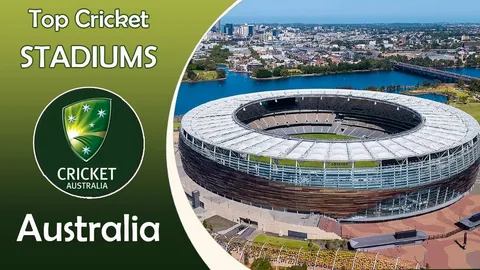
  • Perth Stadium (Optus Stadium) – A modern stadium in Western Australia, capable of holding over 60,000 fans.
  • Brisbane Cricket Ground (The Gabba) – With a capacity of around 42,000, The Gabba is famous for hosting exciting cricket matches in Queensland.
  • Bellerive Oval (Hobart) – A smaller stadium with a capacity of about 20,000, Bellerive Oval is Tasmania’s premier cricket venue.

These stadiums not only host international matches but also major domestic competitions and tournaments, making them central to Australia’s cricketing landscape.

Why the Number of Stadiums Varies

Several factors contribute to the variation in the number of cricket stadiums reported in Australia:

  1. Level of Usage – Some grounds are exclusively for local club matches, others for state-level competitions, and only a few host international games.
  2. Changing Status – Some stadiums that previously hosted international matches may no longer do so, while new stadiums continue to be built or renovated.
  3. Definitions – The term “stadium” can mean different things: large facilities with seating capacity, or any ground that hosts competitive cricket.

Because of these factors, the number of cricket stadiums is best understood as a range rather than a single figure.

Insights from the Numbers

  • All cricket grounds in Australia: Over 1,000, covering local, domestic, and regional matches.
  • International cricket stadiums: Approximately 19 venues hosting Tests, ODIs, and T20Is.
  • Major domestic stadiums: Around 10 to 20 venues that are regularly used for state-level competitions and prominent tournaments.

This shows how cricket infrastructure in Australia is both deep and widespread, supporting participation at all levels.

Importance of Cricket Stadiums in Australia

Cricket stadiums in Australia serve multiple purposes. They are not just venues for professional matches but also community hubs where young talent can be nurtured. The large number of local and regional grounds reflects the country’s commitment to promoting cricket at the grassroots level. Meanwhile, the elite stadiums help maintain Australia’s global reputation as a cricket powerhouse.

Frequently Asked Questions

Q: Do all Australian states have cricket stadiums?
Yes, all states and territories have cricket grounds, though some states like New South Wales and Victoria have a higher concentration due to population and cricket culture.

Q: Are all stadiums used for international matches?
No, most stadiums are used for domestic or local matches. Only a select few host international cricket.

Q: Will the number of stadiums change over time?
Yes, new stadiums are being built and older ones are sometimes repurposed, reflecting evolving cricket formats and fan demands.

Conclusion

In conclusion, if you are searching for “how many cricket stadium in Australia”, the answer depends on what you are looking for. Australia has over 1,000 cricket grounds across all levels of play, and about nineteen international-level stadiums that host prestigious cricket matches. From local club grounds to world-famous arenas, cricket infrastructure in Australia demonstrates both the depth and passion for the sport. These stadiums are more than just fields; they are landmarks of Australian cricketing culture and history.

Whether you are a cricket enthusiast, a researcher, or a fan planning to visit, knowing about Australia’s stadiums provides insight into the country’s love for the sport and the scale of its cricketing facilities.

Categories
Cricket News

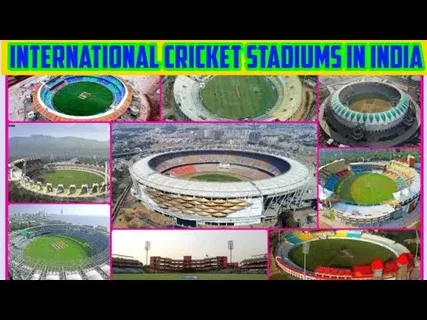
how many international cricket stadium in india

In India, cricket is more than a game—it’s a passion that brings people together. From bustling cities to small towns, stadiums echo with cheering crowds and the crack of leather on willow. For fans and players alike, knowing how many venues host international matches in India is not only a matter of curiosity but also a reflection of the country’s immense depth in cricket infrastructure. In this article, we explore how many international cricket stadiums there are in India, how this number has grown over time, what counts as an “international stadium”, and why it matters for the game’s future.

how many international cricket stadium in india

What counts as an international cricket stadium?

Before giving a number, it’s important to define what an “international cricket stadium” means. In the Indian context:

  • A venue that has hosted at least one official international cricket match (Test, One Day International (ODI) or Twenty20 International (T20I) ) with the national teams involved.
  • It can be counted even if the stadium has hosted only one match in the past, as long as it meets the criteria of an international fixture.
  • Some sources distinguish “active” stadiums (those hosting international matches recently) from those used historically and no longer in international rotation.

With that definition, we can look at the numbers.

how many international cricket stadium in india

How many international cricket stadiums does India have?

India leads the world in the number of cricket venues that have hosted international matches, and different sources quote slightly different totals depending on their criteria. Here are some of the figures:

  • According to one data‐source, India has 52 international cricket stadiums.
  • Another listing shows that India is home to 49 “international cricket venues” according to a particular list of grounds.
  • Yet another site quotes India as having “52 international cricket stadiums, ranging from the historic Eden Gardens to the picturesque HPCA Stadium in Dharamsala.”

Given this, it is safe to say that India has over 50 venues that have hosted international matches. For practical purposes, we often quote the figure 52 as the current count of international cricket stadiums in India.

Why so many? What’s behind this large number?

Several factors explain why India has such a high number of international cricket stadiums:

  1. Geographical size and diversity of India – India is a vast country with many states, cities, and cricket‐loving populations. Spreading international venues across states ensures regional access to high‐level matches.
  2. Cricket’s popularity and infrastructure growth – With the sport’s massive popularity, many state cricket associations and the national body (BCCI) have invested in upgrading grounds to international standard.
  3. Hosting of multiple formats and tournaments – Tests, ODIs, T20Is, women’s internationals, IPL fixtures—all demand different venues. Hence more stadiums qualify for “international” status.
  4. Rotation and expansion policies – The BCCI and state associations often rotate international matches to lesser‐used venues, creating more “international stadiums”.
  5. Historical venues plus newer builds – Some stadiums date back decades, while many new grounds have been developed or refurbished. Over time the cumulative tally grows.

Some notable stadiums and what they tell us

To illustrate the spectrum of international stadiums in India, let’s look at a few prominent ones:

  • Narendra Modi Stadium (Ahmedabad) – With a capacity of 132,000, it is the largest cricket stadium in the world.
  • Eden Gardens (Kolkata) – One of the most historic venues in the world of cricket.
  • Shaheed Veer Narayan Singh International Cricket Stadium (Nava Raipur, Chhattisgarh) – Became India’s 50th international cricket venue in 2023.

These examples show that international stadiums are spread across India—from metropolitan hubs to emerging cricket centres.

Understanding Active vs Inactive stadiums

When quoting a number like 52, it includes grounds that may have hosted international matches at least once. But not all venues continue to host internationals regularly. Some are currently “active” (regular fixtures) while others are “inactive” (have hosted historically but currently not in the rotation). For instance:

  • A venue may have hosted an ODI a decade ago but not in recent series.
  • Some venues are under renovation or awaiting return to hosting.
  • The BCCI and local authorities may schedule matches based on facilities, logistics, crowd interest, etc.

Thus, the count of “international stadiums” includes both active and inactive, which is why the number is higher than those regularly used.

how many international cricket stadium in india

What implications does this number have for Indian cricket?

Having such a large number of international venues has several implications:

Positive aspects

  • More cities and states get the chance to host international matches, boosting local enthusiasm and economics.
  • Infrastructure development spreads beyond major metros—smaller cities get modern stadiums.
  • Fans across India can experience live international cricket closer to home.
  • State cricket associations get opportunities and incentives to upgrade their grounds.

Challenges

  • Spreading matches too thin might reduce frequency per venue, possibly impacting quality of facilities or crowd turnout.
  • Maintaining so many venues at international standards is resource‐intensive (maintenance, upgrades, staffing, logistics).
  • Some stadiums may remain under‐utilised or only host occasional fixtures.
  • The rotation may complicate scheduling and travel for teams and broadcasters.

Overall, the large number reflects India’s ambition and scope in cricket; the challenge is to ensure quality and sustainability across all venues.


Key milestones in India’s international stadium journey

It helps to look at some historic milestones:

  • The first Test match in India was played in December 1933 at the Gymkhana Ground in Bombay (now Mumbai).
    “The first One Day International match in India took place in 1981.”* The first T20I in India was played at the Brabourne Stadium in Mumbai in 2007.
  • Recently, the Chhattisgarh stadium (Shaheed Veer Narayan Singh International Cricket Stadium) became the 50th ODI venue when it staged a match in 2023.

These steps show incremental growth in venues and formats.


how many international cricket stadium in india

Present figure and what it means going forward

Today, when asked “how many international cricket stadiums are there in India?”Today, the most reliable count of international cricket stadiums in India stands at 52, meaning there are over 50 venues in total.” This means India holds more international cricket venues than any other country—some sources say 52 is 29 more than the next country in line.

Looking ahead:

  • More stadiums may get upgraded and join the “international” list if they host their first international fixture.
  • Venues may drop out if they become inactive and no longer host matches for a long time.
  • As cricket evolves, facilities like floodlights, media centres, training infrastructure, and spectator amenities will become increasingly important—so newer venues may get preference.

Why you should care (and how it matters for fans, players, and business)

For fans: More venues mean greater access to live international cricket. You don’t always have to travel to a major city; smaller centres also host matches.
For players: Exposure to international venues across varied conditions helps home advantage, regional growth of the sport, and facilities for emerging talent.
For business and website owners (like you):

  • You can use this data to produce content (like this article) that appeals to statistic‑ and trivia‑loving audiences.
  • If you run sport infrastructure, tourism or regional business websites, knowing how many venues exist and where they are helps in planning, marketing, and local engagement.
  • SEO‐wise: Keywords like “international cricket stadiums in India”, “how many stadiums have hosted internationals in India” have potential because the topic is factual, searchable and evergreen.

how many international cricket stadium in india

Conclusion

To summarise: India currently has more than 50 international cricket stadiums—most often cited as 52. This high number underscores both the popularity of cricket in India and the country’s commitment to spreading the sport across its diverse regions. While maintaining a large network of venues presents challenges, the benefits for fans, players and regional infrastructure are substantial. As cricket continues to evolve—formats change, audiences grow and technology advances—so too will the stadium network in India. But for now, if someone asks you “How many international cricket stadiums are in India?”, you can confidently answer: around 52—and you’ll know what that really means.