In the world of cricket, speed is not just a number—it’s a symbol of power, dominance, and raw talent. Among all the fast bowlers who have graced the game, one name stands tall: Shoaib Akhtar, famously known as the Rawalpindi Express. His record-breaking delivery, clocked at 161.3 km/h (100.23 mph), remains the fastest ball ever bowled in cricket history. This incredible feat, achieved during the 2003 Cricket World Cup against England, has become a milestone that no other bowler has been able to surpass.
Shoaib Akhtar’s fastest ball is not just a statistic—it’s a story of relentless passion, unmatched dedication, and the willpower of a man who refused to be ordinary. Let’s explore how he achieved this record, the science behind his bowling speed, and why his name still echoes as the Speed King of Cricket.
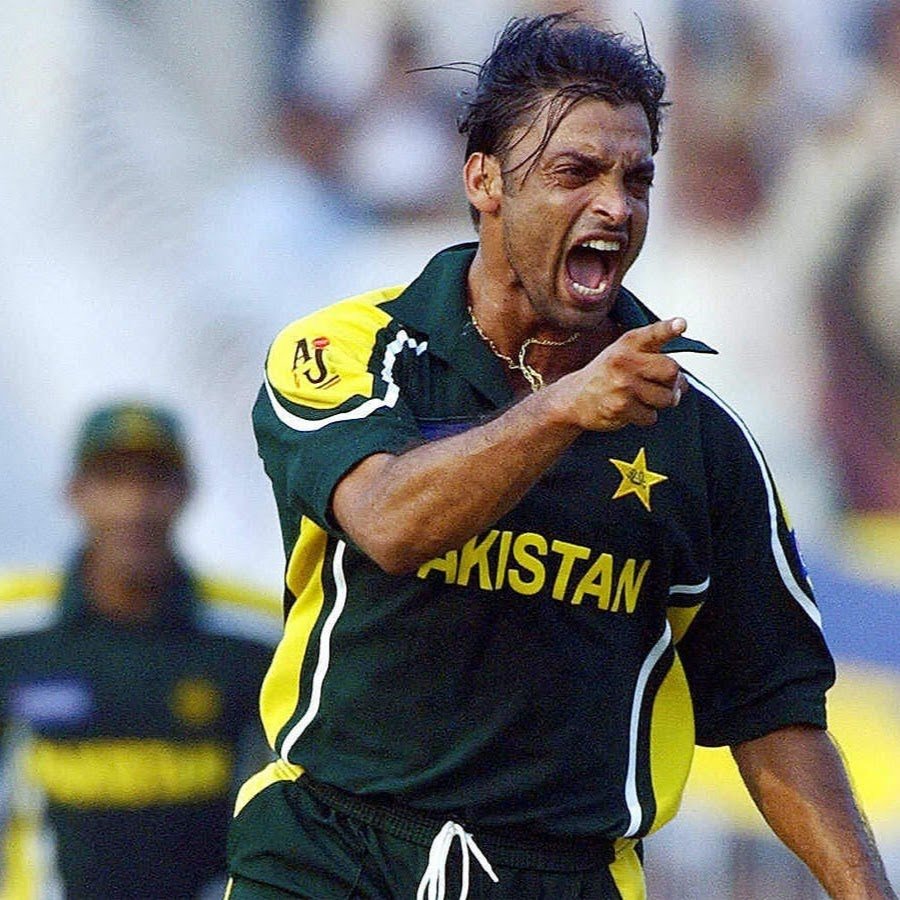
shoaib akhtar fastest ball record
The Journey of Shoaib Akhtar – From Rawalpindi to World Fame
Born on August 13, 1975, in Rawalpindi, Pakistan, Shoaib Akhtar grew up with dreams larger than life. His childhood was filled with struggle, yet his passion for cricket burned brighter every day. Without access to high-end training or facilities, Shoaib relied on his natural strength and athleticism. He used to run miles daily, often barefoot, to build stamina and leg power.
His debut for Pakistan came in 1997 against the West Indies. From that moment, fans and players alike noticed something different—his speed was terrifying. Batsmen found themselves reacting late, wickets shattered, and umpires struggled to keep up with the pace. He wasn’t just fast; he was lightning in human form.
The Fastest Ball in Cricket History – 161.3 km/h (100.23 mph)
The record-breaking delivery came during the 2003 ICC Cricket World Cup in South Africa. Pakistan was facing England at Cape Town when Shoaib Akhtar unleashed his historic ball. The speed gun displayed 161.3 km/h, making it the fastest ball ever recorded in international cricket.
That delivery wasn’t an accident—it was a product of years of hard work, perfect biomechanics, and an aggressive mindset. Shoaib’s run-up was long and explosive, his arm speed unmatched, and his body coordination perfect. He used every ounce of energy from his legs, hips, and shoulders to transfer momentum into the ball. The result was pure magic—a delivery so fast that it stunned even the commentators.
shoaib akhtar fastest ball record
How Shoaib Akhtar Achieved Such Speed
Many experts have analyzed Shoaib’s technique to understand how he could generate such incredible velocity. Here are some key factors:
- Explosive Run-up: Shoaib’s 20-step sprinting run-up helped him build tremendous momentum before release.
- Perfect Timing: His front-leg block and wrist snap at the point of release were biomechanically flawless.
- Strong Core Muscles: Years of training strengthened his lower body and back, allowing him to handle the physical stress of fast bowling.
- Aggressive Mindset: Shoaib’s mental strength and hunger to be the fastest pushed him beyond physical limits.
- Natural Talent: Not every bowler is born with such a combination of power and flexibility. Shoaib had both in abundance.
Other Fast Deliveries by Shoaib Akhtar
While 161.3 km/h is his most famous ball, Shoaib consistently bowled above 150 km/h throughout his career. Some of his notable fast deliveries include:
- 161.0 km/h – Against New Zealand in 2002
- 159.5 km/h – Against India in 2003
- 157.4 km/h – Against South Africa in 1999
This consistency in high-speed bowling is what separates Shoaib from other fast bowlers. Even when injured, he managed to deliver thunderbolts that terrified batsmen.
The Legacy of the Rawalpindi Express
Shoaib Akhtar wasn’t just about speed—he was a performer. His aggressive body language, roaring celebrations, and fiery stare at batsmen made cricket thrilling. Fans would wait just to see him bowl one over. His duels with players like Sachin Tendulkar, Brian Lara, and Ricky Ponting became legendary moments in cricket history.
Even after retirement, no bowler has managed to touch or break his record. Names like Brett Lee, Shaun Tait, and Mitchell Starc came close but still fell short of that magical number. Shoaib’s 161.3 km/h remains the Everest of fast bowling, standing tall as a symbol of human capability.
shoaib akhtar fastest ball record
Impact on Modern Fast Bowlers
Shoaib Akhtar’s influence can be seen in almost every modern fast bowler. His style inspired a generation to train harder, bowl faster, and challenge limits. Bowlers like Jasprit Bumrah, Haris Rauf, and Lockie Ferguson openly admire his energy and aggression.
In today’s cricket, where fitness and technology play key roles, coaches still study Shoaib’s bowling mechanics. His example proves that raw passion combined with science can create extraordinary results.
Shoaib Akhtar’s Fitness and Struggles
Behind his success was a story of pain and sacrifice. Shoaib suffered from multiple knee injuries throughout his career, and doctors often advised him to stop bowling. Yet, his determination kept him going. He trained harder than anyone, spending hours in the gym and focusing on recovery.
He once said, “Pain is temporary, pride is forever.” That mindset made him a legend. Even when critics doubted him, he came back stronger every time. His journey is a lesson in resilience and belief.
shoaib akhtar fastest ball record
Why Shoaib Akhtar’s Record Still Stands
Despite the advancement in sports science, no bowler has broken Shoaib’s record. The reason lies in the combination of raw athleticism, technique, and mental aggression he possessed. Modern players rely more on accuracy and swing, while Shoaib bowled with fearless pace.
Moreover, with stricter fitness rules and workload management, bowlers today rarely attempt to push themselves to such extremes. Shoaib’s era was different—bowlers played for pride and legacy, not just statistics. That’s why his 161.3 km/h remains untouched.
Conclusion
The Shoaib Akhtar fastest ball record is not merely a number on a speed gun—it’s a piece of cricketing history that celebrates courage, passion, and human potential. From Rawalpindi’s streets to the world’s grandest stadiums, Shoaib Akhtar proved that limits exist only to be broken.
Even two decades later, his name continues to strike awe and admiration among fans. The Rawalpindi Express may have retired, but his spirit of speed, fire, and pride still runs through the veins of cricket lovers worldwide. Until someone bowls faster than 161.3 km/h, Shoaib Akhtar will forever remain the undisputed king of fast bowling.
Leave a Reply