In India, cricket is more than a game—it’s a passion that brings people together. From bustling cities to small towns, stadiums echo with cheering crowds and the crack of leather on willow. For fans and players alike, knowing how many venues host international matches in India is not only a matter of curiosity but also a reflection of the country’s immense depth in cricket infrastructure. In this article, we explore how many international cricket stadiums there are in India, how this number has grown over time, what counts as an “international stadium”, and why it matters for the game’s future.
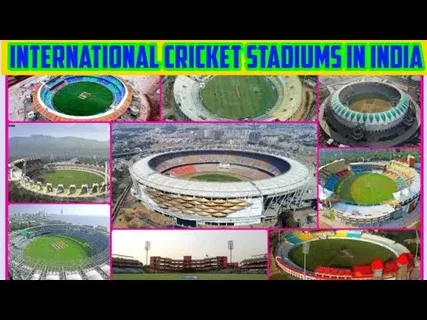
What counts as an international cricket stadium?
Before giving a number, it’s important to define what an “international cricket stadium” means. In the Indian context:
- A venue that has hosted at least one official international cricket match (Test, One Day International (ODI) or Twenty20 International (T20I) ) with the national teams involved.
- It can be counted even if the stadium has hosted only one match in the past, as long as it meets the criteria of an international fixture.
- Some sources distinguish “active” stadiums (those hosting international matches recently) from those used historically and no longer in international rotation.
With that definition, we can look at the numbers.
how many international cricket stadium in india
How many international cricket stadiums does India have?
India leads the world in the number of cricket venues that have hosted international matches, and different sources quote slightly different totals depending on their criteria. Here are some of the figures:
- According to one data‐source, India has 52 international cricket stadiums.
- Another listing shows that India is home to 49 “international cricket venues” according to a particular list of grounds.
- Yet another site quotes India as having “52 international cricket stadiums, ranging from the historic Eden Gardens to the picturesque HPCA Stadium in Dharamsala.”
Given this, it is safe to say that India has over 50 venues that have hosted international matches. For practical purposes, we often quote the figure 52 as the current count of international cricket stadiums in India.
Why so many? What’s behind this large number?
Several factors explain why India has such a high number of international cricket stadiums:
- Geographical size and diversity of India – India is a vast country with many states, cities, and cricket‐loving populations. Spreading international venues across states ensures regional access to high‐level matches.
- Cricket’s popularity and infrastructure growth – With the sport’s massive popularity, many state cricket associations and the national body (BCCI) have invested in upgrading grounds to international standard.
- Hosting of multiple formats and tournaments – Tests, ODIs, T20Is, women’s internationals, IPL fixtures—all demand different venues. Hence more stadiums qualify for “international” status.
- Rotation and expansion policies – The BCCI and state associations often rotate international matches to lesser‐used venues, creating more “international stadiums”.
- Historical venues plus newer builds – Some stadiums date back decades, while many new grounds have been developed or refurbished. Over time the cumulative tally grows.
Some notable stadiums and what they tell us
To illustrate the spectrum of international stadiums in India, let’s look at a few prominent ones:
- Narendra Modi Stadium (Ahmedabad) – With a capacity of 132,000, it is the largest cricket stadium in the world.
- Eden Gardens (Kolkata) – One of the most historic venues in the world of cricket.
- Shaheed Veer Narayan Singh International Cricket Stadium (Nava Raipur, Chhattisgarh) – Became India’s 50th international cricket venue in 2023.
These examples show that international stadiums are spread across India—from metropolitan hubs to emerging cricket centres.
Understanding Active vs Inactive stadiums
When quoting a number like 52, it includes grounds that may have hosted international matches at least once. But not all venues continue to host internationals regularly. Some are currently “active” (regular fixtures) while others are “inactive” (have hosted historically but currently not in the rotation). For instance:
- A venue may have hosted an ODI a decade ago but not in recent series.
- Some venues are under renovation or awaiting return to hosting.
- The BCCI and local authorities may schedule matches based on facilities, logistics, crowd interest, etc.
Thus, the count of “international stadiums” includes both active and inactive, which is why the number is higher than those regularly used.
how many international cricket stadium in india
What implications does this number have for Indian cricket?
Having such a large number of international venues has several implications:
Positive aspects
- More cities and states get the chance to host international matches, boosting local enthusiasm and economics.
- Infrastructure development spreads beyond major metros—smaller cities get modern stadiums.
- Fans across India can experience live international cricket closer to home.
- State cricket associations get opportunities and incentives to upgrade their grounds.
Challenges
- Spreading matches too thin might reduce frequency per venue, possibly impacting quality of facilities or crowd turnout.
- Maintaining so many venues at international standards is resource‐intensive (maintenance, upgrades, staffing, logistics).
- Some stadiums may remain under‐utilised or only host occasional fixtures.
- The rotation may complicate scheduling and travel for teams and broadcasters.
Overall, the large number reflects India’s ambition and scope in cricket; the challenge is to ensure quality and sustainability across all venues.
Key milestones in India’s international stadium journey
It helps to look at some historic milestones:
- The first Test match in India was played in December 1933 at the Gymkhana Ground in Bombay (now Mumbai).
“The first One Day International match in India took place in 1981.”* The first T20I in India was played at the Brabourne Stadium in Mumbai in 2007. - Recently, the Chhattisgarh stadium (Shaheed Veer Narayan Singh International Cricket Stadium) became the 50th ODI venue when it staged a match in 2023.
These steps show incremental growth in venues and formats.
how many international cricket stadium in india
Present figure and what it means going forward
Today, when asked “how many international cricket stadiums are there in India?”Today, the most reliable count of international cricket stadiums in India stands at 52, meaning there are over 50 venues in total.” This means India holds more international cricket venues than any other country—some sources say 52 is 29 more than the next country in line.
Looking ahead:
- More stadiums may get upgraded and join the “international” list if they host their first international fixture.
- Venues may drop out if they become inactive and no longer host matches for a long time.
- As cricket evolves, facilities like floodlights, media centres, training infrastructure, and spectator amenities will become increasingly important—so newer venues may get preference.
Why you should care (and how it matters for fans, players, and business)
For fans: More venues mean greater access to live international cricket. You don’t always have to travel to a major city; smaller centres also host matches.
For players: Exposure to international venues across varied conditions helps home advantage, regional growth of the sport, and facilities for emerging talent.
For business and website owners (like you):
- You can use this data to produce content (like this article) that appeals to statistic‑ and trivia‑loving audiences.
- If you run sport infrastructure, tourism or regional business websites, knowing how many venues exist and where they are helps in planning, marketing, and local engagement.
- SEO‐wise: Keywords like “international cricket stadiums in India”, “how many stadiums have hosted internationals in India” have potential because the topic is factual, searchable and evergreen.
how many international cricket stadium in india
Conclusion
To summarise: India currently has more than 50 international cricket stadiums—most often cited as 52. This high number underscores both the popularity of cricket in India and the country’s commitment to spreading the sport across its diverse regions. While maintaining a large network of venues presents challenges, the benefits for fans, players and regional infrastructure are substantial. As cricket continues to evolve—formats change, audiences grow and technology advances—so too will the stadium network in India. But for now, if someone asks you “How many international cricket stadiums are in India?”, you can confidently answer: around 52—and you’ll know what that really means.
Leave a Reply