The fifa world cup 2026 groupis one of the most anticipated global sporting events, not only because it brings the world’s strongest teams together but also because it introduces a completely new and expanded tournament format. The keyword “FIFA World Cup 2026 group” is already gaining major search attention as fans look for updates, predictions, analysis, and the structure of the new grouping system. As the world moves closer to the tournament, excitement continues to rise since the 2026 World Cup will be bigger, longer, and more competitive than ever before. Hosted jointly by the USA, Canada, and Mexico, this edition promises thrilling football moments and unforgettable group clashes.
Unlike previous tournaments, the FIFA World Cup 2026 will feature 48 teams instead of the traditional 32. Because of this major expansion, the number of groups has increased and the structure has changed. Additionally, the higher number of matches will allow more teams to shine and create new rivalries on the world stage. This article explores the full details of the FIFA World Cup 2026 groups, the format, the expected matchups, and how this new system impacts teams and fans globally.
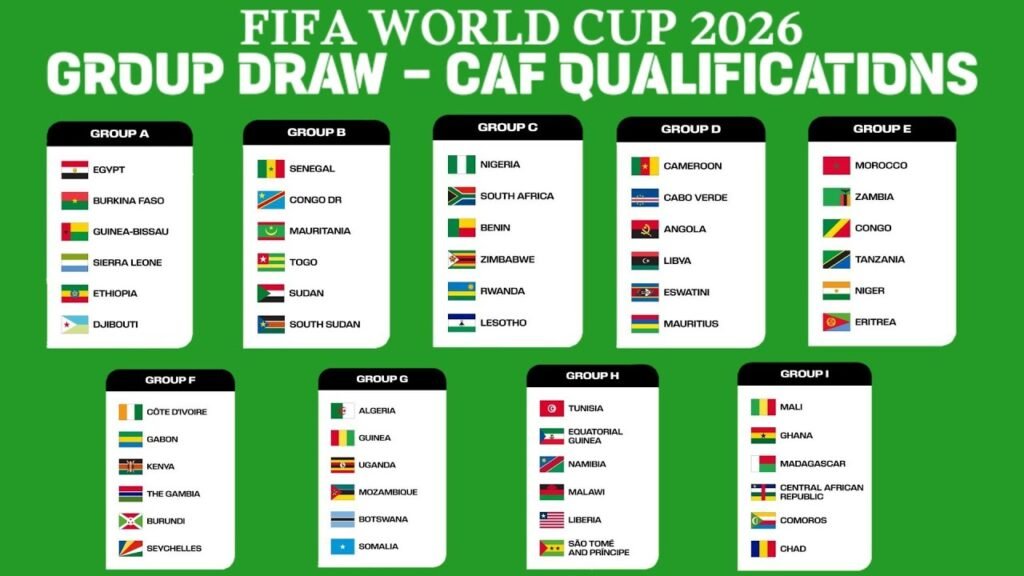
fifa world cup 2026 group
The New 48-Team Format Explained
The 48-team expansion is the biggest structural change in FIFA World Cup history. For decades, fans were used to 32 teams spread across eight groups. However, the football world is entering a new era because the 2026 edition introduces 12 groups, each consisting of four teams. This adjustment aims to provide greater global representation and give rising football nations more opportunities to compete at the highest level.
Previously, only 16 teams qualified for the knockout round, but now 32 teams will reach the Round of 32. As a result, more matches will be played, and fans will enjoy an extended tournament with more drama and excitement. Furthermore, this new grouping system ensures that even smaller nations have a fighting chance to progress, making the competition more inclusive.
Why the Group Stage Matters More in 2026
Because of the new structure, the group stage carries greater importance compared to earlier editions. Each team will play three matches, but the number of competitors moving forward nearly doubles. This shift increases the chances for upsets and unexpected qualifications. Moreover, group performances will play a crucial role in determining momentum heading into the knockout rounds.
Every point becomes valuable, and even goal difference may decide whether a team progresses or gets eliminated. Consequently, the group stage will be more intense, strategic, and unpredictable. Coaches will have to plan carefully, and teams will need to maintain consistent performances from the very first whistle.
fifa world cup 2026 group
Projected Excitement Around FIFA World Cup 2026 Groups
While the official match schedule and final group draws will come closer to the tournament, football analysts and fans are already discussing potential “groups of death.” Given the number of powerhouse nations in modern football, several intense combinations are expected. Additionally, more teams from Asia, Africa, and North America have qualified, making the group stage more diverse than ever before.
Since each group has four teams, possible scenarios include groups where multiple world-class teams face each other early, creating massive global attention. This may lead to nail-biting matches that define the tone of the entire tournament. Therefore, the FIFA World Cup 2026 group discussions will remain a trending topic until the competition kicks off.
The Role of Host Nations in the Group Stage
The USA, Mexico, and Canada will all receive automatic qualification as hosts. Traditionally, host nations are placed in separate groups to avoid early clashes between them. Consequently, this structure increases fan engagement in each region and increases ticket demand. Moreover, the presence of three host nations, each with strong fan support, will influence the group stage atmosphere and the overall energy in the stadiums.
Mexico brings decades of World Cup hosting experience, Canada is entering with renewed football enthusiasm, and the USA offers world-class facilities along with a huge global fan base. Their group stage matches will draw millions of viewers worldwide and play a significant role in shaping tournament momentum.
How Teams Will Qualify for Knockouts
One of the most important elements of the new system is the qualification method. From each group, the top two teams will qualify, and then eight of the best third-place teams will also advance. Because of this, even a team that loses one or two matches may still have a pathway to the knockout stage if they manage to achieve a decent goal difference or secure enough points.
This structure adds layers of hope and pressure at the same time. Teams cannot afford to lose heavily because goal difference will become crucial. On the other hand, underdog nations will feel more motivated, knowing they still have a genuine chance to advance. As a result, every match in the FIFA World Cup 2026 group stage will carry strategic importance.
Balanced yet Competitive Group Formation
The tournament draw typically ensures that groups are balanced by seeding teams based on their FIFA rankings. Nevertheless, because of football’s unpredictability, some groups will naturally turn out far more competitive than others. For example, a group featuring Brazil, Germany, and a strong European side could become one of the toughest in World Cup history. Meanwhile, emerging teams from Africa or Asia may find themselves in groups that offer better chances to progress.
This mix of strong and developing football nations ensures that the World Cup remains unpredictable and thrilling. Additionally, fans often love watching smaller nations surprise giants, creating some of the tournament’s most memorable moments.
fifa world cup 2026 group
Impact on Global Football Development
The expanded group stage will accelerate football growth across continents. More teams will gain exposure to world-class competition, increasing motivation for domestic development programs. Furthermore, the international experience gained during the group stage will help younger players improve and inspire future generations.
Countries that usually struggle to qualify will now have greater opportunities. Consequently, this edition could produce new fan-favorite teams and introduce unexpected stars to the world.
Fan Experience and Global Excitement
The 2026 World Cup is designed to offer the most fan-friendly environment ever. Stadiums across North America are modern, comfortable, and capable of hosting massive crowds. This allows fans to enjoy group stage matches with enhanced viewing experiences. Additionally, hosting the tournament across three nations spreads the festival atmosphere and creates wider cultural participation.
As the group stage schedule progresses, global excitement will peak, especially as fans follow their teams’ progress through wins, draws, and dramatic finishes. With more matches and more teams involved, the World Cup spirit will reach new heights.
fifa world cup 2026 group
Conclusion
The FIFA World Cup 2026 group system introduces fresh excitement, a new format, and a larger global stage for football. With 48 teams, 12 groups, and more qualification opportunities, this World Cup promises to be one of the most competitive tournaments in history. As fans eagerly wait for the official group draw, discussions, predictions, and expectations continue to grow worldwide. Ultimately, the expanded format ensures more drama, more football, and more unforgettable moments for millions of fans across the globe.
Leave a Reply