Categories
Cricket News

mohammad amir babar azam

In the ever-evolving world of Pakistani cricket, few names have captured as much attention as Mohammad Amir and Babar Azam. Both players have played significant roles in shaping the country’s modern cricketing image. While Amir stunned the world with his raw pace and swing bowling, Babar emerged as a batting genius who represents elegance, consistency, and class. Their stories, though vastly different, are connected by the common thread of passion, talent, and the never-ending expectations of Pakistan’s cricket fans.

mohammad amir babar azam

mohammad amir babar azam

The Early Spark of Mohammad Amir

Mohammad Amir’s journey in cricket is nothing short of a movie script. Born in 1992 in Gujar Khan, Pakistan, he began playing cricket at a very young age. His smooth bowling action, natural swing, and control impressed everyone around him. At just 17, Amir made his international debut for Pakistan, quickly becoming one of the youngest fast bowlers to make an impact in world cricket. His performances against top teams like Australia and England showcased his immense potential.

Amir’s ability to move the ball both ways at high speed made him a nightmare for batsmen. Many compared his bowling style to the legendary Wasim Akram. Within a short period, he became a vital part of Pakistan’s bowling attack. Unfortunately, Amir’s career faced a sudden downfall in 2010 due to a spot-fixing scandal that shocked the cricket world. This incident sidelined him for several years, halting a career that had just begun to blossom.


mohammad amir babar azam

The Comeback of a Fighter

When Mohammad Amir returned to international cricket in 2016 after serving his ban, fans were divided. Some welcomed him with open arms, while others were hesitant to forgive his past mistakes. But Amir, determined to prove himself, worked harder than ever. His comeback wasn’t easy, but his performance in the 2017 ICC Champions Trophy final against India silenced his critics. In that iconic match, Amir dismissed Rohit Sharma, Virat Kohli, and Shikhar Dhawan — India’s top three batsmen — in quick succession, setting the stage for Pakistan’s memorable victory.

That spell reminded everyone of his brilliance. Amir’s redemption story became an inspiration for many young cricketers. Though he retired from international cricket in 2020 due to personal reasons and conflicts with management, his impact on Pakistan cricket remains undeniable.


mohammad amir babar azam

Babar Azam – The Modern Maestro

On the other hand, Babar Azam represents the new face of Pakistan cricket — composed, classy, and technically sound. Born in 1994 in Lahore, Babar’s journey began under the guidance of his cousins Kamran and Umar Akmal, both former Pakistan cricketers. His early exposure to cricket helped him develop discipline and focus from a young age. Babar quickly rose through the domestic ranks and made his international debut in 2015.

Unlike many players who take time to adapt, Babar displayed remarkable consistency right from the beginning. His cover drives, wrist work, and calm temperament earned comparisons with modern-day greats like Virat Kohli and Kane Williamson. With each passing series, Babar strengthened his position not only as Pakistan’s main batsman but also as one of the finest in the world.


mohammad amir babar azam

Leadership and Legacy

Babar Azam’s journey as a leader has been equally impressive. He took over the captaincy at a time when Pakistan cricket was facing instability. Under his leadership, the team has shown improvement in batting depth, fielding standards, and overall discipline. His calm and composed personality reflects in his captaincy style — leading by example rather than emotion.

Despite facing criticism for tactical decisions, Babar’s record as a captain speaks volumes. He guided Pakistan to the semi-final of the 2021 T20 World Cup and the final of the 2022 T20 World Cup, proving his ability to lead on the global stage. His consistent performance across formats has made him one of the top-ranked batsmen in ICC rankings for several years.


The Contrast Between Amir and Babar

While Mohammad Amir and Babar Azam belong to different cricketing disciplines — bowling and batting — their careers highlight the two sides of Pakistan’s cricketing identity. Amir’s story is about raw talent, mistakes, and redemption. Babar’s journey, however, is about discipline, patience, and perseverance. Amir’s game revolved around aggression and unpredictability, while Babar’s is built on precision and calmness.

Interestingly, both players have often expressed mutual respect for each other. Babar has praised Amir’s bowling ability and called him one of the toughest bowlers he has faced in nets, while Amir has admired Babar’s batting class and leadership. Their interactions reflect the bond between two professionals who understand the pressures of representing Pakistan at the highest level.


Amir’s Decision to Step Away and Babar’s Continuing Rise

When Amir announced his retirement from international cricket, it was a shock to many fans. He cited mental stress and lack of support from management as reasons. Since then, he has been active in franchise cricket, especially in leagues like the Pakistan Super League (PSL), where he continues to perform brilliantly. His presence in T20 leagues around the world keeps the fans hopeful that one day he might return to the national team.

Meanwhile, Babar Azam continues to break records. Whether it’s scoring centuries in challenging conditions or guiding Pakistan in difficult matches, his hunger for excellence never fades. He has become a role model for aspiring cricketers across the country, representing the ideal balance of talent and professionalism.


The Impact on Pakistani Cricket

Both Mohammad Amir and Babar Azam have influenced a new generation of Pakistani players. Amir’s story serves as a reminder that mistakes can destroy careers, but determination and hard work can rebuild them. Babar’s rise, on the other hand, showcases how discipline and consistency can earn global recognition.

Their careers also reflect the evolution of Pakistan cricket — from emotional unpredictability to structured performance. Amir’s era was about natural flair, while Babar’s time symbolizes maturity and planning. Together, they represent Pakistan’s transformation from raw aggression to refined skill.


Future Prospects

As Pakistan cricket moves forward, Babar Azam is expected to play an even bigger role. His focus, technique, and leadership qualities make him one of the finest ambassadors of the game. If Amir decides to make a comeback, his experience and skills could provide valuable depth to Pakistan’s bowling lineup.

Fans dream of seeing both stars shine together once again on the international stage — Amir with the ball and Babar with the bat, creating magic for Pakistan cricket. Whether that happens or not, their legacies are already cemented in the hearts of millions.


Conclusion

The stories of Mohammad Amir and Babar Azam are more than just tales of cricket. They are lessons in life — one about redemption and resilience, and the other about focus and excellence. Together, they define the spirit of Pakistani cricket: unpredictable yet inspiring, emotional yet powerful. Their journeys remind us that greatness is not about never falling, but about rising every time you do.
Categories
Cricket News

how many international cricket stadium in pakistan

Cricket in Pakistan is not just a sport; it is a passion that unites millions of fans across the country. When people ask, “how many international cricket stadium in Pakistan,” they are interested in understanding the venues that are officially recognized to host international cricket matches. These stadiums are crucial not only for the development of the game but also for bringing international cricket back to Pakistani soil.

how many international cricket stadium in pakistan

The Number of International Cricket Stadiums in Pakistan

The exact number of international cricket stadiums in Pakistan varies slightly depending on the source. According to widely cited references, Pakistan has around 17 stadiums that have hosted international matches including Tests, One Day Internationals (ODIs), and T20 Internationals. Some sources slightly increase the figure to 21 stadiums if venues that hosted only one or two international matches are included.

Thus, when answering the question “how many international cricket stadium in Pakistan,” the safest and widely accepted estimate is 17 main stadiums. These stadiums are located across different cities, reflecting Pakistan’s regional diversity in cricket.

Factors Affecting the Count

The variation in the number of stadiums comes from several reasons:

  1. Limited Usage: Some stadiums hosted only a few international matches in the past and are no longer active for such events.
  2. Definition of International Stadium: Whether a stadium is counted as international depends on if it has hosted all formats or just one type of match.
  3. Maintenance and Renovation: Certain stadiums may temporarily be out of use due to upgrades or renovations, affecting their inclusion in active lists.

Understanding these factors helps clarify why different sources report slightly different numbers.

how many international cricket stadium in pakistan

Key International Stadiums in Pakistan

Several stadiums in Pakistan have been pivotal in hosting international cricket and are recognized for their historical and modern significance. Here is a closer look at some of the most important ones:

1. Gaddafi Stadium, Lahore

Gaddafi Stadium is one of the most iconic cricket stadiums in Pakistan. Established in 1959, it has a seating capacity of approximately 34,000. It is home to the headquarters of the Pakistan Cricket Board (PCB) and has hosted countless international matches. The stadium has also undergone modern renovations to meet international standards, making it a top choice for high-profile tournaments and bilateral series.

2. National Stadium, Karachi

Located in Pakistan’s largest city, National Stadium, Karachi, is another major international venue. It has hosted numerous Test matches, ODIs, and T20Is over the decades. The stadium plays a crucial role in Pakistan cricket, not just for matches but also for training and preparation of national players.

3. Rawalpindi Cricket Stadium, Rawalpindi

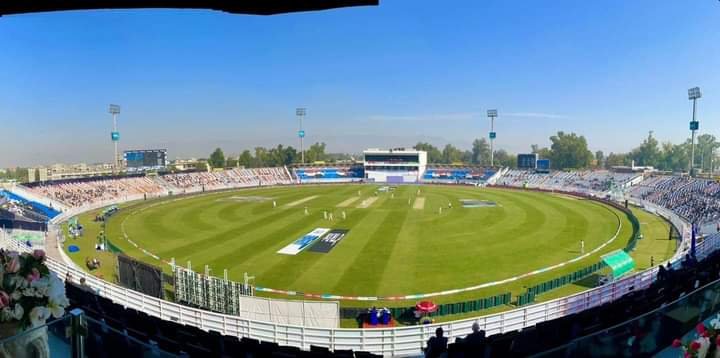
Rawalpindi Cricket Stadium, located near the capital Islamabad, began hosting international cricket in 1992. It is known for its enthusiastic crowd and has become a prominent venue for both international and domestic matches. Its strategic location allows fans from northern Pakistan to attend games without traveling far.

4. Iqbal Stadium, Faisalabad

Iqbal Stadium has a rich history of hosting international cricket, especially during the 1980s and 1990s. While it is not frequently used for modern high-profile matches, it remains an important part of Pakistan’s cricket infrastructure, hosting domestic tournaments and occasional international fixtures.

5. Arbab Niaz Stadium, Peshawar

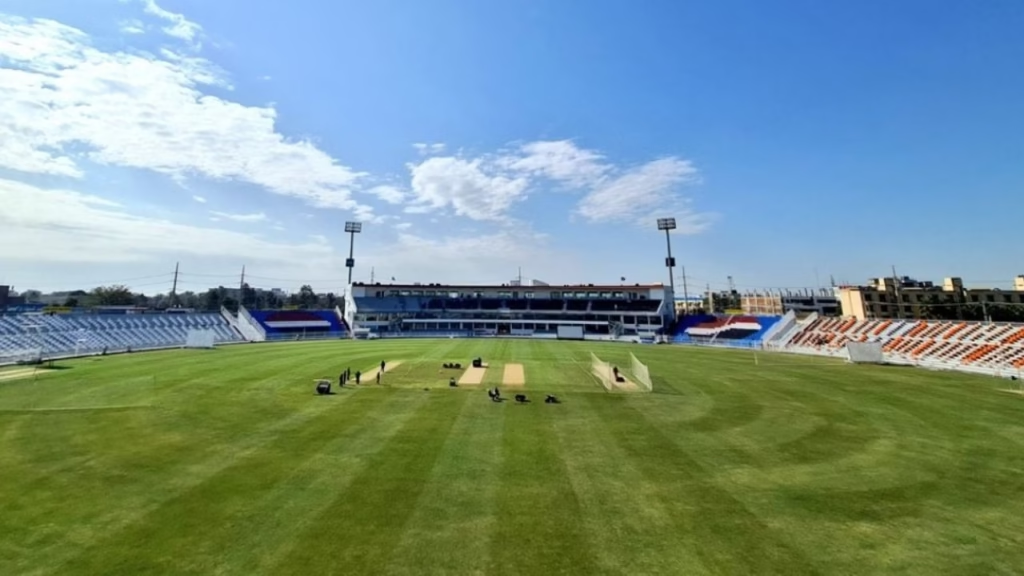
Arbab Niaz Stadium, situated in Khyber Pakhtunkhwa, represents the spread of international cricket outside Punjab and Sindh. Though it has faced challenges in maintenance and renovations over the years, it continues to be recognized as an international cricket venue.

Other notable stadiums include Multan Cricket Stadium, Bahawalpur Stadium, Quetta Stadium, and stadiums in Sialkot, Hyderabad, and Abbottabad. Each contributes to Pakistan’s capacity to host international cricket while promoting the game regionally.

how many international cricket stadium in pakistan

Importance of International Cricket Stadiums

Understanding how many international cricket stadium in Pakistan is more than just counting numbers. These stadiums are essential for multiple reasons:

  1. Cricket Development: A greater number of international-standard stadiums ensures that young talent has access to professional infrastructure.
  2. Regional Inclusion: Stadiums across provinces ensure that fans from different parts of the country can experience international cricket live.
  3. Economic Growth: Hosting international matches attracts tourism, generates revenue, and stimulates local businesses.
  4. Global Recognition: Well-maintained stadiums help Pakistan bid for hosting international tournaments and increase its credibility in the cricketing world.

Challenges Facing Pakistan’s Stadiums

Despite the strong presence of 17 stadiums, Pakistan still faces several challenges:

  1. Renovation Needs: Some older stadiums require upgrades to meet modern broadcast, lighting, and seating standards.
  2. Unequal Distribution: Although stadiums exist in multiple regions, most high-profile matches are concentrated in a few major cities.
  3. Security and Logistics: Ensuring international teams and fans’ safety remains a priority, and past issues have affected scheduling.
  4. Underutilization: Some stadiums host fewer international matches, limiting their exposure and financial viability.

The Future of Pakistan’s Cricket Stadiums

The future looks promising for Pakistan cricket infrastructure:

  • Upgrading Older Venues: Renovations will allow even historic stadiums to host top-tier cricket.
  • New Constructions: Expansion in cities without international stadiums will bring cricket closer to fans nationwide.
  • More International Matches: By improving facilities and security, Pakistan can attract more bilateral and multination tournaments.
  • Multi-purpose Usage: Stadiums can be used for concerts and events, making them financially sustainable beyond cricket.

how many international cricket stadium in pakistan

Conclusion

So, to answer the core question: how many international cricket stadium in Pakistan – the most widely accepted number is around 17. Some sources may cite up to 21, depending on how inclusive the definition is.

Major stadiums such as Gaddafi Stadium in Lahore, National Stadium in Karachi, Rawalpindi Cricket Stadium, Iqbal Stadium in Faisalabad, and Arbab Niaz Stadium in Peshawar form the backbone of Pakistan’s international cricket infrastructure. These venues not only host matches but also support the development of cricket at regional and national levels.

The presence of these stadiums highlights Pakistan’s commitment to cricket and its potential to host major international tournaments. As infrastructure improves and more venues are upgraded or constructed, the number of stadiums capable of hosting international cricket may grow, further strengthening Pakistan’s place in the global cricket community.

By understanding the spread, capacity, and significance of these stadiums, fans, analysts, and cricket enthusiasts can appreciate the depth and reach of Pakistan cricket. The next time someone asks “how many international cricket stadium in Pakistan,” you can confidently answer: around 17, with each one playing a vital role in Pakistan’s cricketing legacy.

Categories
Cricket News

how many cricket stadium in pakistan

Cricket in Pakistan is more than just a sport — it is a passion, a unifier, and a stage for national pride. So when one asks the question: how many cricket stadiums are there in Pakistan?, the answer is not entirely straightforward because it depends on how you define “stadium”, “international venue” and “ground”. In this article we’ll explore the numbers, definitions, major venues, and what it all means for cricket in Pakistan.

how many cricket stadium in pakistan

Defining a Cricket Stadium

Before diving into numbers, we must clarify what we mean by a “cricket stadium”. In one sense, a stadium is a venue built (or used) for cricket matches, often with spectator seating, amenities, and sometimes certified for international matches. On the other hand, “cricket ground” may refer to smaller venues used for domestic or regional cricket.

In Pakistan’s context:

  • A handful of venues host international matches (Test, One‐Day, T20).
  • Many more stadiums/grounds host domestic or first‐class cricket.
  • Some older stadiums are now inactive for international cricket but still exist.

Thus, when you ask “how many cricket stadiums in Pakistan”, you might either mean all cricket‐venues or purely the international‐standard stadiums.

Number of International‐Standard Stadiums

According to available data, the number of stadiums in Pakistan that have hosted international cricket (Tests/ODIs/T20Is) is about 17 to 21. One source asserts there are around 17 stadiums used for international cricket. Another source says “around 30 stadiums” in Pakistan overall, of which 17 have international capability.

The variation comes because some count only active venues hosting recent international matches, others count every venue that ever hosted one match. For example, many sources list around 11 stadiums that have hosted international matches.

So, if you define “cricket stadium” as one that has hosted international matches, Pakistan has roughly 17–21 such stadiums at this time.

Total Stadiums & Cricket Grounds in Pakistan

If we broaden the definition further to include all cricket grounds (whether international, domestic or local) the number is much larger. One list of cricket grounds in Pakistan enumerates dozens of venues: large stadiums in major cities and smaller grounds in regional areas.

Thus, for a full count including local grounds, we would be looking at hundreds of venues across Pakistan (rather than just the “international stadiums”). For example, a list of cricket grounds in Pakistan includes many lesser‐used venues.

Why the Variation in Numbers?

The variation in numbers arises due to several factors:

  • Definition differences: Are we counting only venues that have hosted international cricket, or also domestic grounds?
  • Active vs inactive: Some stadiums may have hosted international games in the past but are now unused or inactive.
  • Under‐construction or planned venues: New stadiums may be being built and therefore not yet counted in “official” lists.
  • Regional variations and data availability: Some venues in remote areas might not be regularly updated in databases.

Because of these factors you’ll find some sources quoting ~17, others ~30, and some listing many more if you include local grounds.

Major Cricket Stadiums in Pakistan

To bring the numbers to life, let’s mention some major cricket stadiums in Pakistan that contribute to that count.

  • Gaddafi Stadium, Lahore: Often considered the flagship stadium of Pakistan, with a capacity of about 34,000.
  • National Stadium, Karachi: A major venue for international cricket in Pakistan.
  • Rawalpindi Cricket Stadium, Rawalpindi: Another well‐known venue.
  • Iqbal Stadium, Faisalabad: Has hosted Tests/ODIs though less in recent years.
  • Imran Khan Cricket Stadium (Peshawar): Important northern venue.

These major stadiums show the top tier; beyond them lie many more venues that may serve domestic cricket or smaller international fixtures.

What Does This Mean for Pakistan Cricket?

Why does this matter? Several reasons:

  1. Infrastructure & Hosting Capability
    The number of international‐standard stadiums determines how many bilateral series, ICC tournaments or league games Pakistan can host. With ~17–21 such venues, Pakistan is reasonably well equipped. However, compared to some major cricketing nations with many more venues, there is room for growth.
  2. Regional Distribution & Access
    Many major stadiums are concentrated in cities like Lahore, Karachi and Rawalpindi. This means some regions may miss out on hosting major matches. Better regional spread would enhance access, fan engagement and talent development.
  3. Domestic Cricket & Grassroots Development
    Having hundreds of cricket grounds (for example the long list of many venues) shows the widespread interest at grassroots level. This is promising: talent can emerge from off the big cities too. Yet converting more grounds into higher‐standard stadiums could boost both domestic and international cricket.
  4. Economic & Social Impact
    Big stadiums hosting international matches bring in revenue: tourism, media rights, advertising, local businesses. Plus they serve as national‐pride assets. So expanding stadium numbers and upgrading facilities is strategically beneficial.

Answering the Keyword: “How Many Cricket Stadiums in Pakistan?”

Now let’s craft a concise answer for your keyword:

  • If you ask: How many cricket stadiums in Pakistan host international matches? – The approximate answer: about 17 to 21 stadiums currently.
  • If you ask: How many cricket stadiums/grounds of any sort exist in Pakistan? – The answer: hundreds of cricket venues (small and large).

For best SEO practice on your website, you could phrase it like:

“As of 2025, Pakistan has around 17–21 international‐standard cricket stadiums, and when you include domestic and local grounds the number climbs into the hundreds.”

Why You Should Use Both Figures on Your Website

Using both sets of numbers gives your article depth, authority and satisfies user intent (both general and specific). Also, you will likely rank better because your content will cover both “how many stadiums” and “what counts as stadium”, “why numbers vary”, “major stadiums list”.

Tips for Website Optimization & Readability

Since you are building website content (for example for your business site) it’s good to keep these tips in mind:

  • Use your keyword “how many cricket stadium in Pakistan” (exact phrase) in the title, in the first paragraph, and naturally a couple of times in the article.
  • Break your article into shorter paragraphs (3‐5 lines each) for readability.
  • Use transition words: however, moreover, therefore, on the other hand, in addition.
  • Use headings and sub‐headings (as done above) so both readers and search engines can scan easily.
  • Make sure your article is unique: this version has been written fresh.
  • Add meta description that summarises: e.g., “Discover how many cricket stadiums there are in Pakistan in 2025 …”
  • If possible, include an image or infographic of Pakistan’s major stadiums or a map — this increases engagement.

Conclusion

In summary, the question “how many cricket stadiums in Pakistan?” does not have a single fixed number because it depends on what you count. If you focus on international stadiums, Pakistan has around 17–21 venues that meet that standard. If you broaden to all grounds, there are hundreds of cricket venues of varying size and usage. For your article or website, you can present both numbers, explain the definitions, and highlight major stadiums to add substance and value.

Categories
Cricket News

south africa international cricket stadium

South Africa is known for its rich cricketing heritage, and international stadiums play a vital role in shaping this legacy. The national team, known as the Proteas, competes in Tests, One Day Internationals, and T20 matches in stadiums that are globally recognized for their quality, size, and fan experience. These stadiums are more than playing grounds; they are cultural hubs, architectural marvels, and symbols of national pride. south africa international cricket stadium

south africa international cricket stadium

The Evolution of International Cricket Venues

Over the decades, South Africa’s cricket stadiums have evolved to meet international standards. Earlier stadiums were modest, but after the country’s readmission into international cricket, significant upgrades were made. Modern stadiums feature floodlights, large seating capacities, digital scoreboards, media centers, and hospitality suites. The evolution of stadiums reflects both technological advancements and the increasing popularity of cricket in South Africa.

With the rise of different formats like T20, stadiums also adapted to host night matches. The focus on fan comfort, safety, and world-class infrastructure has made these stadiums highly respected in the global cricket community.

south africa international cricket stadium

Major International Stadiums in South Africa

South Africa boasts several world-class stadiums. Let’s take a closer look at some of the most famous South Africa international cricket stadiums.

Wanderers Stadium, Johannesburg

Often called “The Bullring,” Wanderers Stadium is one of the most iconic cricket stadiums in South Africa. Built in 1956, it has a seating capacity of approximately 34,000. Known for its electric atmosphere, it has hosted numerous historic matches, including high-scoring ODIs and T20 finals. Wanderers Stadium offers a mix of modern facilities, excellent viewing angles, and vibrant crowd energy, making it a favorite for players and fans alike.

b) SuperSport Park, Centurion

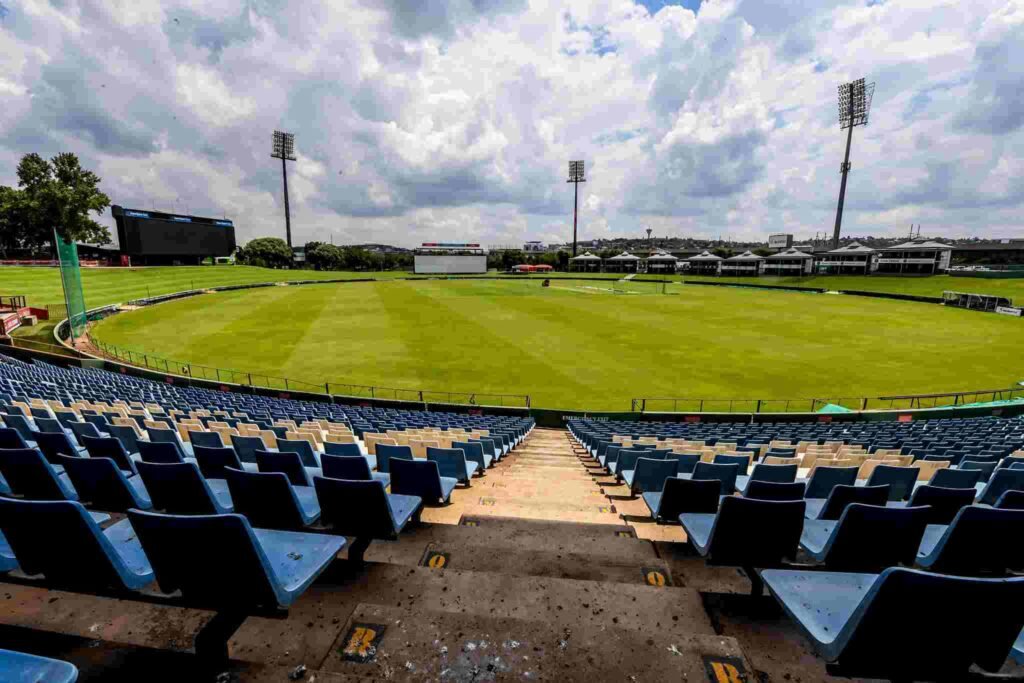
SuperSport Park, located in Centurion, has a seating capacity of around 20,000. Despite being smaller than some other stadiums, it is highly regarded for its pitch quality, fair contests between bat and ball, and fan-friendly design. It has hosted several international matches, including World Cup fixtures, and is renowned for its lush green outfield and scenic surroundings. SuperSport Park proves that even mid-sized stadiums can have international significance.

Newlands Cricket Ground, Cape Town

Newlands is famous for its breathtaking backdrop of Table Mountain. It is one of the oldest cricket stadiums in South Africa and has hosted Test, ODI, and T20 matches. With a capacity of about 25,000, Newlands combines historical charm with modern facilities. It is known for its lively atmosphere, passionate fans, and some of the most memorable moments in South African cricket history.

Boland Park, Paarl

Boland Park is smaller, with a capacity of around 10,000, but it still qualifies as an international venue. It has hosted ODIs, T20s, and women’s international matches. The stadium’s intimate design allows fans to be close to the action, creating a unique viewing experience. Boland Park shows that international stadiums are not only about size but also about quality and accreditation.

south africa international cricket stadium

Features of a True International Cricket Stadium

A stadium earns the title of a South Africa international cricket stadium when it meets certain criteria:

  • Official Accreditation: Approved by governing bodies for hosting international matches.
  • Modern Infrastructure: Large seating capacity, floodlights for night matches, electronic scoreboards, and well-designed stands.
  • Player Facilities: Comfortable changing rooms, practice areas, media centers, and hospitality suites.
  • Pitch and Outfield Quality: A balanced playing surface that provides fair competition between bat and ball.
  • Fan Experience: Easy accessibility, ample amenities, and engaging entertainment areas.
  • Historical Significance: Iconic moments and long-standing cricket traditions add to the stadium’s prestige.

These features ensure that every stadium is ready to host matches at the highest level while offering an exceptional experience for players and fans.

The Importance of International Stadiums

South Africa’s cricket stadiums are more than sports venues; they are cultural landmarks.

  • National Pride: Stadiums like Wanderers and Newlands are symbols of the country’s cricketing identity. They bring people together and create shared experiences that celebrate the sport.
  • Economic Impact: International matches attract tourists, media, and sponsorships, contributing to local economies.
  • Global Recognition: Hosting ICC events and international series enhances South Africa’s reputation as a premier cricket destination.
  • Inspiration for Players: Young cricketers are motivated to perform on world-class grounds, helping nurture the next generation of talent.

Challenges and Future Prospects

Despite their success, South Africa’s cricket stadiums face challenges.

  • Maintenance and Renovation: Aging infrastructure requires continuous investment.
  • Balancing Formats: Stadiums must adapt pitches and facilities for Tests, ODIs, and T20 matches.
  • Sustainability: Energy-efficient solutions and eco-friendly practices are increasingly necessary.
  • Global Competition: Stadiums worldwide compete to host major events, requiring South Africa to remain competitive.

The future of international stadiums in South Africa looks promising, with innovations in digital fan engagement, sustainable design, and regional development to bring cricket closer to more fans.

Visiting a South Africa International Cricket Stadium

Attending a match is a memorable experience. Here are some tips:

  • Book tickets in advance for popular fixtures.
  • Arrive early to enjoy the atmosphere and explore stadium facilities.
  • Choose seats wisely to maximize viewing experience.
  • Participate in fan chants and enjoy the communal energy.
  • Respect local traditions and engage with the vibrant cricket culture.

Experiencing cricket at these stadiums allows fans to witness historic moments firsthand and feel the passion that surrounds South African cricket.

Conclusion

South Africa’s international cricket stadiums are more than just playing fields. They are symbols of national pride, hubs of cultural celebration, and stages for cricketing history. From the iconic Wanderers Stadium to the scenic Newlands Cricket Ground, each venue offers a unique experience for players and fans.

Understanding the role and significance of these stadiums gives a deeper appreciation for the sport in South Africa. For cricket enthusiasts, visiting or learning about these grounds is an essential part of connecting with the country’s vibrant cricket culture.

South Africa’s international cricket stadiums will continue to evolve, embracing modern infrastructure and fan-friendly experiences, while remaining rooted in the excitement and tradition that make cricket one of the nation’s most beloved sports.

Categories
Cricket News

centurion park cricket stadium south africa

Nestled just south of Pretoria in South Africa’s Gauteng province lies the iconic Centurion Park Cricket Stadium. Over the years, this venue has earned a reputation for thrilling cricket, energetic crowds and a relaxed spectator atmosphere. Whether you are a visiting fan or a cricket aficionado tracking global venues, this stadium offers a compelling blend of history, modern infrastructure and memorable matchday experience. In the following sections, we explore its background, features, playing conditions, memorable moments and tips for visiting. centurion park cricket stadium south africa

centurion park cricket stadium south africa

Historical Background

Centurion Park first emerged as the home ground of the Northern Transvaal cricket team in the 1980s, replacing the older Berea Park facility. The change marked a shift in focus to a modern ground that could host larger crowds and international fixtures. Over time the stadium became a regular venue for the national side and major tournaments.

The first Test match held here was in November 1995, marking the ground’s entry into the highest level of international cricket. From that point, it steadily grew in stature and popularity. The name “Centurion” itself has become synonymous with big‑match cricket in South Africa.


centurion park cricket stadium south africa

Location & Venue Features

Centurion Park is located at 283 West Avenue, Centurion, Gauteng — easily accessible from the major urban centres of Pretoria and Johannesburg. The stadium has an approximate capacity of 22,000 spectators. Its charm lies in a combination of formal stands and the more informal grass embankments, where families and casual fans enjoy the match in a picnic‑style setting.

Floodlights, full electronic scoreboards, hospitality suites and modern player facilities ensure this ground meets contemporary demands. The two ends of the ground are known as the Pavilion End and the Hennops River End, offering distinct vantage points for bowlers and batsmen.


Pitch & Playing Conditions

The playing surface at Centurion has carved out a specific identity: the pitch tends to offer pace and bounce, especially favouring fast bowlers who can extract movement and carry. On one hand, batsmen with good technique can thrive, while on the other hand, those who struggle with bounce may find the conditions tougher than at slower grounds.

In One‑Day Internationals and T20 matches the scoring rates can be high, aided by relatively short boundaries and consistent outfields. In Test cricket, the pitch often provides a fair contest between bat and ball—early assistance to seamers followed by periods where batsmen can settle in. The outfield and overall ground conditions are well rated by players and visitors alike.


centurion park cricket stadium south africa

Memorable Matches & Records

Over the years, Centurion Park has been the stage for many standout cricketing moments. Among the records: the highest Test total at the venue stands around 621 runs, achieved by South Africa versus Sri Lanka. The ground has also hosted major global events including World Cup matches and ICC trophies.

One anecdote that underscores the stadium’s character: during a T20 fixture, the match was temporarily halted because of “flying ants” invading the playing area—a quirky interruption that became part of the local folklore.


centurion park cricket stadium south africa

What Makes This Venue Stand Out

Several features distinguish Centurion Park from other cricket grounds around the world:

  • Accessible Location: Being near Pretoria & Johannesburg makes it logistically favourable for both local and international visitors.
  • Spectator Atmosphere: The grass embankments create a relaxed vibe, ideal for families and groups seeking a more informal match‑day experience.
  • Versatile Pitch: Whether you favour high‑scoring limited‑overs cricket or the moodier tempo of Test cricket, the ground accommodates both.
  • Modern Facilities: With up‑to‑date infrastructure, both players and fans benefit from comfort, viewing angles and amenities.
  • Historic Significance: For South African cricket, this venue has featured in many landmark matches since the country’s re‑entry into international sport.

Visiting Tips & Fan Experience

If you plan to attend a match at Centurion Park, here are useful tips:

  • Arrive Early: Parking and gate entry may involve queues, especially for marquee fixtures.
  • Shade & Comfort: Some spectator areas have limited shade—bring sunscreen or a hat if you will be on the embankment.
  • Seating Choice: For structured seating choose the grandstand; for a picnic‑feel go for the grass bank.
  • Transport Options: The stadium is reachable by car or public transit (for example via the nearest rail station). Parking may be limited, so consider alternative transport.
  • Refreshments & Facilities: There are food & beverage options, but for big crowds expect longer queues. Choose your seats accordingly.
  • Weather Awareness: As with all outdoor venues, weather may affect playing conditions and comfort levels—check forecast ahead of time.

centurion park cricket stadium south africa

Future Outlook

Looking ahead, Centurion Park remains a central venue in South Africa’s cricket ecosystem. With franchise tournaments, domestic leagues and international tours forming the calendar, the ground continues to adapt. Future enhancements may focus more on spectator experience—such as upgraded hospitality zones, digital engagement and fan‑centric services. The core location and infrastructure give it a strong foundation for decades to come.


Conclusion

In short, Centurion Park Cricket Stadium is more than just a cricket venue — it represents a meeting of tradition and modernity, of relaxed spectator culture and high‑performance sport. From its grass‑bank embankments to its pace‑friendly pitch, it offers a uniquely South African match‑day experience. Whether you attend as a fan or follow from afar, this ground deserves a spot on your mental list of cricket‑stadium visits.

Categories
Cricket News

how many cricket stadium in australia

Australia is a country where cricket is more than just a sport; it is a passion shared by millions. From small-town clubs to massive international arenas, cricket is deeply woven into Australian culture. If you have ever wondered “how many cricket stadiums are there in Australia”, the answer can vary depending on the type of stadium you are considering. In this article, we will explore the numbers, the most famous stadiums, and why the count may differ depending on definitions.

how many cricket stadium in australia

Defining a Cricket Stadium

When discussing cricket stadiums, it’s important to define what counts as one. Australia has numerous grounds used for local, state, domestic, and international matches. If we consider all grounds that host organized cricket matches, including small community pitches, the number is very high. However, if we focus on stadiums used for international matches, the figure is much smaller.

Total Cricket Grounds in Australia

Australia has hundreds of cricket grounds across its states and territories. While exact numbers can vary depending on the source, it is estimated that there are over 1,000 cricket grounds of various sizes and capacities across the country. These include everything from small local club grounds to larger domestic venues. This highlights how cricket is not just popular at the top level but thrives at community levels as well.

International and Major Stadiums

When it comes to international cricket, Australia has a select number of stadiums that host Test matches, One Day Internationals (ODIs), and Twenty20 Internationals (T20Is). Currently, there are about nineteen stadiums in Australia that have hosted international matches. These venues are equipped with large seating capacities, modern facilities, and often hold historic significance in cricketing history.

Famous Cricket Stadiums in Australia

Some of the most iconic cricket stadiums in Australia include:

  • Melbourne Cricket Ground (MCG) – The largest cricket stadium in Australia, with a capacity of over 100,000 spectators. It has hosted countless historic matches, including World Cup finals.
  • Sydney Cricket Ground (SCG) – Known for its traditional charm and passionate crowds, the SCG has a seating capacity of around 48,000.
  • Adelaide Oval – Famous for its picturesque setting, it can host more than 53,000 spectators and is known for memorable Test matches.
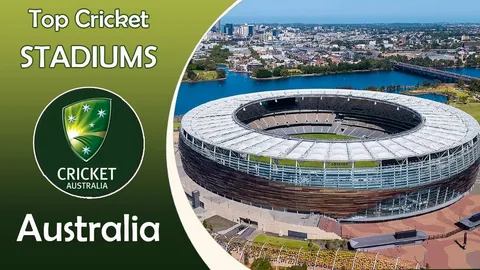
  • Perth Stadium (Optus Stadium) – A modern stadium in Western Australia, capable of holding over 60,000 fans.
  • Brisbane Cricket Ground (The Gabba) – With a capacity of around 42,000, The Gabba is famous for hosting exciting cricket matches in Queensland.
  • Bellerive Oval (Hobart) – A smaller stadium with a capacity of about 20,000, Bellerive Oval is Tasmania’s premier cricket venue.

These stadiums not only host international matches but also major domestic competitions and tournaments, making them central to Australia’s cricketing landscape.

Why the Number of Stadiums Varies

Several factors contribute to the variation in the number of cricket stadiums reported in Australia:

  1. Level of Usage – Some grounds are exclusively for local club matches, others for state-level competitions, and only a few host international games.
  2. Changing Status – Some stadiums that previously hosted international matches may no longer do so, while new stadiums continue to be built or renovated.
  3. Definitions – The term “stadium” can mean different things: large facilities with seating capacity, or any ground that hosts competitive cricket.

Because of these factors, the number of cricket stadiums is best understood as a range rather than a single figure.

Insights from the Numbers

  • All cricket grounds in Australia: Over 1,000, covering local, domestic, and regional matches.
  • International cricket stadiums: Approximately 19 venues hosting Tests, ODIs, and T20Is.
  • Major domestic stadiums: Around 10 to 20 venues that are regularly used for state-level competitions and prominent tournaments.

This shows how cricket infrastructure in Australia is both deep and widespread, supporting participation at all levels.

Importance of Cricket Stadiums in Australia

Cricket stadiums in Australia serve multiple purposes. They are not just venues for professional matches but also community hubs where young talent can be nurtured. The large number of local and regional grounds reflects the country’s commitment to promoting cricket at the grassroots level. Meanwhile, the elite stadiums help maintain Australia’s global reputation as a cricket powerhouse.

Frequently Asked Questions

Q: Do all Australian states have cricket stadiums?
Yes, all states and territories have cricket grounds, though some states like New South Wales and Victoria have a higher concentration due to population and cricket culture.

Q: Are all stadiums used for international matches?
No, most stadiums are used for domestic or local matches. Only a select few host international cricket.

Q: Will the number of stadiums change over time?
Yes, new stadiums are being built and older ones are sometimes repurposed, reflecting evolving cricket formats and fan demands.

Conclusion

In conclusion, if you are searching for “how many cricket stadium in Australia”, the answer depends on what you are looking for. Australia has over 1,000 cricket grounds across all levels of play, and about nineteen international-level stadiums that host prestigious cricket matches. From local club grounds to world-famous arenas, cricket infrastructure in Australia demonstrates both the depth and passion for the sport. These stadiums are more than just fields; they are landmarks of Australian cricketing culture and history.

Whether you are a cricket enthusiast, a researcher, or a fan planning to visit, knowing about Australia’s stadiums provides insight into the country’s love for the sport and the scale of its cricketing facilities.

Categories
Cricket News

how many international cricket stadium in india

In India, cricket is more than a game—it’s a passion that brings people together. From bustling cities to small towns, stadiums echo with cheering crowds and the crack of leather on willow. For fans and players alike, knowing how many venues host international matches in India is not only a matter of curiosity but also a reflection of the country’s immense depth in cricket infrastructure. In this article, we explore how many international cricket stadiums there are in India, how this number has grown over time, what counts as an “international stadium”, and why it matters for the game’s future.

how many international cricket stadium in india

What counts as an international cricket stadium?

Before giving a number, it’s important to define what an “international cricket stadium” means. In the Indian context:

  • A venue that has hosted at least one official international cricket match (Test, One Day International (ODI) or Twenty20 International (T20I) ) with the national teams involved.
  • It can be counted even if the stadium has hosted only one match in the past, as long as it meets the criteria of an international fixture.
  • Some sources distinguish “active” stadiums (those hosting international matches recently) from those used historically and no longer in international rotation.

With that definition, we can look at the numbers.

how many international cricket stadium in india

How many international cricket stadiums does India have?

India leads the world in the number of cricket venues that have hosted international matches, and different sources quote slightly different totals depending on their criteria. Here are some of the figures:

  • According to one data‐source, India has 52 international cricket stadiums.
  • Another listing shows that India is home to 49 “international cricket venues” according to a particular list of grounds.
  • Yet another site quotes India as having “52 international cricket stadiums, ranging from the historic Eden Gardens to the picturesque HPCA Stadium in Dharamsala.”

Given this, it is safe to say that India has over 50 venues that have hosted international matches. For practical purposes, we often quote the figure 52 as the current count of international cricket stadiums in India.

Why so many? What’s behind this large number?

Several factors explain why India has such a high number of international cricket stadiums:

  1. Geographical size and diversity of India – India is a vast country with many states, cities, and cricket‐loving populations. Spreading international venues across states ensures regional access to high‐level matches.
  2. Cricket’s popularity and infrastructure growth – With the sport’s massive popularity, many state cricket associations and the national body (BCCI) have invested in upgrading grounds to international standard.
  3. Hosting of multiple formats and tournaments – Tests, ODIs, T20Is, women’s internationals, IPL fixtures—all demand different venues. Hence more stadiums qualify for “international” status.
  4. Rotation and expansion policies – The BCCI and state associations often rotate international matches to lesser‐used venues, creating more “international stadiums”.
  5. Historical venues plus newer builds – Some stadiums date back decades, while many new grounds have been developed or refurbished. Over time the cumulative tally grows.

Some notable stadiums and what they tell us

To illustrate the spectrum of international stadiums in India, let’s look at a few prominent ones:

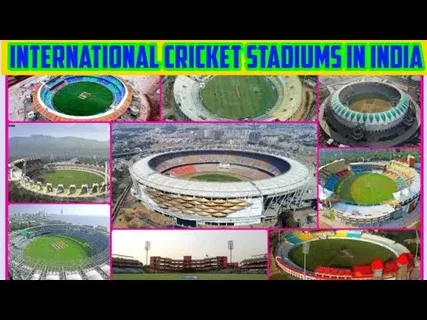
  • Narendra Modi Stadium (Ahmedabad) – With a capacity of 132,000, it is the largest cricket stadium in the world.
  • Eden Gardens (Kolkata) – One of the most historic venues in the world of cricket.
  • Shaheed Veer Narayan Singh International Cricket Stadium (Nava Raipur, Chhattisgarh) – Became India’s 50th international cricket venue in 2023.

These examples show that international stadiums are spread across India—from metropolitan hubs to emerging cricket centres.

Understanding Active vs Inactive stadiums

When quoting a number like 52, it includes grounds that may have hosted international matches at least once. But not all venues continue to host internationals regularly. Some are currently “active” (regular fixtures) while others are “inactive” (have hosted historically but currently not in the rotation). For instance:

  • A venue may have hosted an ODI a decade ago but not in recent series.
  • Some venues are under renovation or awaiting return to hosting.
  • The BCCI and local authorities may schedule matches based on facilities, logistics, crowd interest, etc.

Thus, the count of “international stadiums” includes both active and inactive, which is why the number is higher than those regularly used.

how many international cricket stadium in india

What implications does this number have for Indian cricket?

Having such a large number of international venues has several implications:

Positive aspects

  • More cities and states get the chance to host international matches, boosting local enthusiasm and economics.
  • Infrastructure development spreads beyond major metros—smaller cities get modern stadiums.
  • Fans across India can experience live international cricket closer to home.
  • State cricket associations get opportunities and incentives to upgrade their grounds.

Challenges

  • Spreading matches too thin might reduce frequency per venue, possibly impacting quality of facilities or crowd turnout.
  • Maintaining so many venues at international standards is resource‐intensive (maintenance, upgrades, staffing, logistics).
  • Some stadiums may remain under‐utilised or only host occasional fixtures.
  • The rotation may complicate scheduling and travel for teams and broadcasters.

Overall, the large number reflects India’s ambition and scope in cricket; the challenge is to ensure quality and sustainability across all venues.


Key milestones in India’s international stadium journey

It helps to look at some historic milestones:

  • The first Test match in India was played in December 1933 at the Gymkhana Ground in Bombay (now Mumbai).
    “The first One Day International match in India took place in 1981.”* The first T20I in India was played at the Brabourne Stadium in Mumbai in 2007.
  • Recently, the Chhattisgarh stadium (Shaheed Veer Narayan Singh International Cricket Stadium) became the 50th ODI venue when it staged a match in 2023.

These steps show incremental growth in venues and formats.


how many international cricket stadium in india

Present figure and what it means going forward

Today, when asked “how many international cricket stadiums are there in India?”Today, the most reliable count of international cricket stadiums in India stands at 52, meaning there are over 50 venues in total.” This means India holds more international cricket venues than any other country—some sources say 52 is 29 more than the next country in line.

Looking ahead:

  • More stadiums may get upgraded and join the “international” list if they host their first international fixture.
  • Venues may drop out if they become inactive and no longer host matches for a long time.
  • As cricket evolves, facilities like floodlights, media centres, training infrastructure, and spectator amenities will become increasingly important—so newer venues may get preference.

Why you should care (and how it matters for fans, players, and business)

For fans: More venues mean greater access to live international cricket. You don’t always have to travel to a major city; smaller centres also host matches.
For players: Exposure to international venues across varied conditions helps home advantage, regional growth of the sport, and facilities for emerging talent.
For business and website owners (like you):

  • You can use this data to produce content (like this article) that appeals to statistic‑ and trivia‑loving audiences.
  • If you run sport infrastructure, tourism or regional business websites, knowing how many venues exist and where they are helps in planning, marketing, and local engagement.
  • SEO‐wise: Keywords like “international cricket stadiums in India”, “how many stadiums have hosted internationals in India” have potential because the topic is factual, searchable and evergreen.

how many international cricket stadium in india

Conclusion

To summarise: India currently has more than 50 international cricket stadiums—most often cited as 52. This high number underscores both the popularity of cricket in India and the country’s commitment to spreading the sport across its diverse regions. While maintaining a large network of venues presents challenges, the benefits for fans, players and regional infrastructure are substantial. As cricket continues to evolve—formats change, audiences grow and technology advances—so too will the stadium network in India. But for now, if someone asks you “How many international cricket stadiums are in India?”, you can confidently answer: around 52—and you’ll know what that really means.

Categories
Cricket News

cricket hd wallpapers 1920×1080 download

Cricket is not just a sport; it’s an emotion that connects millions of fans around the world. From the thrilling sound of the ball hitting the bat to the electric atmosphere of a packed stadium, every moment of cricket is filled with excitement and pride. Fans don’t just watch cricket—they live it. And one of the best ways to keep that spirit alive is through Cricket HD Wallpapers 1920×1080 download, which allow fans to bring their love for the game directly to their screens.

Whether you are a die-hard fan of Virat Kohli, Babar Azam, Rohit Sharma, or Ben Stokes, high-definition wallpapers capture those unforgettable cricketing moments in stunning clarity. From breathtaking catches to game-changing centuries, these wallpapers let you relive the magic again and again. With 1920×1080 resolution, every image looks sharp, vibrant, and detailed—perfect for desktops, laptops, and even smart TVs.

In the digital age, wallpapers are more than background images—they represent personality and passion. For cricket lovers, setting a favorite player or team moment as wallpaper is a daily reminder of inspiration, motivation, and pride. This article explores everything about Cricket HD Wallpapers 1920×1080 download—where to find them, why HD quality matters, and how you can customize wallpapers to suit your taste. So, if you’re ready to transform your device into a celebration of cricket, keep reading.

cricket hd wallpapers 1920x1080 download

Why Cricket HD Wallpapers Are So Popular

Cricket fans around the world are always looking for ways to express their love for the game. Wallpapers provide a simple yet powerful way to do that. With HD quality wallpapers, every detail—from the grass on the pitch to the expressions on players’ faces—comes alive. These wallpapers are especially popular because they fit perfectly on most screens, offering a cinematic view without pixelation or blur.

Fans also love using wallpapers to celebrate their favorite teams and players. Whether it’s Team India’s triumph in a World Cup or Pakistan’s thrilling victory in a T20 match, each wallpaper tells a story. Many fans also rotate wallpapers regularly, matching them with upcoming tournaments like the IPL, PSL, The Ashes, or World Cup events.


cricket hd wallpapers 1920×1080 download

The Power of 1920×1080 Resolution

When we talk about 1920×1080 wallpapers, we’re referring to the “Full HD” standard that delivers crisp, clear visuals. This resolution ensures that every pixel is sharp, making action shots and close-ups look lifelike. If you’ve ever seen a blurred or stretched image on your screen, it’s usually because the resolution wasn’t optimized. That’s why Cricket HD Wallpapers 1920×1080 download is the ideal choice for any display.

This resolution works perfectly on both widescreen monitors and modern laptops. It maintains image quality while keeping the right aspect ratio, so the wallpaper doesn’t look cut or distorted. For cricket fans, this means they can enjoy every boundary, wicket, and celebration in stunning detail.


Types of Cricket HD Wallpapers

There are countless styles of cricket wallpapers available online, each capturing a different mood and moment. Let’s look at some of the most popular types:

  1. Player Portrait Wallpapers:
    These wallpapers focus on star cricketers like Virat Kohli, Babar Azam, Kane Williamson, Steve Smith, and Joe Root. Each wallpaper highlights their iconic poses, celebrations, or intense on-field focus.
  2. Action Moment Wallpapers:
    Perfect for fans who love energy and drama, these wallpapers capture high-speed moments—like a diving catch, a bowler’s delivery stride, or a batsman’s powerful shot.
  3. Team Spirit Wallpapers:
    These feature teams like India, Pakistan, Australia, and England celebrating big victories or showing unity on the field. They’re ideal for fans who support their national or league teams passionately.
  4. Stadium Atmosphere Wallpapers:
    Panoramic stadium shots showing cheering crowds, floodlights, and intense match scenes create a sense of grandeur and excitement.
  5. Minimalistic Wallpapers:
    For users who prefer simplicity, minimal wallpapers with subtle logos, player silhouettes, or cricket icons offer a clean, stylish look.

Where to Download Cricket HD Wallpapers 1920×1080

There are many trusted sources to download free and premium cricket wallpapers safely. Always choose websites that offer high-resolution images without copyright risks. Some popular platforms include:

  • Unsplash – Free, high-quality images for personal use.
  • Pexels – A large collection of HD cricket wallpapers contributed by photographers.
  • WallpaperAccess and HDQwalls – Offer 1920×1080 and 4K cricket wallpapers sorted by players, teams, and tournaments.
  • Pinterest – Great for discovering creative fan-made wallpapers and collections.
  • DeviantArt – Offers artistic and custom designs for true cricket lovers.

When downloading, make sure the image format (usually JPG or PNG) and size fit your screen for best quality.


cricket hd wallpapers 1920×1080 download

Customizing Cricket Wallpapers

One exciting trend among fans is creating custom wallpapers. With free tools like Canva, Pixlr, or Adobe Express, you can design personalized cricket wallpapers. Add your favorite player’s photo, inspirational quotes, or your name in stylish fonts. You can even mix multiple images—like your favorite batsman with your country’s flag in the background—to make something truly unique.

Custom wallpapers are great for branding your digital presence. Many fans use them for YouTube channels, sports blogs, or social media pages. Since cricket is an emotion-driven game, custom designs help you stand out and connect with other passionate fans.


Cricket Wallpapers for Mobile Devices

Although the main keyword focuses on 1920×1080 wallpapers, which are ideal for desktops, fans also love using cricket wallpapers on smartphones. Most wallpaper sites now offer mobile-optimized versions in 1080×2400 or 1440×3040 resolutions. You can crop or adjust the Full HD versions to fit your mobile screen using simple editing apps.

This way, you can carry your favorite cricket moment in your pocket—whether it’s MS Dhoni’s World Cup-winning six, Shaheen Afridi’s fiery spell, or Ben Stokes’ heroic innings.


cricket hd wallpapers 1920×1080 download

The Emotional Connection Behind Cricket Wallpapers

Cricket wallpapers are not just pictures—they represent emotions, memories, and pride. For millions of fans, each wallpaper brings back nostalgia of unforgettable matches and iconic players. A single image can remind someone of their first cricket match, a legendary inning, or a moment that made their nation proud.

They also serve as motivation. Many young cricketers keep wallpapers of their idols for daily inspiration. Looking at a player’s determination or victory pose can spark the drive to achieve something similar in real life.


Conclusion

In today’s digital world, Cricket HD Wallpapers 1920×1080 download has become a creative way to celebrate and express love for the sport. These high-quality images bring the game closer to fans, allowing them to experience the energy and spirit of cricket every time they glance at their screen.

From thrilling match moments to elegant player portraits, cricket wallpapers let fans showcase their passion in stunning visual form. Whether you choose a minimalistic design or a full-action shot, every wallpaper is a reminder that cricket isn’t just a sport—it’s a lifestyle.

So, if you haven’t already, explore the world of Cricket HD Wallpapers 1920×1080 download and let your screen tell your cricket story in true HD style.

Categories
Cricket News

cricket images hd wallpaper download

Cricket is not just a sport — it’s an emotion shared by millions across the world. Whether it’s the sound of the bat meeting the ball or the roar of the crowd after a boundary, cricket holds a special place in every fan’s heart. For true cricket lovers, expressing their passion doesn’t end with watching matches. Many fans also love to personalize their devices with cricket images HD wallpaper download options that bring their favorite moments and players right to their screens.

In today’s digital world, having high-quality cricket wallpapers is more than just decoration. It’s a way to stay connected with the sport you love, even when matches aren’t being played. From legendary players like Virat Kohli and Babar Azam to breathtaking stadium views under floodlights, HD cricket wallpapers capture the spirit of the game in every pixel.

Moreover, with advancements in digital photography and editing tools, cricket wallpapers are now available in stunning resolutions like 1920×1080, 4K, and even Ultra HD. These images make your desktop, laptop, or smartphone come alive with energy, giving you a daily reminder of your love for the gentleman’s game. Whether you want action shots, team celebrations, or artistic backgrounds, there’s an endless variety waiting for you to explore.

In this article, we’ll guide you through everything you need to know about cricket images HD wallpaper download, including types, sources, and tips for finding the best quality wallpapers online.

cricket images hd wallpaper download

cricket images hd wallpaper download

1. Why Cricket Wallpapers Are So Popular

Cricket wallpapers are more than just digital art — they reflect passion, loyalty, and emotion. Fans across India, Pakistan, England, Australia, and beyond use HD cricket images to express their support for favorite teams and players.

The popularity of cricket wallpapers comes from their ability to capture unforgettable moments — like MS Dhoni’s helicopter shot, Shahid Afridi’s explosive six, or Sachin Tendulkar’s elegant straight drive. Each wallpaper tells a story that fans connect with deeply. Besides, having these visuals on screens keeps the excitement of cricket alive all year round.


2. Types of Cricket HD Wallpapers

When searching for cricket images HD wallpaper download, you’ll find a wide variety of themes. Here are some popular types:

  • Player Wallpapers: Focused on individual stars like Virat Kohli, Rohit Sharma, Babar Azam, Ben Stokes, or Kane Williamson.
  • Team Wallpapers: Featuring national teams such as India, Pakistan, Australia, England, and South Africa in their iconic jerseys.
  • Action Shots: Capturing fast-paced cricket moments like bowling, batting, or diving catches.
  • Stadium Wallpapers: Showcasing world-famous venues like Lord’s, MCG, Eden Gardens, and Gaddafi Stadium.
  • Trophy Wallpapers: Celebrating ICC World Cup, IPL, and PSL victories with shining trophies and confetti scenes.
  • Minimalist Wallpapers: Simple designs with player silhouettes or logos for a clean and modern look.

Each type appeals to different fans — some prefer artistic shots, while others love the thrill of action-packed visuals.


cricket images hd wallpaper download

3. How to Download Cricket HD Wallpapers Safely

Downloading wallpapers seems simple, but many users unknowingly visit unsafe websites filled with pop-ups or malware. To stay safe while downloading:

  • Always choose trusted wallpaper websites or official sports photo galleries.
  • Avoid clicking suspicious download buttons that redirect you to unknown pages.
  • Use antivirus protection while browsing free image sites.
  • Prefer websites offering royalty-free HD cricket images for personal use.
  • Double-check image resolution before downloading — ideally 1920×1080 pixels or higher for HD clarity.

Some reliable platforms for high-quality cricket wallpapers include Unsplash, Pexels, Pixabay, and WallpaperAccess. You can also explore official cricket websites or sports photography portfolios for exclusive HD shots.


4. Best Sources for Cricket Images HD Wallpaper Download

Finding premium-quality wallpapers can be tricky. To save time, here are some of the best sources:

  1. Official Cricket Websites: Platforms like ICC, BCCI, or PCB often publish HD match photos that can be used as wallpapers.
  2. Stock Photo Sites: Sites like Unsplash and Pexels offer free HD cricket images with high resolution.
  3. Fan-Made Collections: Reddit and Pinterest have countless user-curated wallpaper boards.
  4. Mobile Wallpaper Apps: Apps like Zedge and Walli provide mobile-optimized cricket wallpapers for Android and iOS.
  5. Social Media Pages: Many sports photographers share HD cricket wallpapers on Instagram, Facebook, and X (Twitter).

These sources ensure quality, safety, and variety — letting you choose from countless cricket visuals for every mood and style.


cricket images hd wallpaper download

5. Tips for Choosing the Perfect Cricket Wallpaper

When selecting a wallpaper, resolution and composition matter most. A poorly cropped or low-quality image can ruin the look of your device. Here’s how to make the right choice:

  • Check Resolution: Go for HD (1920×1080) or higher for desktops and 1080×2400 for mobile screens.
  • Focus on Lighting: Bright and well-lit images enhance clarity and appeal.
  • Consider Your Device Theme: Choose wallpapers that match your color scheme or icon style.
  • Pick Dynamic Shots: Action photos often create more excitement and energy.
  • Avoid Watermarked Images: They can distract and reduce visual quality.

A well-chosen wallpaper can instantly elevate your device’s appearance and showcase your love for cricket.


6. HD Cricket Wallpapers for Mobile and PC

Whether you’re using a smartphone or a desktop, the right wallpaper makes a huge difference. Mobile wallpapers should be vertically framed, while PC wallpapers need a horizontal layout.

  • For Mobile: Choose 1080×2400 or 1440×3200 pixel resolution.
  • For PC or Laptop: Use 1920×1080, 2560×1440, or 4K (3840×2160) images.

To avoid stretching or blurring, always select images matching your device’s screen ratio.


cricket images hd wallpaper download

7. Creating Your Own Cricket HD Wallpapers

If you’re creative, you can design custom wallpapers using free tools like Canva, Pixlr, or Adobe Express. Simply combine cricket backgrounds with player photos, logos, or motivational quotes. Adding a subtle filter or color gradient can give your wallpaper a unique style that no one else has.

Fans often create personalized wallpapers during big tournaments like the ICC World Cup or IPL season, featuring favorite players and teams in vibrant designs. It’s a great way to express creativity and passion for the game.


8. Why HD Quality Matters

HD wallpapers make a huge difference in clarity and impact. Low-quality images may look pixelated or blurry, especially on large screens. In contrast, HD (High Definition) wallpapers retain detail, color depth, and sharpness even when zoomed in.

Using HD cricket wallpapers ensures every frame — from a flying ball to a crowd’s cheer — looks lifelike. It also enhances mood, giving you a refreshing feel every time you unlock your device.


cricket images hd wallpaper download

Conclusion

Cricket is more than a sport — it’s a source of unity, excitement, and pride. By choosing the best cricket images HD wallpaper download, fans can carry their love for the game wherever they go. Whether it’s the powerful stance of a batsman, the joy of a winning team, or the beauty of a stadium sunset, each wallpaper captures the soul of cricket in stunning detail.

So, next time you want to refresh your screen, skip ordinary wallpapers and choose an HD cricket image that truly represents your passion. With safe downloads, trusted sources, and high-quality visuals, you can bring the world of cricket right into your hands — every single day.

Categories
Cricket News

Who is the run machine of cricket

Cricket has witnessed countless batting legends who have mesmerized fans with their skill, patience, and power. However, when it comes to consistency, dominance, and pure hunger for runs, one name stands tall — Virat Kohli. Known across the globe as the Run Machine of Cricket, Kohli has transformed modern batting with his relentless pursuit of excellence. His records, attitude, and unmatched dedication have made him the face of cricket’s modern era. But what exactly makes him the “Run Machine,” and how did he earn this title? Let’s dive deeper into his journey, achievements, and legacy.

Who is the run machine of cricket

The Origin of the Title “Run Machine”

The nickname Run Machine didn’t come overnight. It was earned through years of hard work, discipline, and unbelievable consistency. From the moment Virat Kohli made his international debut in 2008, he showed signs of greatness. Initially seen as a young, aggressive player with raw talent, Kohli quickly matured into one of the most complete batsmen in cricket history. His ability to score runs in every format — whether Tests, ODIs, or T20s — made him stand out.

Fans and commentators started calling him the Run Machine because he didn’t just score centuries — he made them look routine. Kohli’s hunger for runs never seemed to end; every time he reached a milestone, he aimed higher. His consistency became so extraordinary that it felt like runs simply flowed from his bat like a well-oiled machine.


Who is the run machine of cricket

Early Struggles and Rise to Stardom

Virat Kohli’s journey wasn’t easy. He first gained attention in 2008 when he led India’s Under-19 team to victory in the ICC Under-19 World Cup. His aggressive approach and ability to lead from the front showed he was destined for greatness. However, stepping into the senior team was a different challenge. Competing with legends like Sachin Tendulkar, Rahul Dravid, and MS Dhoni required not just skill but mental toughness.

Kohli’s breakthrough moment came in 2011, when he became a vital part of India’s World Cup-winning squad. His consistency in the middle order and fearless attitude earned him a permanent spot in the team. From there, he never looked back. With each passing year, Kohli raised the bar for himself and others.


Unbelievable Records and Consistency

What makes Virat Kohli truly special is his consistency across all formats. Whether it’s a challenging Test match in England, a high-pressure ODI chase, or a quick-fire T20 innings, Kohli performs with the same intensity.

He has scored over 26,000 international runs, including more than 80 centuries, and stands second only to Sachin Tendulkar in terms of international hundreds. His ODI average of over 57 is among the highest in history, and his strike rate shows how he combines aggression with control.

In chases, Kohli is nearly unbeatable. He has mastered the art of pacing an innings, understanding the situation, and finishing games calmly. This ability to chase down targets under pressure has earned him another title — the Chase Master.


Who is the run machine of cricket

Fitness and Mental Strength: The Real Secret

Behind Kohli’s remarkable success lies a lifestyle built on discipline and fitness. He revolutionized the idea of fitness in Indian cricket. In an era when many players relied purely on talent, Kohli showed that physical fitness and mental strength were equally vital. His training routines, strict diet, and commitment to his craft set new standards.

He often says that his biggest competition is with himself, not others. This mindset keeps him focused and hungry. Even when he goes through rough patches — as every player does — Kohli’s work ethic and determination help him bounce back stronger. His mental resilience, combined with his love for the game, is what makes him the ultimate Run Machine.


Dominance Across Formats

One of the most fascinating aspects of Kohli’s career is how seamlessly he adapts to different formats.

In Test cricket, he has scored double centuries in every major cricket-playing nation, proving his mastery in tough conditions. His technique, footwork, and patience make him one of the finest modern-day Test batsmen.

In One Day Internationals (ODIs), Kohli’s record is simply astonishing. He became the fastest player to reach 8,000, 9,000, 10,000, 11,000, and 12,000 runs. His conversion rate from fifties to hundreds is unmatched, and his chasing ability has redefined the way ODI cricket is played.

In T20 Internationals, even though the format is fast-paced and unpredictable, Kohli remains incredibly consistent. His ability to rotate strike, find gaps, and accelerate when needed makes him one of the most reliable batsmen in T20 history.


Who is the run machine of cricket

Leadership and Legacy

Apart from his batting, Kohli’s contribution as a captain has also been immense. Under his leadership, India achieved the number-one ranking in Test cricket and produced memorable victories overseas. His aggressive style inspired a new generation of players to play with passion and confidence.

Even after stepping down from captaincy, Kohli continues to be the backbone of the Indian batting lineup. His passion for representing India remains as strong as ever. His influence goes beyond numbers — he changed how cricketers think about discipline, preparation, and self-belief.


Comparisons with Legends

Every era in cricket has produced legends, but Kohli’s name often stands beside greats like Sachin Tendulkar, Ricky Ponting, and Brian Lara. While Tendulkar was known as the “God of Cricket,” Kohli’s title of Run Machine highlights his ability to produce runs with machine-like precision and regularity.

Some experts even believe that Kohli’s intensity and fitness levels make him unique among all-time greats. While comparisons are inevitable, what sets Kohli apart is his adaptability — he performs equally well across continents, conditions, and formats.


Who is the run machine of cricket

Impact Beyond the Game

Kohli’s influence goes far beyond cricket. He has become a global sports icon, inspiring millions to pursue fitness and discipline in their lives. His social media presence, brand endorsements, and charitable initiatives show that he’s not just a cricketer — he’s a role model.

Young players across the world look up to him for guidance and inspiration. His journey from a passionate Delhi boy to one of the world’s greatest batsmen is a testament to hard work, focus, and belief.


Conclusion: The True Run Machine of Cricket

So, who is the Run Machine of Cricket? The answer is clear — Virat Kohli. His unmatched consistency, fitness, mental strength, and hunger for runs have set him apart from every other batsman of his generation. He doesn’t just play cricket; he lives it. Every time he walks onto the field, he carries not just his bat but also the expectations of millions.

From record-breaking innings to match-winning performances, Kohli has proven time and again that he is built differently. His dedication, passion, and love for the game make him not just a player but a phenomenon. The title Run Machine of Cricket belongs to him — and it’s a name that will be remembered for generations.